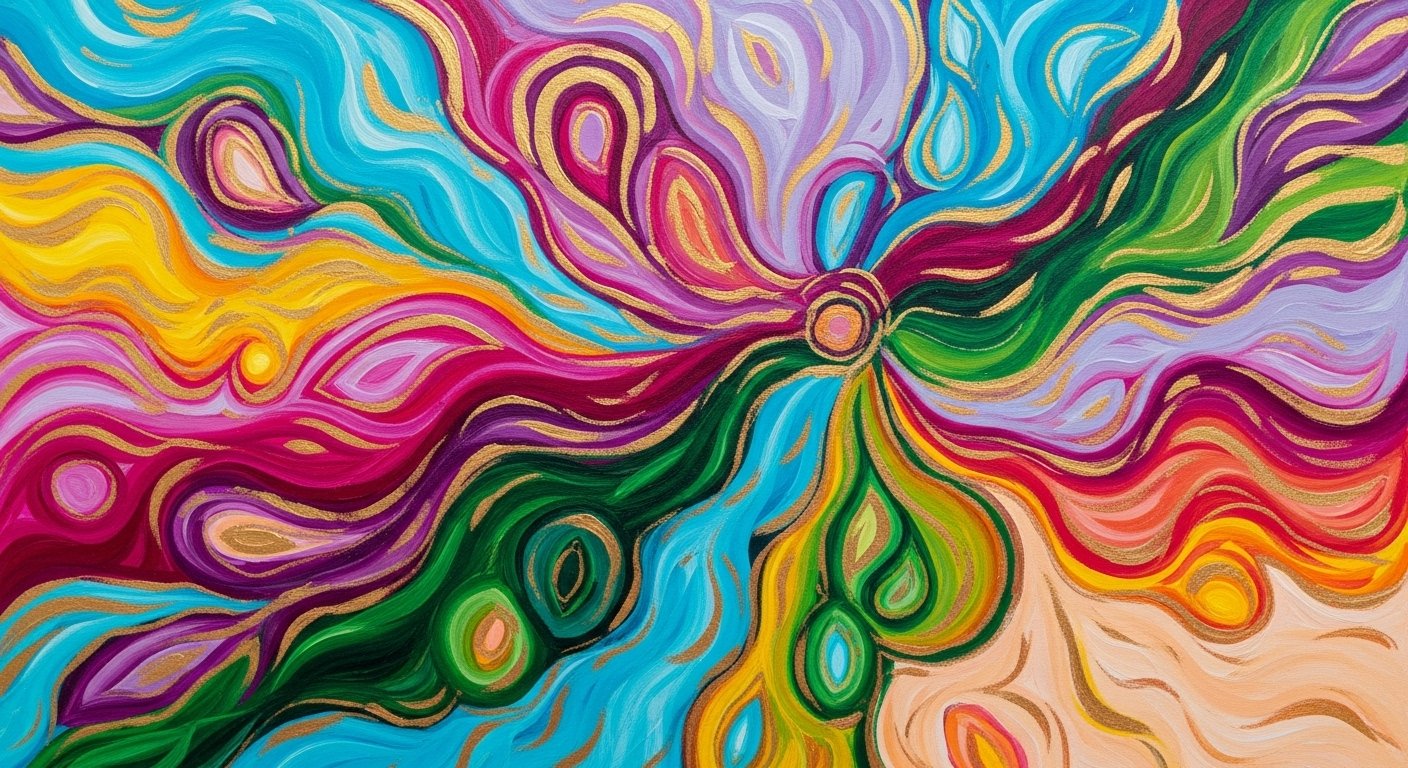
Imagine creating art with no rules, no judgments, and no agenda—just pure flow. Intuitive art invites you to express what words can’t capture, unlocking a deep well of creativity and self-awareness. In a world filled with schedules and expectations, this practice offers rare freedom: a space to listen to your inner guidance and let it spill onto canvas, paper, or any medium you choose.
Unlike traditional art classes, intuitive art isn’t about perfect technique or color theory. It’s about connection—to your emotions, your higher self, and the moment. Whether you consider yourself “artistic” or not, intuitive expression can release stress, reveal insights, and open doors to personal transformation.
This guide explores intuitive art and expression practices in depth: the science behind creativity, the spiritual perspectives, step-by-step techniques, tools, and inspiring real-life stories. By the end, you’ll have everything you need to start your own journey of artistic freedom, plus SEO-friendly resources, FAQs, and a practical action plan to integrate these methods into everyday life.
1. Defining Intuitive Art & Expression
Intuitive art is the process of creating from instinct rather than intellect. It’s less about “thinking” and more about feeling.
You don’t plan a final image—you allow shapes, colors, textures, or movements to emerge organically.
This practice dates back to ancient cultures that used art for ritual, healing, and storytelling long before formal art education existed.
Key aspects include:
- No predetermined outcome: The artwork unfolds naturally.
- Inner listening: You respond to subtle emotions or energetic nudges.
- Freedom from judgment: There is no “good” or “bad” result.
Modern practitioners often combine painting, collage, dance, or digital media. Because the emphasis is on self-discovery, intuitive art is accessible to everyone—children, adults, and even those who believe they “can’t draw.”
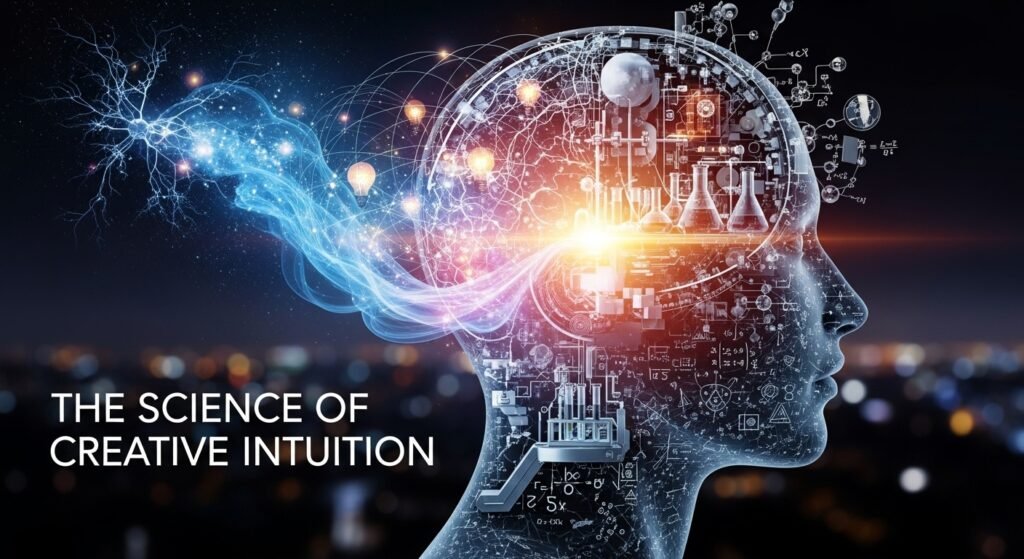
2.The Science of Creative Intuition
Neuroscience shows that intuitive creation activates the default mode network—the brain’s system for imagination, daydreaming, and emotional processing.
When you paint without a plan, your analytical left brain relaxes while the right brain (linked to holistic thinking and creativity) takes the lead.
Benefits supported by research include:
- Reduced cortisol levels and stress relief.
- Enhanced problem-solving through divergent thinking.
- Improved emotional regulation and resilience.
Psychologists note that intuitive art acts like a mindfulness practice, bringing you into a meditative state where insights and “aha!” moments naturally arise.
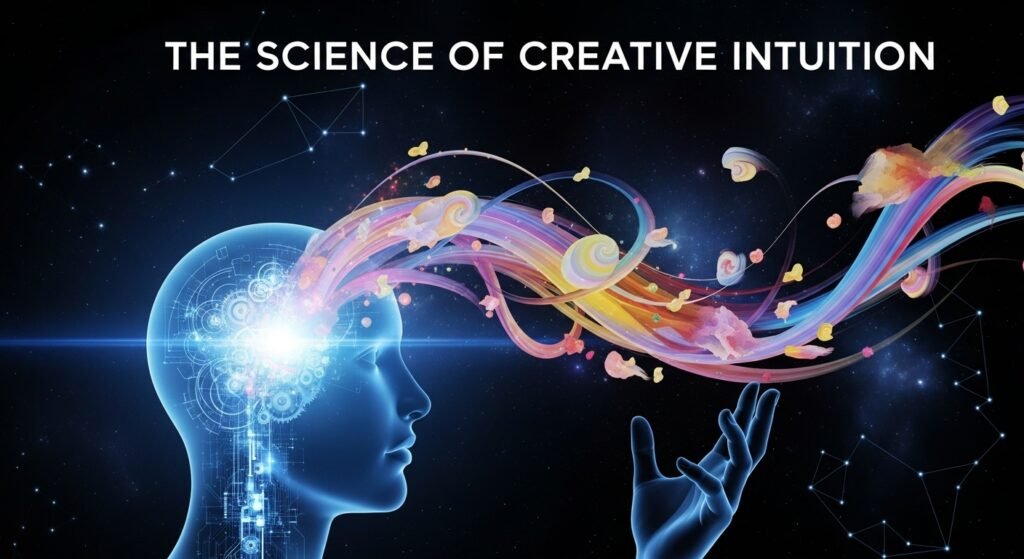
3.Spiritual Perspective on Intuitive Expression
From a spiritual lens, intuitive art is a conversation with the higher self—the part of you beyond ego and daily concerns.
Many traditions view spontaneous creation as a form of channeling divine energy. When you trust your impulses, you align with universal flow, similar to prayer or meditation.
Intuitive art is often described as a bridge between the conscious mind and the soul’s wisdom.
When you create without judgment or a fixed outcome, you open a channel for guidance from your higher self and the universal energy that connects all beings.
Colors, shapes, and movements become symbols of messages beyond words, helping you sense the presence of something greater.
Many people experience moments of deep peace or insight while painting or moving freely, as if time dissolves and spirit takes the lead.
This practice can feel like a meditation in motion, aligning your heart and mind with a higher vibration. By honoring this connection, you invite clarity, healing, and a profound sense of unity into everyday life.
Key spiritual elements:
- Energy alignment: Art becomes a tool to balance chakras and subtle energy.
- Soul communication: Symbols and colors can carry messages from your inner wisdom.
- Manifestation support: Creative vibration amplifies intentions, making art a powerful companion to manifestation practices.
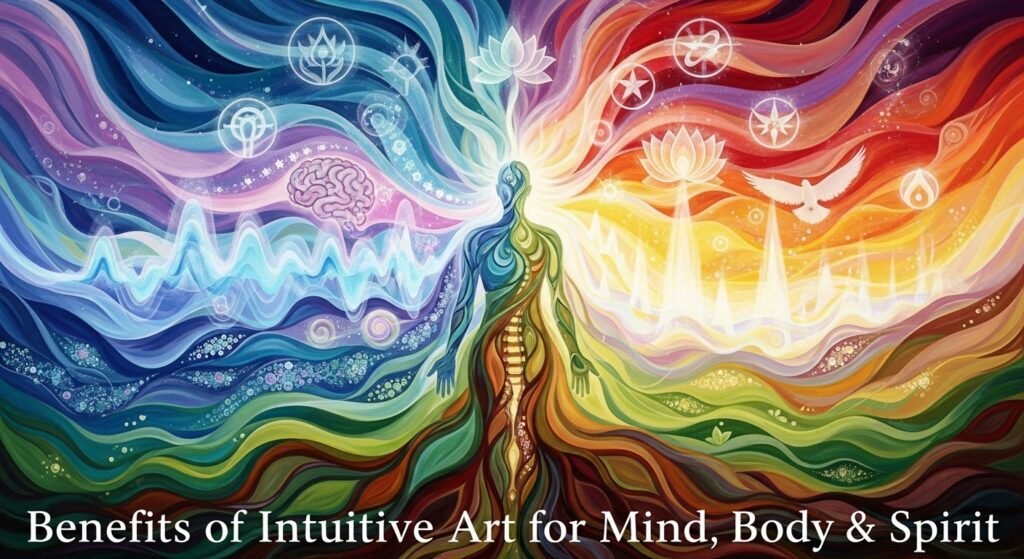
4. Benefits of Intuitive Art and Expression for Mind, Body & Spirit
Intuitive art nurtures emotional release, allowing stress and tension to flow out through creative expression.
It calms the nervous system, promoting relaxation and mental clarity while fostering self-awareness.
The process strengthens mind–body coordination and encourages a deep connection with inner wisdom.
Overall, it supports holistic well-being by harmonizing thought, emotion, and spirit in a gentle yet transformative way.
Engaging in intuitive art unlocks a range of measurable benefits:
- Emotional release: Expressing feelings visually helps process grief, anxiety, or anger without needing words.
- Stress reduction: Studies show art-making lowers cortisol, promoting calm.
- Enhanced self-awareness: Colors and patterns often reflect hidden emotions or desires.
- Greater confidence: Finishing a piece—regardless of skill—builds self-trust.
- Spiritual growth: Creative flow connects you to your higher self and universal energy.
- Community connection: Sharing art in workshops fosters belonging.
Practicing regularly can even improve sleep, strengthen the immune system, and support long-term mental wellness.
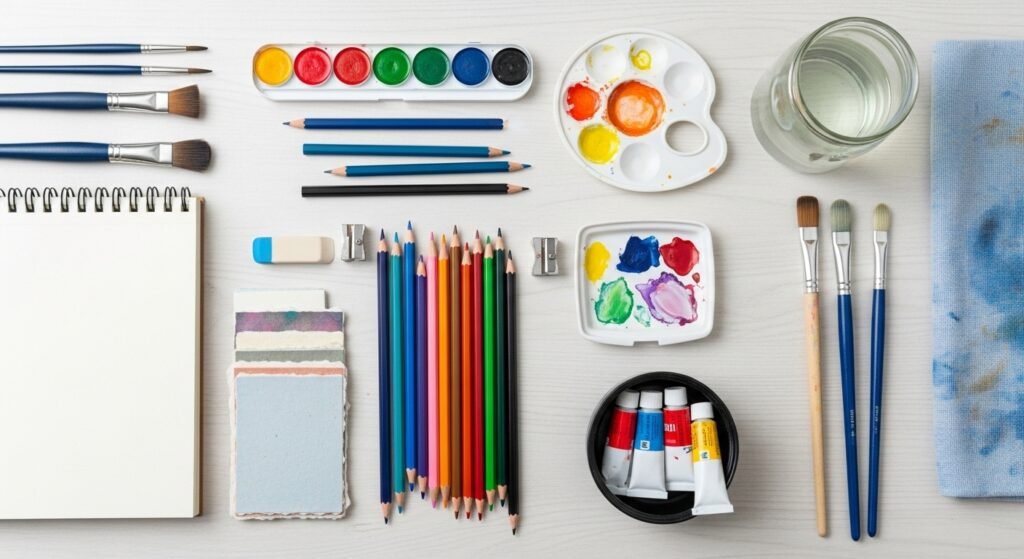
5. Tools & Materials to Get Started
You don’t need fancy equipment to explore intuitive art—just a few basics that inspire you.
Keep simple supplies like watercolor paints, sketchbooks, soft pastels, or even a digital tablet ready for spontaneous creation.
Add extras such as collage papers, textured fabrics, or found objects to spark experimentation and depth. Most important is a quiet, welcoming space where you feel free to explore without judgment.
You need very little to begin. Options include:
- Paints & Brushes: Acrylics or watercolors for bold or fluid effects.
- Mixed Media: Collage papers, magazine cutouts, textured fabrics.
- Digital Tools: Tablets and stylus for mess-free exploration.
- Movement & Sound: Drums, voice, or dance for non-visual expression.
Choose what excites you; the essence is freedom, not perfection. Keep a “creativity corner” stocked with supplies so you can dive in when inspiration strikes.
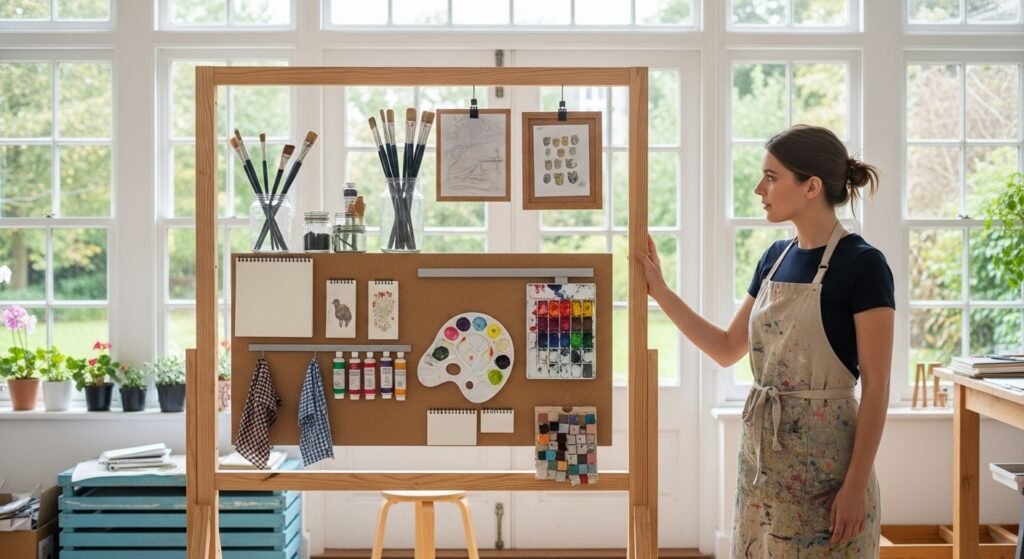
6. Step-by-Step Framework for Intuitive Art Practice
Step 1 – Prepare the Space
Create a quiet, inviting area. Light a candle, play gentle music, or burn sage to set the mood.
Step 2 – Set an Intention
Ask yourself: What emotion or question needs expression today? Let this guide your flow without rigid goals.
Step 3 – Let Go of Control
Close your eyes, breathe deeply, and allow your hand or body to move freely. Trust your impulses.
Step 4 – Observe, Don’t Judge
Notice shapes or colors emerging. Avoid critiquing; there is no “wrong” art.
Step 5 – Reflect
When you feel complete, journal about your experience. What insights surfaced? What emotions shifted?
Repeat as often as you like—daily for grounding or weekly for deeper reflection.
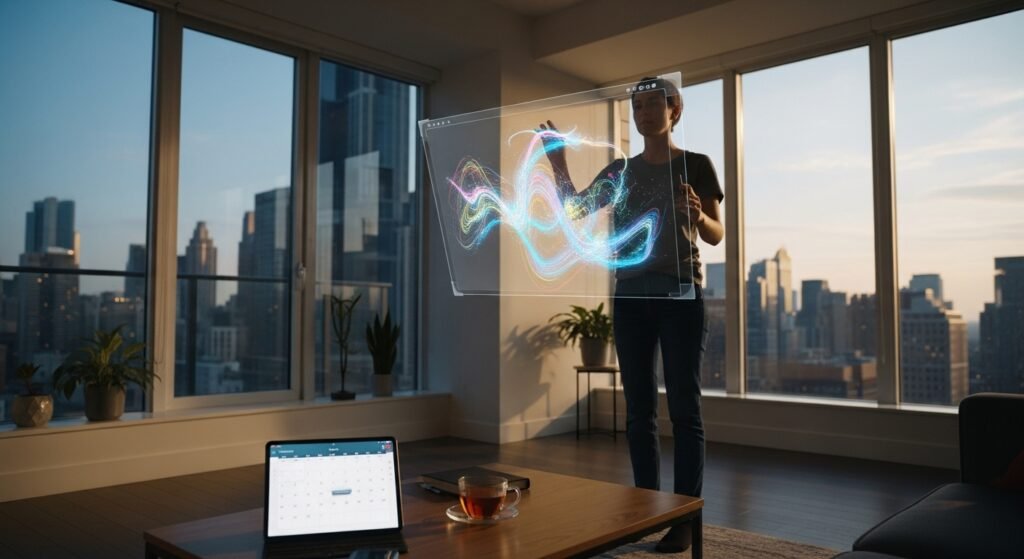
7. Integrating Intuitive Expression into Daily Life
Making intuitive art and expression part of your everyday routine nourishes creativity and inner balance. Begin each morning with a five-minute sketch or color wash to set a positive tone for the day.
Keep a small travel kit—like a pocket journal and markers—in your bag so you can capture sudden bursts of inspiration on the go.
Schedule a weekly “intuitive art hour” to release stress and reflect on emotions without words. Use your lunch break to doodle or paint quick shapes that mirror your mood.
Try pairing evening journaling with a few expressive brushstrokes to wind down before sleep. You can also incorporate movement, like free-flow dance, when you feel blocked or restless.
Display finished pieces around your home as visual reminders of self-growth and resilience. Consider joining an online art circle or local group to share progress and gain motivation.
Over time, these consistent practices transform creativity from an occasional hobby into a sustaining lifestyle habit that deepens self-awareness and daily joy.
Consistency matters. Try these ideas:
- Morning creativity ritual: Start each day with five minutes of free drawing.
- Art breaks at work: Keep a sketchpad for midday stress release.
- Weekly group sessions: Join or host an intuitive art circle online or locally.
These practices keep intuition alive and nurture ongoing personal growth.
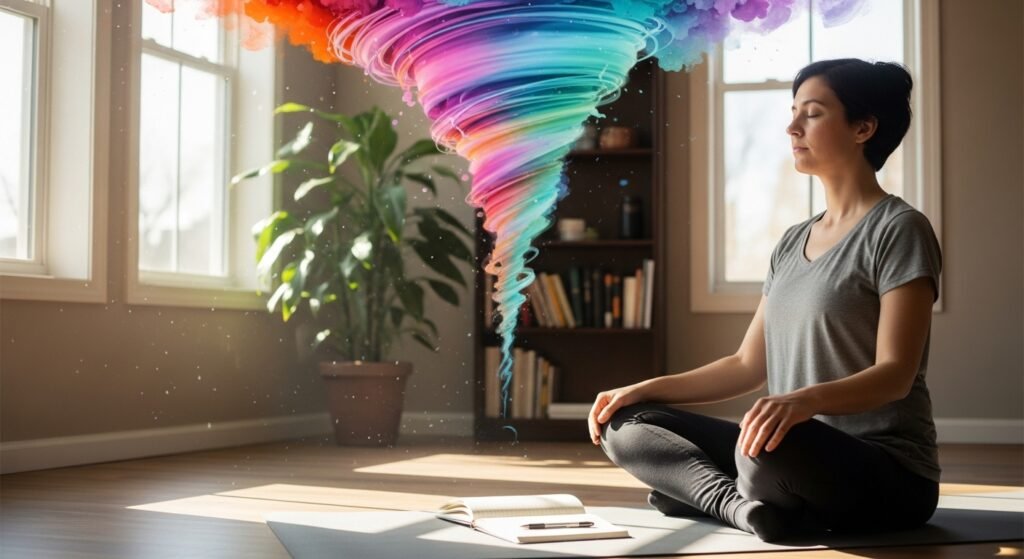
8. Real-Life Stories of Transformation
Countless people share life-changing experiences:
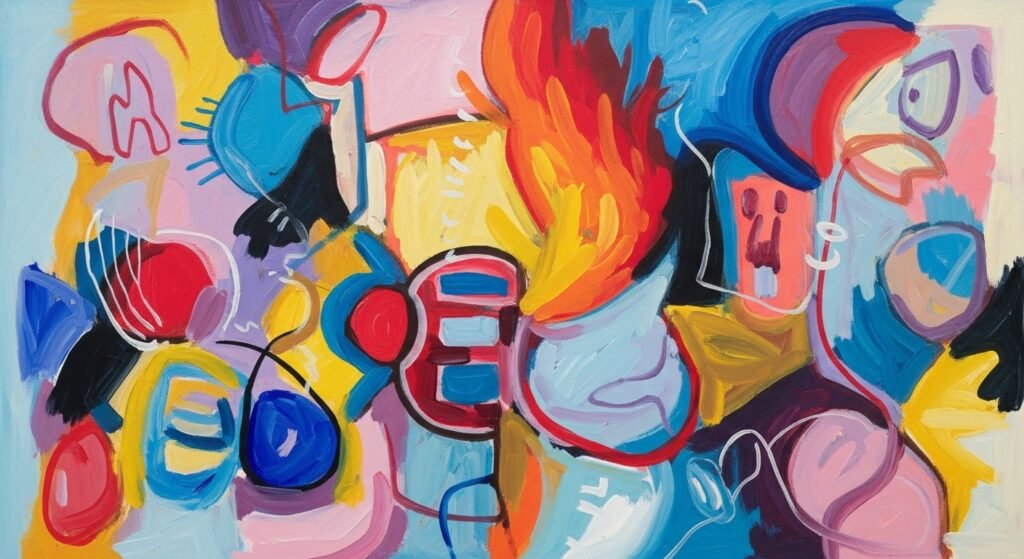
- Healing trauma: A veteran used abstract painting to process PTSD, regaining emotional balance.
- Career clarity: One participant discovered her passion for art therapy and launched a thriving practice.
- Relationship renewal: Couples report deeper connection after creating art together, bypassing verbal conflict.
These stories prove intuitive art’s power to spark profound personal evolution.
9. Table: Quick Reference for Your First Intuitive Art Session
| Step | Action | Purpose |
|---|---|---|
| 1 | Set intention | Focus energy |
| 2 | Choose medium | Paint, collage, dance |
| 3 | Create freely | Release judgment |
| 4 | Observe symbols | Gain insight |
| 5 | Journal | Integrate learning |
10. Advanced Practices & Tips
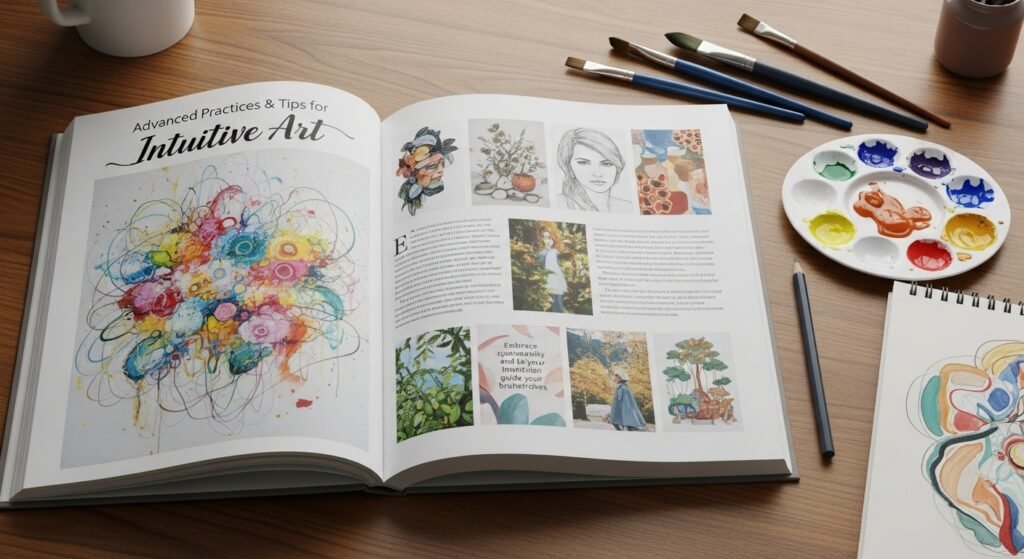
Once comfortable, experiment with:
- Layering & texture for depth.
- Sound & movement to engage the body.
- Guided visualization to access subconscious imagery.
- Collaborative murals for collective healing.
Each adds new dimensions to your self-discovery.
11. 10 Frequently Asked Questions
- Do I need art skills?
Not at all—intuition, not technique, drives the process. - How often should I practice?
Even 10 minutes a day brings benefits. - Can kids participate?
Absolutely; it nurtures creativity and confidence. - What if I feel stuck?
Close your eyes, breathe, and start with random marks. - Is it like therapy?
It’s therapeutic but not a replacement for professional therapy. - Which medium works best?
Any you feel drawn to—paint, collage, digital, dance. - How do I interpret my art?
Focus on personal feelings rather than fixed meanings. - Can intuitive art aid manifestation?
Yes—set intentions and let the imagery embody them. - How does it differ from traditional art?
No planned outcome or formal critique—pure process. - Where can I share my creations?
Join online intuitive art communities or host local gatherings.
12. References & Inspiration for Intuitive Art and Expression
- Books: Intuitive Painting Workshop by Alena Hennessy
- Research: American Journal of Public Health – “The Connection Between Art, Healing, and Public Health”
- Videos: YouTube channels like Flora Bowley’s “Intuitive Painting”
Conclusion & Call to Action
Intuitive art is more than painting—it’s a path to self-liberation. Whether through brush strokes, dance, or collage, you tap into an ancient, wordless language of the soul. By practicing regularly, you release stress, awaken creativity, and strengthen the connection to your higher self.
Gather your supplies, clear a small space, and let your intuition guide the first mark. Freedom is waiting in every color and shape.