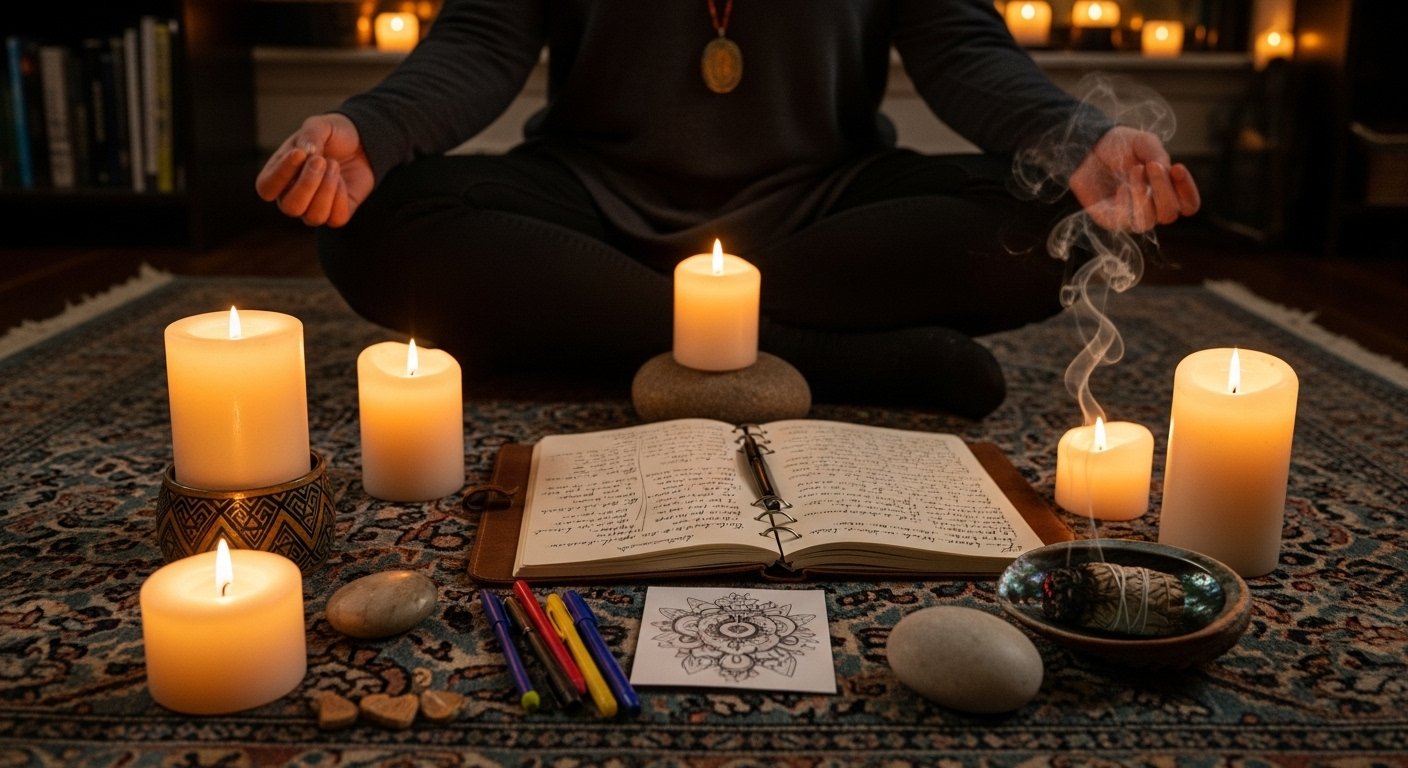
Have you ever sensed a rush of ideas flickering just beyond reach—like lightning behind a thin curtain?
That’s the whisper of channeled creativity, the art of opening yourself to a deeper current of insight that flows beneath ordinary thought.
Unlike brainstorming or forced inspiration, channeled creativity draws from intuition, energy, and a connection to something larger than the individual mind.
Whether you’re an artist searching for your next masterpiece or an entrepreneur seeking a breakthrough product, this practice can ignite innovation you didn’t know you possessed.
By combining ancient wisdom with modern neuroscience, channeled creativity bridges logic and spirit, helping you capture the sparks that drive imagination into reality.
In this guide, you’ll learn powerful, practical techniques—grounded in both science and spirituality—that you can weave into daily life to unlock your highest creative potential.
Table of Contents
- What Is Channeled Creativity?
- Why Channeling Fuels Innovation and Imagination
- Preparing Your Mind for the Flow
- Core Channeled Creativity Techniques
• Energy Alignment Practices
• Automatic Writing for Fresh Concepts
• Guided Visualization and Imagery
• Movement-Based Channeling (Dance, Flow Arts)
• Collaborative Channeling Sessions - Integrating Techniques into Daily Life
- Overcoming Common Creative Blocks
- Real-World Applications in Art, Business & Technology
- Key Resources & Tools
- FAQs
- Conclusion
What Is Channeled Creativity?
Channeled creativity is the process of tapping into an expanded state of awareness to receive ideas, images, and solutions that go beyond ordinary thinking.
Some call it intuition; others see it as guidance from the collective unconscious or universal mind.
The essence is the same: you quiet the analytical brain, invite a higher flow of information, and become a conduit for inspiration.
Unlike traditional brainstorming—which relies on conscious logic—channeling allows ideas to surface from deeper neural networks and subtle energetic fields.
Practitioners often report sensations of calm, vivid inner imagery, or sudden “downloads” of insight.
By engaging this practice, you open doors to breakthrough innovations, fresh artistic visions, and imaginative problem-solving.
It’s not limited to artists; engineers, educators, and business leaders all benefit from channeled approaches.
Because it bypasses mental noise, the method naturally aligns with modern research on creativity, which shows that relaxed brainwave states foster originality.
Key Takeaways
- Accesses deeper intuitive intelligence
- Encourages novel, non-linear solutions
- Works for artists, entrepreneurs, and professionals
- Complements scientific research on creativity
- Requires openness and a quiet mind
- Builds a repeatable path to inspired action

Why Channeling Fuels Innovation and Imagination
Innovation rarely emerges from pure logic; it thrives in spaces where the mind is both focused and free.
Channeled creativity techniques cultivate those conditions by lowering stress hormones and activating alpha–theta brainwaves.
These states enhance associative thinking, allowing unexpected connections between ideas.
When you engage in channeling—whether through meditation, movement, or automatic writing—you invite the subconscious to present novel patterns.
This is the birthplace of visionary inventions, bold artistic styles, and disruptive business models.
Companies like Google and IDEO encourage mindfulness and “unstructured thinking time” for this very reason.
By trusting the channeling process, you move past creative blocks and experience a continuous stream of imaginative insight.
Key Takeaways
- Stimulates alpha–theta brainwaves for fresh connections
- Reduces stress and overthinking
- Sparks innovative solutions in art, tech, and business
- Builds confidence in intuition
- Encourages risk-taking in creative work
- Aligns with modern creativity research
Preparing Your Mind for the Flow
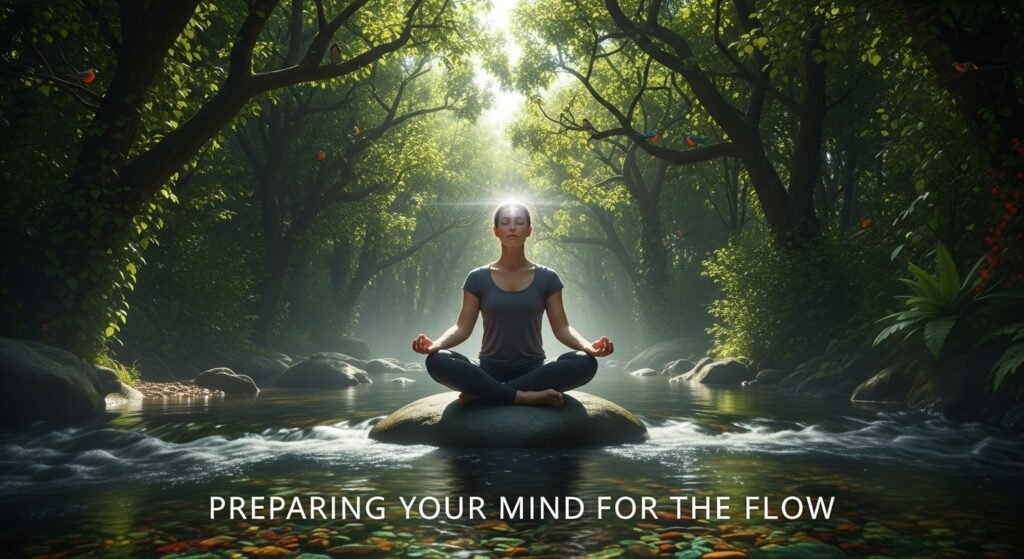
Before attempting any channeled creativity technique, preparation is essential.Set aside a quiet space where you won’t be interrupted—think of it as a mini creative temple.
Dim lighting, soft music, or nature sounds help relax the nervous system.
Begin with five minutes of deep breathing or a brief mindfulness meditation to still mental chatter.
State your intention clearly: “I welcome new ideas for my project,” or “I open myself to imaginative solutions.”
Keep tools handy—journal, sketchpad, or a voice recorder—to capture inspiration the moment it arrives.
Release attachment to outcomes; channeling thrives when there’s no pressure to perform.
Key Takeaways
- Choose a quiet, comfortable setting
- Use breathwork to calm the mind
- Set a clear creative intention
- Keep writing or recording tools nearby
- Release expectations for immediate results
- Treat preparation as a sacred ritual

Core Channeled Creativity Techniques
Harnessing Core Channeled Creativity Techniques allows you to become a true conduit for innovation and imagination.
These practices blend mindfulness, energy alignment, and intuitive exploration to open mental pathways that traditional brainstorming often misses.
By incorporating a variety of approaches—from subtle breathwork to dynamic movement—you create multiple entry points for fresh ideas.
Each technique can stand alone or be combined for even greater creative depth, depending on your personal rhythm and project goals.
The key is curiosity and consistency: regular engagement deepens the channel, making spontaneous insights feel effortless.
Below, explore the most powerful methods to ignite your creative flow and transform inspiration into action.
1. Energy Alignment Practices
Before diving into any creative session, aligning your energy is like tuning an instrument before a concert.
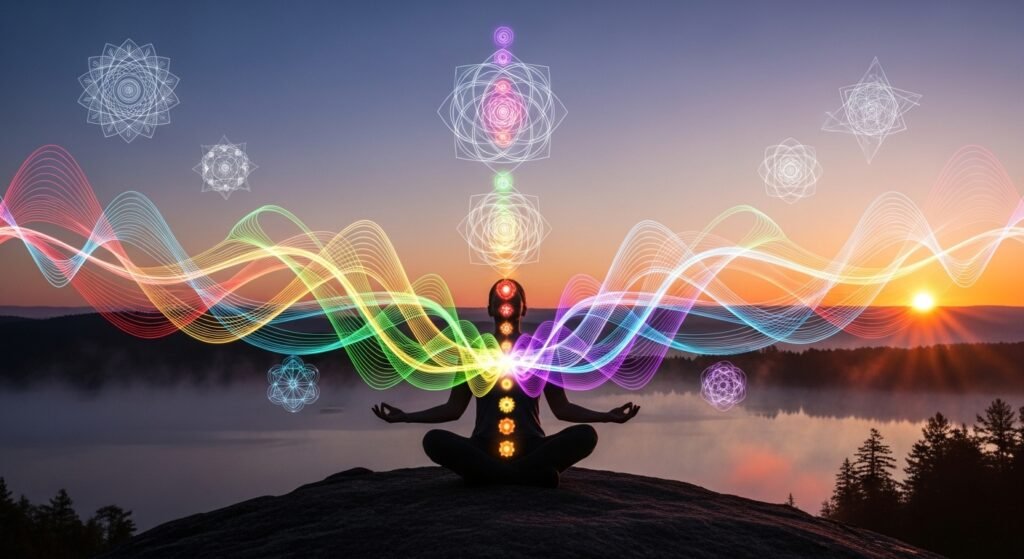
Begin by standing or sitting comfortably and visualizing a column of light traveling from the earth through the crown of your head.
This gentle practice grounds the body and clears stagnant energy that can block imagination.
Some people use simple chakra-balancing meditations; others prefer breathwork such as alternate-nostril breathing.
Spend at least five minutes sensing each inhale as a wave of vitality and each exhale as a release of tension.
As your body relaxes, ideas often emerge spontaneously—colors, shapes, or concepts that feel fresh and exciting.
Energy alignment can be combined with soft instrumental music or nature sounds to deepen the experience.
Over time, you’ll notice more intuitive “nudges” guiding you toward innovative thoughts and projects.
Key Takeaways
- Ground and center body and mind
- Clears subtle energy blocks
- Enhances intuitive perception
- Works well with breathwork or soundscapes
- Primes brain for alpha–theta creative states
- Ideal 5–10 minutes before any session

2. Automatic Writing for Fresh Concepts
Automatic writing is a powerful way to channel ideas directly onto the page.
Sit quietly with a notebook, breathe deeply, and set an intention such as “I welcome insights for my next design.”
Relax your grip and let the pen move freely, writing whatever surfaces without judgment or editing.
At first you may record random words or fragments—don’t worry; patterns will reveal themselves.
Some creators report entire paragraphs arriving fully formed, while others gather a collage of concepts to refine later.
Set a timer for 10–15 minutes to stay focused but relaxed.
When you finish, read your pages slowly and highlight themes or surprising connections.
This method bypasses the analytical brain and taps directly into subconscious creativity.
Key Takeaways
- Allows unfiltered idea flow
- Reduces self-censorship
- Reveals unexpected patterns or solutions
- Requires only pen, paper, and quiet time
- Can be timed for quick creative sprints
- Excellent for writers, entrepreneurs, and artists

3. Guided Visualization and Imagery
Guided visualization invites your mind into vivid inner landscapes where innovation naturally blossoms.
Choose a recorded meditation or create your own script that takes you through an imaginative journey—a forest walk, a space voyage, or an underwater world.
As you visualize details—textures, sounds, scents—your brain forges new neural pathways associated with creativity.
These “dreamlike” experiences often spark metaphors and concepts you can translate into tangible projects.
For example, envisioning a flowing river might inspire a fluid design for an app interface or a dynamic marketing campaign.
Regular practice strengthens your ability to generate original ideas on demand.
You can pair visualization with soft music or binaural beats to deepen the trance-like state where insights arise.
Key Takeaways
- Expands imagination through sensory detail
- Strengthens creative neural pathways
- Produces symbols and metaphors for projects
- Works solo or with recorded guides
- Effective for designers and innovators
- Encourages relaxed yet focused awareness
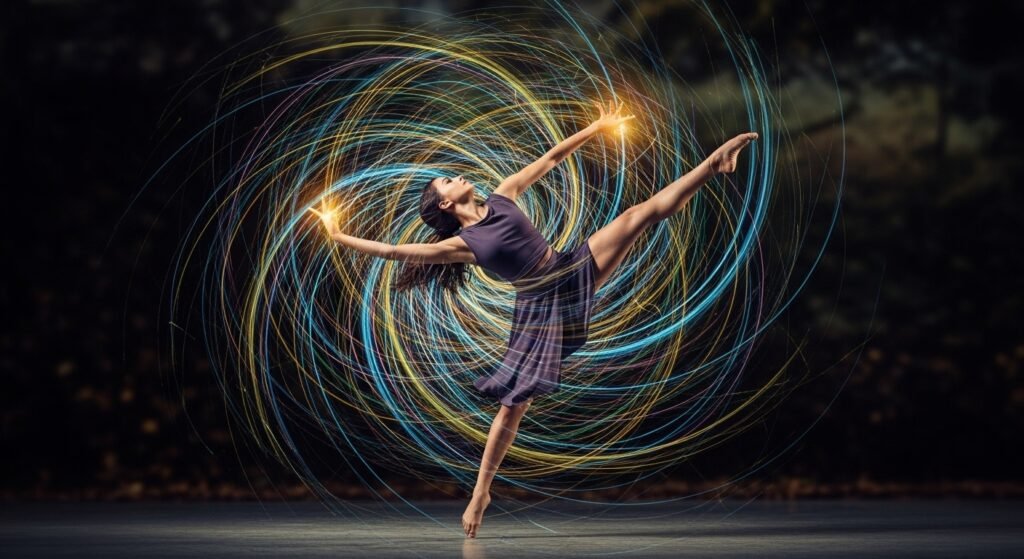
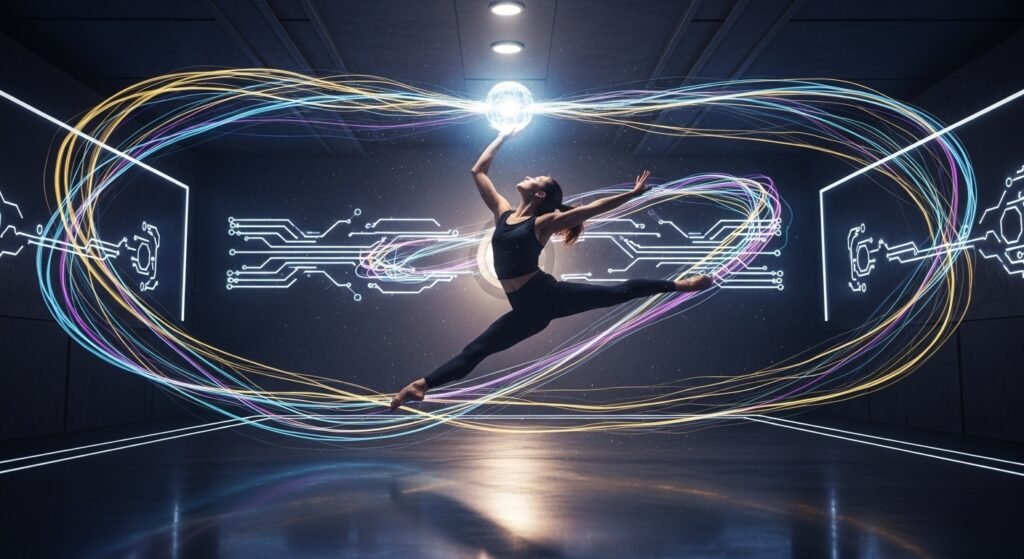
4. Movement-Based Channeling (Dance, Flow Arts)
Sometimes the body leads the mind into creativity.
Movement-based channeling—such as free-form dance, tai chi, or intuitive stretching—releases tension and stimulates fresh thinking.
As you move rhythmically, endorphins lift mood and loosen rigid thought patterns.
Many creators find that after a 15-minute movement session, solutions to complex problems emerge effortlessly.
You don’t need choreography; the key is to let the body express itself without judgment.
Even gentle swaying or slow walking can spark insights when combined with mindful breathing.
Consider keeping a voice recorder nearby to capture ideas that surface mid-movement.
Key Takeaways
- Uses body awareness to unlock creativity
- Boosts endorphins and mental flexibility
- Requires no dance skill—just free motion
- Breaks mental ruts with physical energy
- Combines well with music or nature sounds
- Ideal for kinesthetic learners and innovators
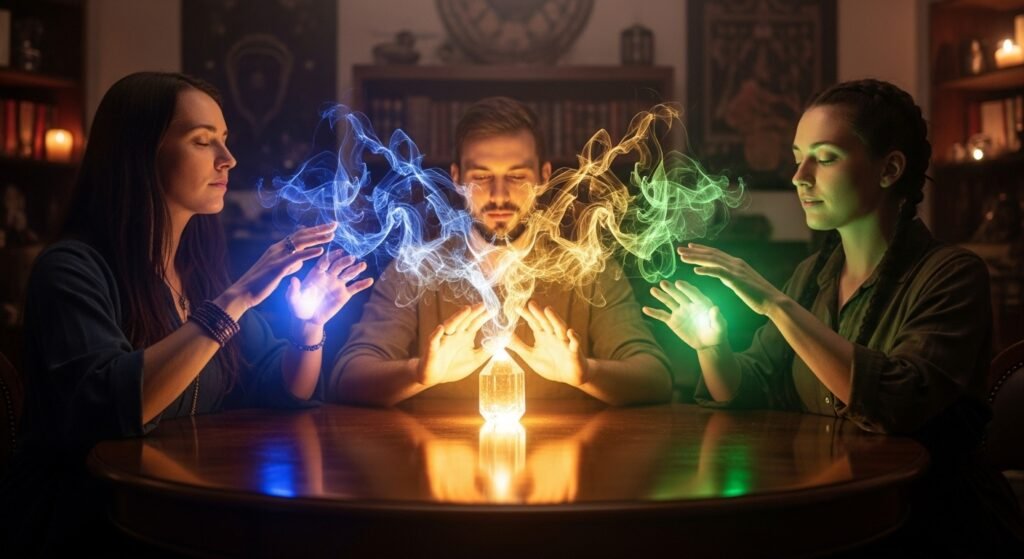
5. Collaborative Channeling Sessions
Two (or more) minds channeling together can create exponential innovation.
Form a small group of like-minded creatives and begin with a short shared meditation or breathwork.
Each person sets an intention, then allows ideas to surface while others listen without interruption.
You can share insights aloud in a circle or record them on a shared document.
The group’s combined intuitive energy often sparks concepts none of you would reach alone.
Businesses use similar “collective flow” techniques in brainstorming sessions to generate groundbreaking strategies.
Respect confidentiality and keep the environment supportive to maintain trust.
Key Takeaways
- Harnesses group synergy for fresh ideas
- Encourages diverse intuitive inputs
- Works for art collectives or business teams
- Builds community and mutual support
- Requires trust and open communication
- Often yields faster breakthroughs
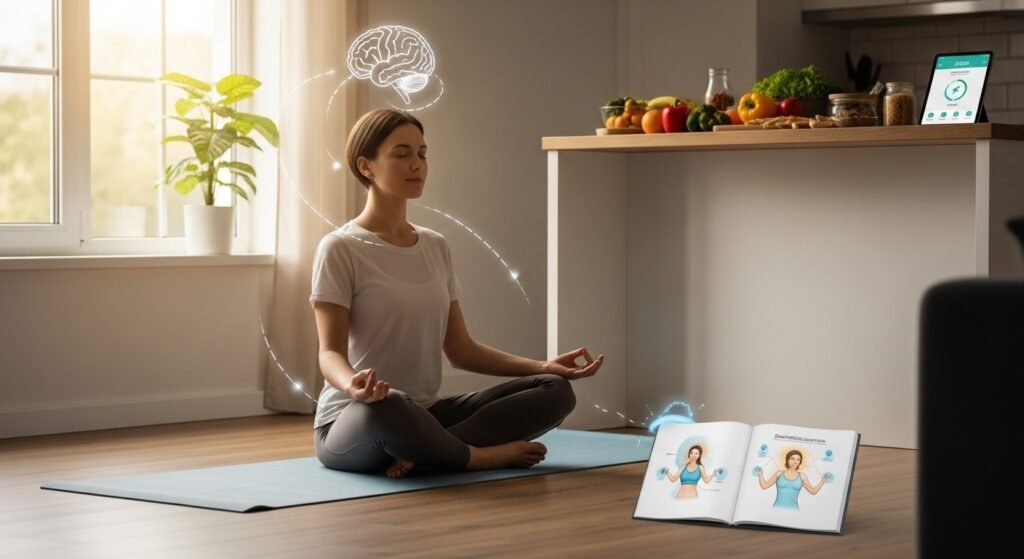
6. Integrating Techniques into Daily Life
Consistency is the key to making channeled creativity techniques second nature.
Begin by dedicating a specific time each day—even ten minutes—to a chosen method such as automatic writing or guided visualization.
Treat it as a non-negotiable appointment, like a morning stretch or evening skincare routine.
Start small: one short session can eventually expand to deeper practice as it becomes a cherished ritual.
Integrating these habits into everyday tasks—like mindful breathing during commutes or a brief energy alignment before meetings—helps maintain an open creative channel throughout the day.
Pair these practices with adequate sleep, balanced nutrition, and regular exercise to keep your body and mind receptive.
Many innovators find that linking channeling sessions to natural energy peaks—early morning or late evening—produces the most inspired results.
Key Takeaways
- Schedule a daily creativity session
- Start with short, manageable practices
- Link channeling to natural energy highs
- Support with healthy lifestyle habits
- Use micro-sessions (5–10 minutes) when busy
- Treat integration as a sacred daily ritual
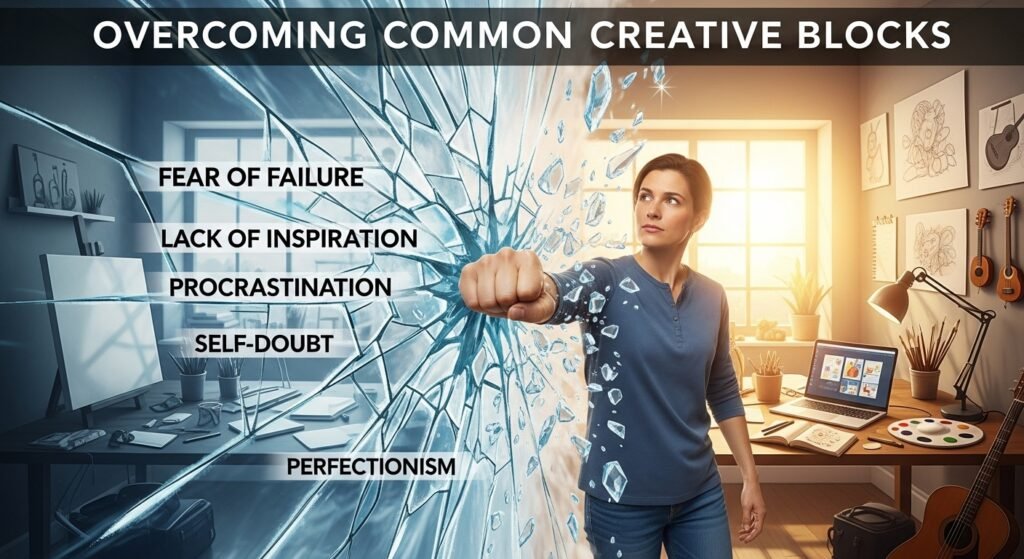
7. Overcoming Common Creative Blocks
Even experienced creators encounter obstacles like self-doubt, overthinking, or lack of time.
The first step is recognizing these blocks without judgment.
If perfectionism arises, remind yourself that channeling values flow over polish.
Short grounding exercises—such as a quick body scan—can calm anxiety and reset focus.
Time scarcity can be eased by micro-sessions: five minutes of automatic writing or a brief visualization can spark surprising insights.
When inspiration feels flat, change your environment—walk outdoors or rearrange your workspace to refresh energy.
Remember that dry spells often precede breakthroughs; patience is itself a creative practice.
Key Takeaways
- Identify blocks with non-judgmental awareness
- Combat perfectionism by valuing process over product
- Use grounding to calm anxious thoughts
- Experiment with micro-sessions for tight schedules
- Refresh creativity by altering environment
- Accept ebbs as part of the creative cycle

Real-World Applications in Art, Business, and Technology
Channeled creativity isn’t confined to art studios; it thrives in boardrooms, classrooms, and labs.
Artists employ channeling to discover new color palettes or narrative structures.
Entrepreneurs use guided visualization to reveal disruptive business ideas.
Tech innovators practice automatic writing to generate fresh software concepts.
Educators integrate collaborative channeling to design engaging learning experiences.
Even healthcare teams adopt movement-based channeling to spark patient-care innovations.
By applying these methods, professionals across industries access an edge in innovation and imaginative problem-solving.
Key Takeaways
- Artists gain unique aesthetic inspiration
- Entrepreneurs discover breakthrough models
- Tech teams ideate new software solutions
- Educators craft creative lesson plans
- Healthcare workers innovate patient care
- Applicable across any field needing fresh ideas
Quick Reference Table of Techniques
| Technique | Ideal Duration | Primary Benefit | Best For |
|---|---|---|---|
| Energy Alignment | 5–10 min | Clears blocks, enhances intuition | All creatives before sessions |
| Automatic Writing | 10–15 min | Bypasses logic for unfiltered ideas | Writers, entrepreneurs, problem-solvers |
| Guided Visualization | 10–20 min | Expands imagination, sparks metaphors | Designers, innovators, educators |
| Movement-Based Channeling | 15–30 min | Releases tension, boosts mental flexibility | Kinesthetic learners, performers |
| Collaborative Channeling | 30–60 min | Combines intuitive insights for big concepts | Teams, think tanks, creative collectives |
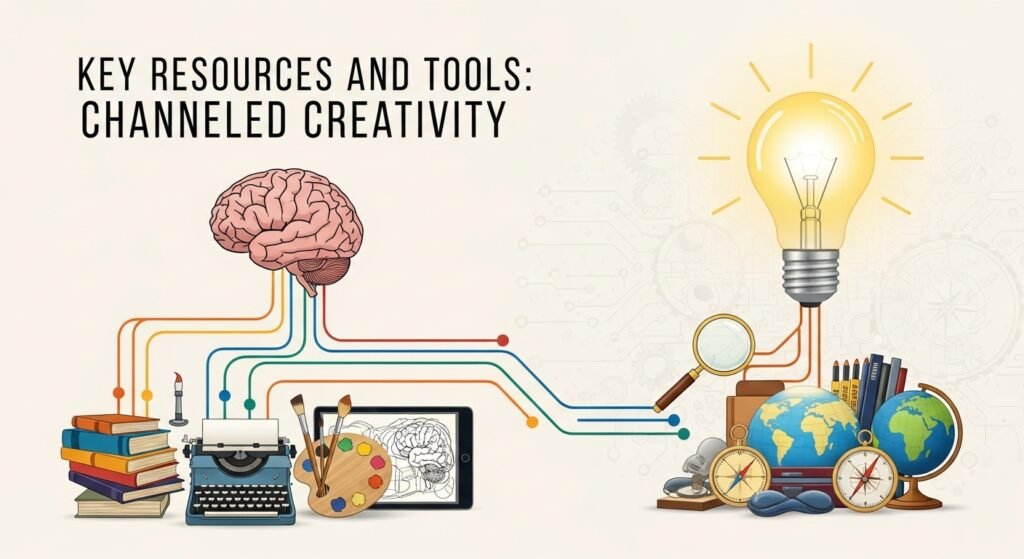
Key Resources and Tools
To deepen your practice, explore tools that support channeled creativity:
- Meditation Apps (Insight Timer, Calm) for guided visualization sessions.
- Journaling Apps like Day One or a classic paper notebook for automatic writing.
- Binaural Beats & Ambient Playlists to encourage alpha–theta states.
- Energy Work Guides for chakra balancing or breathwork sequences.
- Creative Collaboration Platforms (Miro, Notion) for group channeling.
- Workshops & Retreats focused on intuitive creativity and innovation.
These resources provide structure and variety, helping you sustain a long-term practice and keep inspiration flowing.
Key Takeaways
- Digital tools simplify daily channeling
- Ambient sound aids deeper states
- Journaling apps preserve insights
- Collaborative platforms foster group flow
- Retreats immerse you in intensive practice
- Resources can be mixed for a custom routine
FAQs about Channeled Creativity
- Is channeled creativity spiritual or scientific?
It can be either—or both—depending on your perspective. - Do I need special psychic abilities?
No. Openness and practice are the only requirements. - How soon will I see results?
Some notice ideas immediately; others after a few sessions. - Can it help with writer’s block?
Yes, by bypassing the analytical mind. - Best time of day to practice?
Morning or evening when the mind is calm. - Can groups practice together?
Absolutely—collaborative sessions often amplify insights. - Is automatic writing safe?
Yes, when approached with grounding and intention. - What if nothing comes through?
Be patient; consistency builds the channel. - Can businesses benefit?
Yes, channeling fuels innovative strategies and product ideas. - How do I measure progress?
Keep a creativity journal and review emerging patterns weekly.
Conclusion
Channeled creativity techniques invite you to become a vessel for innovation and imagination.
By aligning energy, calming the analytical mind, and embracing intuitive flow, you unlock a steady stream of original ideas.
Whether through automatic writing, guided visualization, movement, or collaborative sessions, each method offers a doorway to deeper insight and transformative creativity.
Consistency turns these practices into a reliable wellspring of inspiration for artists, entrepreneurs, educators, and innovators alike.
Remember: creativity isn’t forced—it’s allowed.
Approach channeling with curiosity and patience, and you’ll find the universe of ideas ready to meet you halfway.