Discover the transformative power hidden within your own voice and surrounding sounds—unlock the secret to deep inner harmony, emotional balance, and vibrant well-being through simple yet profound vibrational healing techniques.
Achieving inner harmony through voice, sound, and vibrational expression is a powerful practice that connects mind, body, and spirit.
This beginner’s guide explores how these elements influence well-being, and provides practical steps to harness their healing potential.
Table of Contents
- Introduction to Voice, Sound & Vibration
- The Science Behind Vibrations and Inner Harmony
- How Voice Impacts Emotional and Mental Health
- Tools for Sound and Vibrational Expression
- Techniques to Use Voice and Sound for Inner Harmony
- Benefits of Sound Healing and Vibrational Practices
- Creating Your Daily Sound Ritual
- Common Sound Therapy Instruments
- Challenges Beginners Face and How to Overcome Them
- Guided Voice and Sound Exercise
- Conclusion: Embracing Voice & Vibration for Well-Being
- FAQs
Introduction to Voice, Sound & Vibration
Voice, sound, and vibration are fundamental forces that shape our existence. From ancient chants to modern sound therapy, these elements influence our emotions, consciousness, and physical health.
Vibrational energy resonates with cells and organs, promoting balance and well-being.
Voice, sound, and vibration are essential elements that shape our experience of the world and ourselves.
From the gentle rhythm of a heartbeat to the melodies of a song, vibrations affect our physical body, mind, and emotions on a profound level.
Our voice is a unique instrument capable of expressing inner feelings and influencing our energetic state.
Throughout history, many cultures have used chanting, singing, and sound rituals to promote healing and spiritual connection.
By understanding how sound and vibration work, we can consciously use them to restore balance and harmony within.
This guide will help you explore simple practices that tap into the power of voice and sound for greater inner well-being.
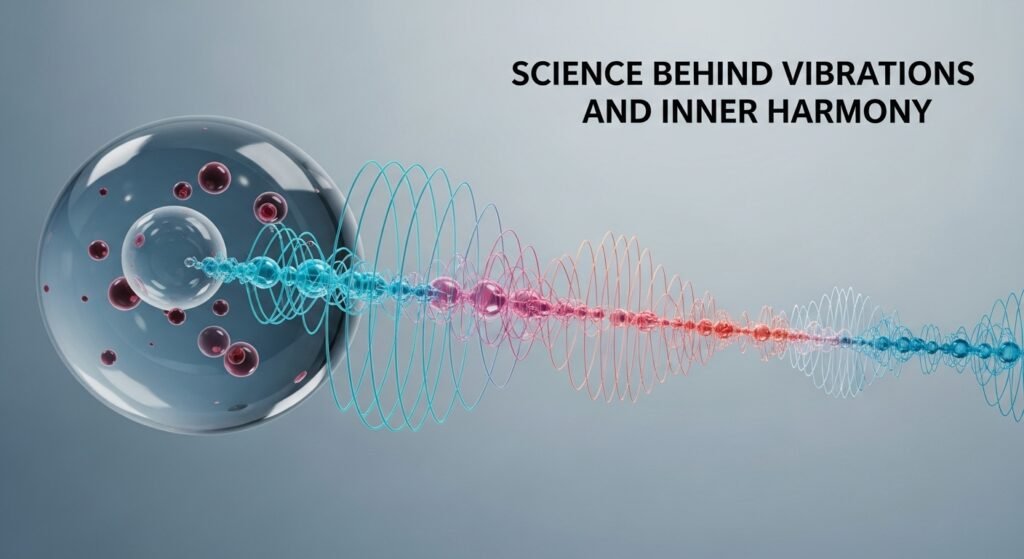
The Science Behind Vibrations and Inner Harmony
Every object produces vibrations, including our vocal cords. These vibrations create waves that interact with our body’s cells, promoting alignment and healing.
Scientific studies show that sound frequencies can reduce stress hormones, increase immune response, and improve brain wave patterns.
Vibrations are the foundation of all matter and energy, including the sounds we hear and the voice we produce.
Scientific research has shown that certain sound frequencies can positively affect brain wave patterns, promoting relaxation and mental clarity.
When our body’s cells resonate with harmonious vibrations, it encourages balance in the nervous system and supports physical healing.
Sound waves can also influence the release of neurotransmitters and hormones, reducing stress and improving mood.
This interaction between sound frequencies and the body’s biochemistry forms the scientific basis for sound therapy and vibrational healing.
Understanding these principles helps us effectively use sound to cultivate inner harmony and well-being.
Key Scientific Insights
- Sound frequencies can induce alpha and theta brain waves associated with relaxation and meditation.
- Vibrational resonance helps align cells and energy systems, supporting natural healing processes.
- Exposure to calming sounds lowers cortisol (stress hormone) levels and reduces anxiety.
- Specific frequencies stimulate neurotransmitter release, enhancing mood and focus.
- The throat chakra, connected to voice, regulates communication and psychological balance through vibrational energy.
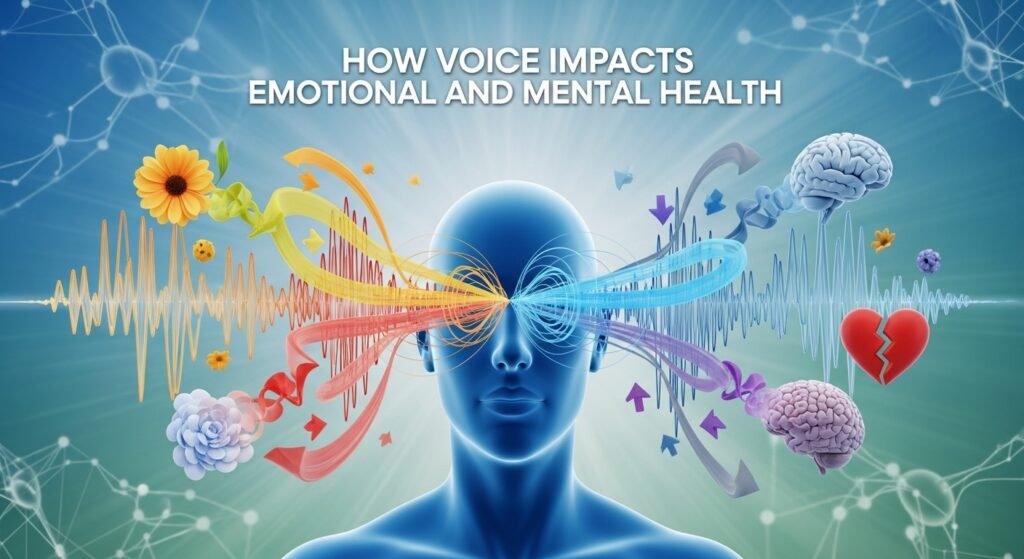
How Voice Impacts Emotional and Mental Health
Speaking, singing, or toning allows the release of suppressed emotions and enhances mood. The voice is closely tied to the throat chakra, which governs communication and self-expression.
Using voice expression techniques can dissolve emotional blockages and foster mental clarity.
Voice has a profound impact on emotional and mental health, as scientific studies increasingly reveal its diagnostic and therapeutic potential.
Acoustic features of the voice, such as pitch, tone, loudness, and quality, are closely linked to emotional states and mental disorders like depression.
For example, research shows that specific voice patterns can objectively indicate depression severity and track treatment progress, providing a measurable biomarker for mental health assessment.
The voice reflects underlying neurological and psychological processes by expressing emotions that may be difficult to articulate verbally.
Using voice exercises, such as toning or chanting, stimulates the nervous system, helping to release emotional blockages and promote relaxation.
Thus, cultivating voice and sound awareness can enhance mental clarity, emotional resilience, and overall psychological well-being.
Tools for Sound and Vibrational Expression
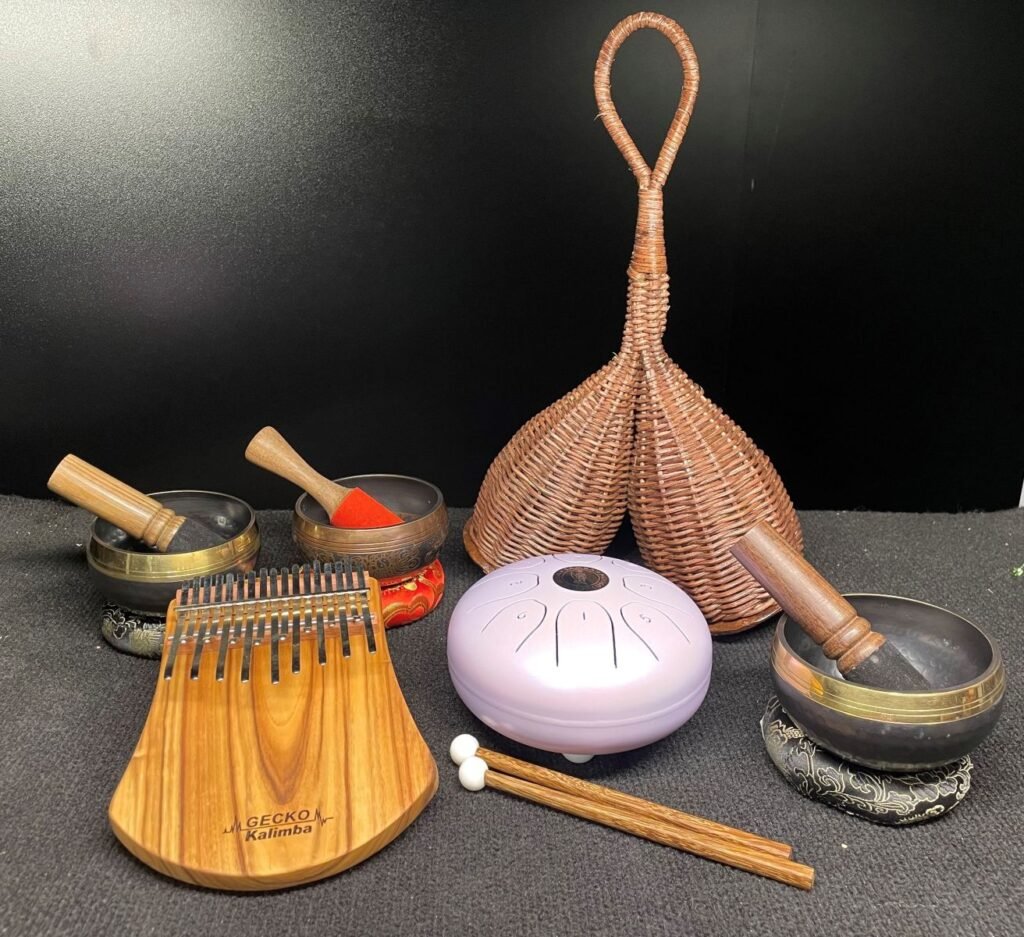
Sound and vibrational expression is supported by a variety of powerful tools and instruments that create healing frequencies.
These include singing bowls, which produce resonant tones that soothe the mind and body. Tuning forks emit precise frequencies used to balance energy centers and relieve tension.
Drums, such as shamanic or frame drums, provide rhythmic beats that ground and energize practitioners.
Other tools like chimes, rainsticks, flutes, and the human voice are widely used to generate calming and therapeutic vibrations, making sound healing accessible to everyone.
- Humming & Toning: Simple vocal exercises that produce healing vibrations.
- Mantras & Chants: Repetitive sounds or phrases that focus the mind and induce calm.
- Singing Bowls: Produce harmonic overtones to influence brain waves.
- Tuning Forks: Deliver precise frequencies to stimulate healing responses.
- Nature Sounds: Listening or recreating natural vibrations such as water or wind.
Techniques to Use Voice and Sound for Inner Harmony
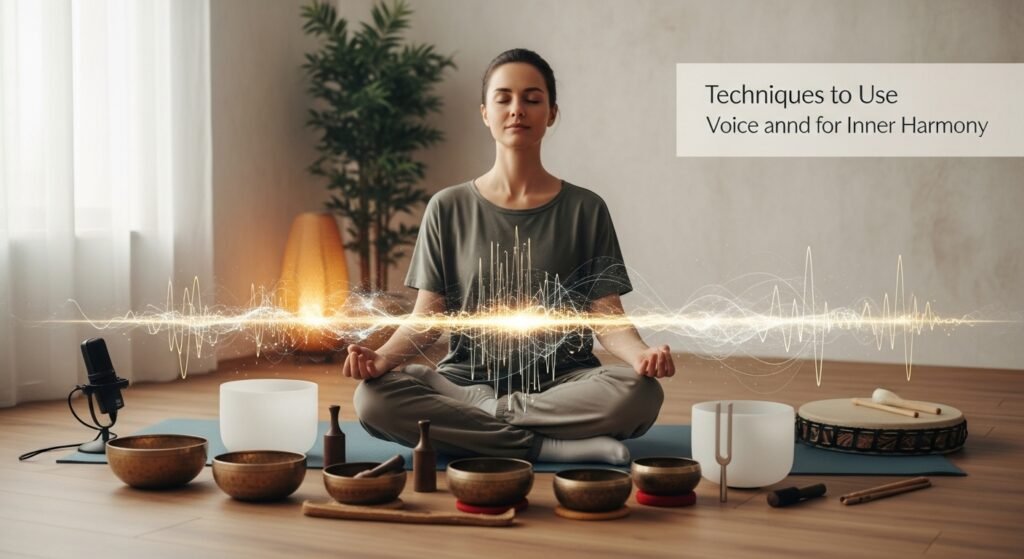
| Technique | Description | Benefits |
|---|---|---|
| Humming | Steady, low-pitched sounds | Reduces anxiety, balances the nervous system |
| Toning | Sustained vowel sounds | Opens energy channels, improves vocal strength |
| Chanting Mantras | Repetition of sacred sounds or phrases | Focuses mind, calms emotions |
| Guided Sound Baths | Listening to curated sound vibrations | Induces deep relaxation and meditation |
| Breath & Voice Sync | Coordinating breath with voice production | Enhances mindfulness and energy flow |
Benefits of Sound Healing and Vibrational Practices
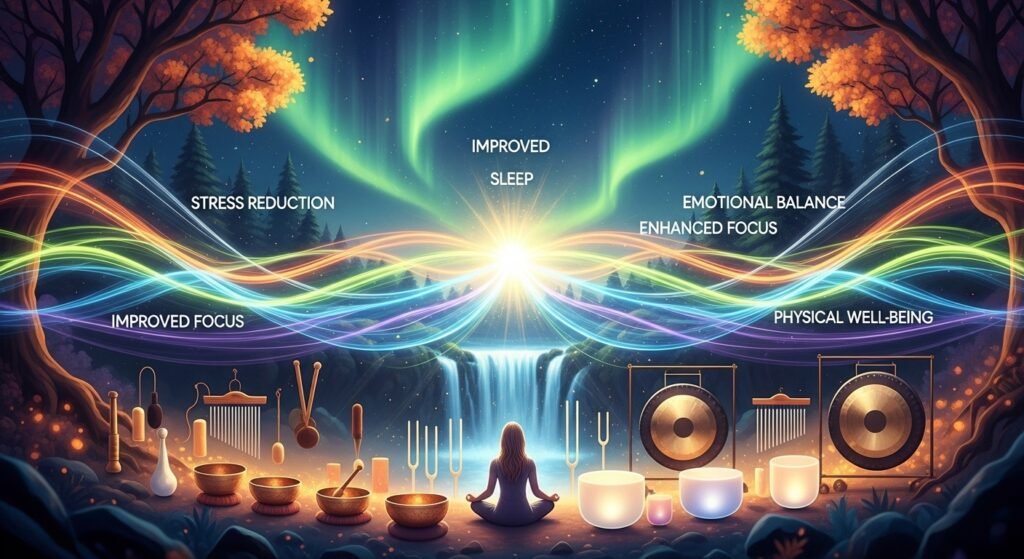
Sound healing and vibrational practices offer a wide array of benefits for physical, emotional, and mental well-being.
The soothing vibrations help induce deep relaxation by calming the nervous system and lowering stress hormones like cortisol.
Improved sleep quality and reduction in chronic pain have also been documented, providing relief for many individuals.
Sound frequencies work by opening and balancing energy centers (chakras), which can release blocked energy and promote a renewed sense of vitality.
This healing modality is known to enhance mood, reduce anxiety, and foster emotional clarity, making it a valuable tool for mental health support.
Additionally, sound healing can boost immunity and support overall cardiovascular health by lowering blood pressure and cholesterol.
Many traditional cultures have utilized sound therapy through chanting, singing bowls, and drums, a practice which modern science increasingly validates.
Integrating these practices can boost mindfulness, enhance spiritual well-being, and create a powerful pathway to inner harmony.
- Lowers stress and cortisol levels
- Improves sleep quality
- Enhances emotional balance and resilience
- Boosts immunity and physical healing
- Increases mindfulness and spiritual connection
Creating Your Daily Sound Ritual
Creating a daily sound ritual is a simple yet powerful way to cultivate inner harmony and reset your energy.
Start by dedicating just 5 to 10 minutes each day in a quiet, comfortable space where distractions are minimized.
Begin with gentle humming or toning to awaken your voice and feel the vibrations within your body.
Incorporate chanting or mantra repetition to focus the mind and enhance emotional release.
Listening to calming sound baths or nature sounds can deepen relaxation and foster mindfulness.
Over time, this consistent practice will promote emotional balance, mental clarity, and a profound sense of well-being.

Common Sound Therapy Instruments
Sound therapy uses a variety of instruments that create healing vibrations to promote relaxation and balance.
Common instruments include singing bowls—both metal and crystal—that produce soothing resonant tones. Tuning forks generate precise frequencies that can target specific energy centers in the body.
Drums, such as shamanic or frame drums, help ground the listener and induce meditative states with their deep rhythms.
Other popular tools are chimes, rainsticks, and flutes which add gentle, calming sounds to sound healing sessions.
The human voice itself is also a powerful instrument capable of emotional release and energy alignment.
These diverse instruments work together to create a harmonious soundscape conducive to inner healing and peace.
- Crystal Singing Bowls
- Tibetan Singing Bowls
- Tuning Forks
- Drums
- Didgeridoos
- Bells and Chimes
Challenges Beginners Face and How to Overcome Them
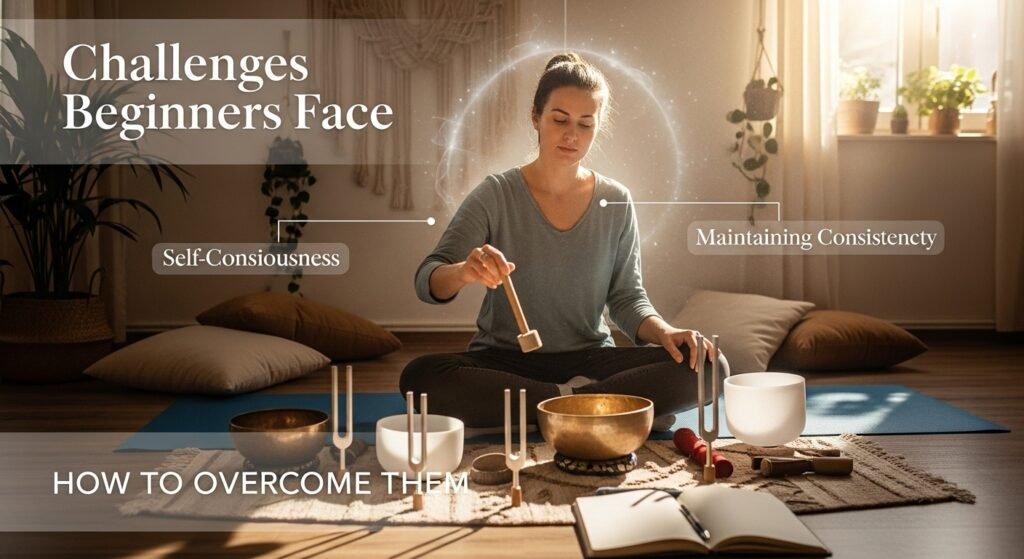
Beginners often face challenges when starting sound healing practices, including feeling self-conscious about making vocal sounds or using instruments.
It can also be difficult to maintain a consistent practice amid daily distractions and busy schedules.
Some may struggle with finding the right sound or frequency that resonates personally, which can affect the healing experience.
Overcoming these challenges involves creating a dedicated, peaceful space for practice and setting clear intentions to stay motivated.
Beginners are encouraged to start with simple voice exercises and gradually experiment with different sounds and tools.
Consistency and patience are key to unlocking the full benefits of sound healing and vibrational practices.
- Feeling self-conscious about vocal sounds: Practice in private or with supportive groups.
- Lack of consistency: Schedule specific times for sound rituals.
- Difficulty focusing: Use guided sound meditations or apps.
- Unfamiliarity with instruments: Start with voice-based methods before exploring tools.

Guided Voice and Sound Exercise for Inner Harmony
Try this simple 10-minute daily exercise:
- Find a quiet, comfortable space and sit with your spine straight.
- Close your eyes and take three slow deep breaths, inhaling through the nose and exhaling through the mouth.
- Begin humming a comfortable note on the exhale—feel the vibration in your chest and throat. Continue humming steadily for 1-2 minutes.
- Transition to toning by sustaining vowel sounds such as “Ah,” “Om,” or “Eh” for 3-5 breaths each, noticing the vibrations around your head and chest.
- Repeat the mantra “Om” aloud or silently 5 times, focusing on your breath and vibration.
- Finish by sitting quietly for a few moments, observing any sensations of calm or clarity.
Consistency with this practice can help align your energy and foster inner peace.
Frequently Asked Questions (FAQs)
- What is vibrational healing?
Vibrational healing uses sound frequencies to balance the body’s energy and promote wellness. - Can anyone practice sound healing?
Yes, anyone can start with simple vocal exercises and gradually explore instruments. - How often should I practice voice and sound techniques?
Even 5-10 minutes daily can have beneficial effects. - Do I need special equipment for sound healing?
No, your voice alone is a powerful tool; instruments are optional. - Is sound healing scientifically proven?
Studies show sound frequencies influence brain waves and reduce stress hormones. - What are the best mantras for beginners?
Mantras like “Om” or “So Hum” are widely used and easy to learn. - Can sound therapy replace medical treatment?
No, it complements but does not replace conventional medical therapies. - How does sound affect the chakras?
Specific sounds correlate with different chakras to clear blockages and balance energy. - Is it necessary to meditate while using sound healing?
Meditation enhances the experience but is not mandatory. - What if I can’t carry a tune or sing well?
There’s no need for perfect pitch; any vocal sound generates healing vibrations.
Conclusion: Embracing Voice & Vibration for Well-Being
Voice, sound, and vibrational expression are accessible, natural methods for cultivating inner harmony. By integrating these practices into daily life, you can enhance physical health, emotional stability, and spiritual well-being.