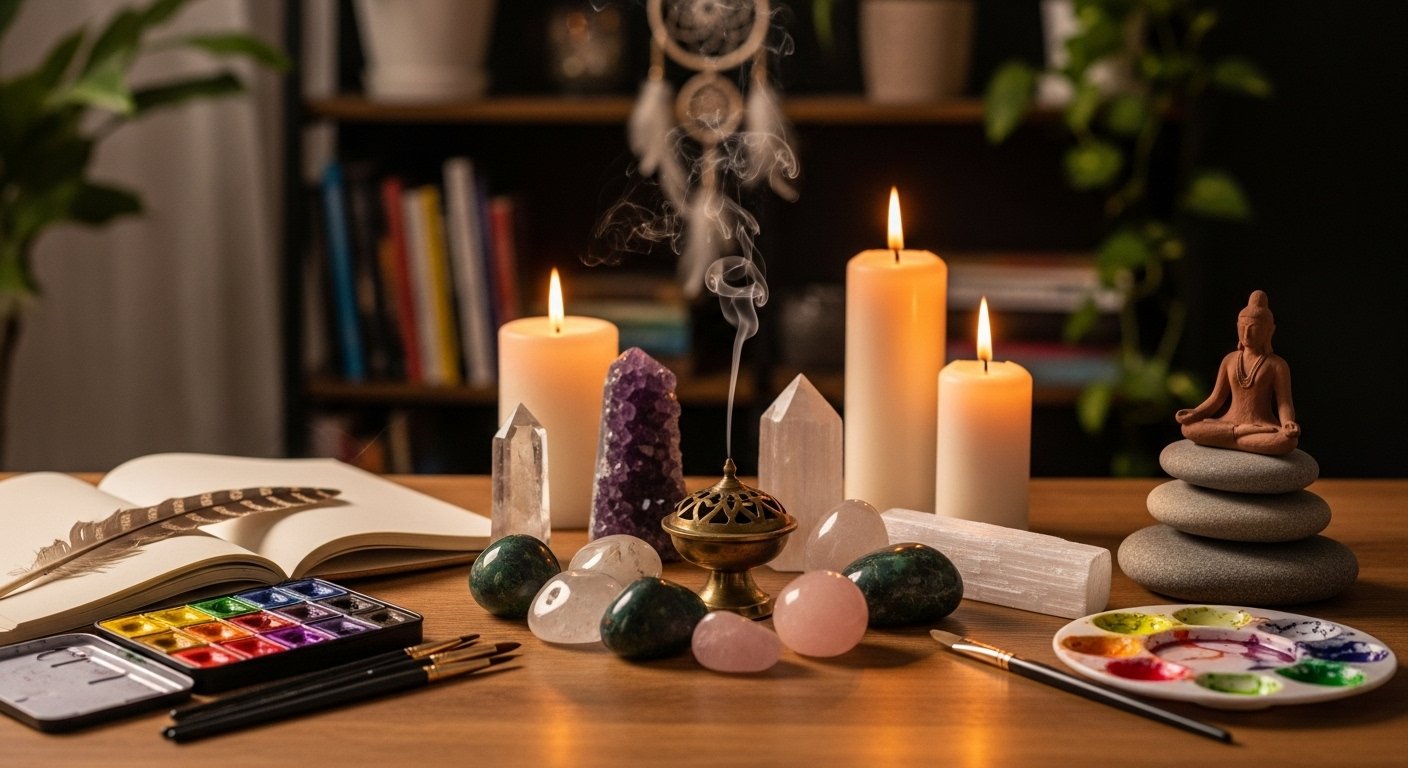
Awakening daily inspiration through creative rituals and sacred practices deepens connection to inner creativity and the world around us. Establishing a creative ritual is a powerful tool to invite focus, flow, and meaning into your work and life.
By blending movement, mindful writing, sacred sounds, myths, natural objects, and reflective practices such as Lectio Divina, these rituals ground and ignite the creative spirit.
Explore 10 sacred and creative rituals enriched with tradition and personal insight that will support lasting inspiration.
Table of Contents
- What Are Sacred Rituals? Understanding Their Meaning
- Establishing a Creative Ritual: Why It Matters
- Dancing, Running, Singing, and Processions as Sacred Practices
- Writing Rituals and the Act of Creativity
- The Rituals We Create Around Our Writing Can Ground Us
- Embracing Rituals that Blend the Mystical with the Artistic
- Exploring Sacred Rituals Examples in Daily Life
- An Introduction to Lectio Divina: A Four-Step Reading Practice
- Practical Tips for Creating Your Own Sacred Creative Rituals
- FAQ: Common Questions About Creative Rituals and Sacred Practices
What Are Sacred Rituals? Understanding Their Meaning
Sacred practice meaning lies in its ability to connect individuals with something greater—whether that be nature, community, or the divine.
Sacred rituals often include mythical elements, sound patterns, symbolic actions, or special objects that invoke a sense of reverence or transformation.
These ritual activities create moments of mindfulness and connection, allowing people to step outside ordinary time and tap into deeper creative resources.
Traditionally, sacred rituals involve natural objects, people, and sounds that ground us in a shared experience and the cycles of life. Whether simple or elaborate, these practices foster a sacred space where creativity can awaken and flourish.
- Sacred rituals are ceremonial acts performed in religious, spiritual, or cultural contexts that carry deep symbolic meaning and connect participants to the divine, ancestors, or greater cosmic forces.
- They often include formalized, repetitive sequences of actions such as chanting, prayers, gestures, or offerings performed according to tradition or established patterns.
- Sacred rituals use symbols, myths, sounds, ritual objects, and physical movements to convey abstract beliefs, cultural values, and spiritual realities beyond literal interpretation.
- Many rituals involve communal participation, fostering a shared identity, social cohesion, and a sense of belonging within the group or community.
- They mark important transitions in life (birth, marriage, death), seasonal cycles (harvest, solstice), healing processes, and spiritual invocation or communion.
- Sacred rituals can create a sense of timelessness and connection to the past, grounding individuals in a larger story and transcending ordinary time and space.
- Natural objects such as water, fire, herbs, and stones often play a role in rituals, symbolizing purification, transformation, and connection to the earth.
- Through sacred rituals, participants not only honor traditions but also access a profound, transformative experience that nurtures creativity, healing, and spiritual growth.
These elements show how sacred rituals blend the physical and spiritual worlds, inviting reverence, mindfulness, and deeper connection.

Establishing a Creative Ritual: Why It Matters
Establishing a creative ritual is a powerful tool for maintaining consistent inspiration and focus. Rituals provide structure that signals to the mind and body it’s time to create, helping to bypass resistance and hesitation.
Creative rituals can be small daily acts or elaborate ceremonies that help settle scattered thoughts and invite flow.
Over time, these rituals become anchors that ground the creative process, making it easier to access the rich well of ideas and emotion residing within.
By honoring the sacredness of creation through ritual, individuals nurture not just productivity but also deep satisfaction and joy in their artistic work.
- Establishing a creative ritual helps eliminate decision fatigue by creating a consistent, automatic routine that tells your brain it’s time to focus on creativity.
- Rituals instill a sense of certainty and structure, which reduces self-doubt and hesitation, making it easier to start new creative projects.
- By following the same pattern daily, rituals free mental energy from figuring out “what to do next,” allowing more brain power to go into actual creative work.
- Creative rituals act as triggers or signals that put you into a focused and inspired mindset, much like an athlete’s pre-game routine.
- Rituals provide grounding and mindfulness, offering a calming space in a chaotic world which nurtures creativity as a form of self-care.
- Over time, creative rituals build momentum and discipline, helping to sustain long-term artistic growth and deeper connection to your creative purpose.
Dancing, Running, Singing, and Processions as Sacred Practices
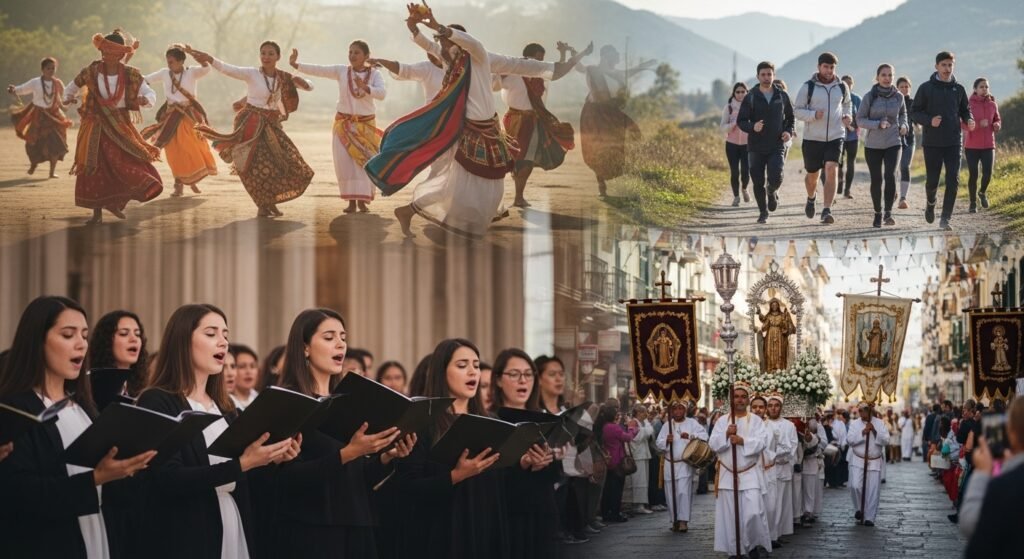
Physical movement such as dancing, running, and singing has been a vital part of sacred rituals worldwide for millennia.
These activities unite body, mind, and spirit, stimulating the original power of life and creativity. Processions and communal singing create shared energy, amplifying inspiration and a sense of belonging.
Such movements generate rhythmic vibration, which can dissolve mental barriers to creativity and evoke profound emotional expression.
By incorporating these sacred practices into daily life, creative individuals tap into ancient wisdom that reignites passion and opens new channels of imaginative thinking.
- Spiritual Communication: Sacred dances and processions act as a form of communication with deities, spirits, and ancestors, serving as embodied prayers that invite divine intervention, blessings, and guidance. They help bridge the physical and spiritual worlds through movement.
- Community and Cultural Cohesion: These rituals unite communities, reinforcing social bonds, shared identity, and cultural heritage. Processions and group singing amplify collective energy and offer a shared space for spiritual and creative expression.
- Healing and Transformation: Movement-based sacred practices like dancing and singing serve as healing rituals that address physical, emotional, and spiritual ailments. They provide structured emotional release and foster transformation through rhythm and embodiment.
- Symbolism and Storytelling: Dances and processions carry deep symbolic meaning, often narrating myths, cosmologies, and ancestral stories. Costumes, masks, and props used in these rituals embody divine figures or natural elements, enhancing the ritual’s spiritual power and cultural significance.
- Inducing Altered Consciousness: The repetitive rhythms, circular formations, and synchronized movements commonly found in these sacred practices can induce trance-like states or altered consciousness, opening paths to spiritual revelations and expanded creative awareness.
These points illustrate how dancing, running, singing, and processions are not only artistic acts but deeply sacred practices that nurture creativity, community, and spiritual connection.

Writing Rituals and the Act of Creativity
Writing rituals cultivate a sacred space where creative words flow effortlessly.
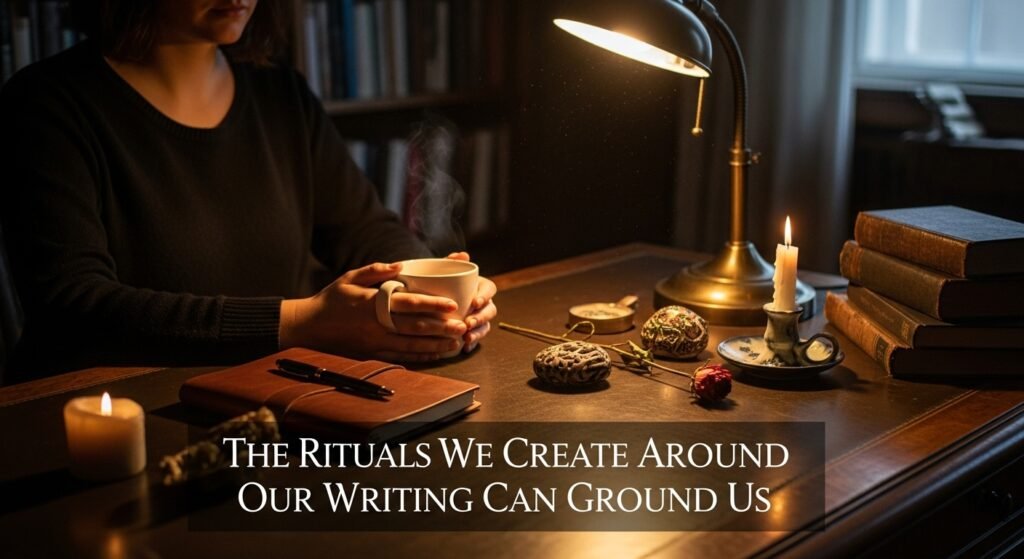
The rituals we create around our writing can ground us emotionally and mentally, fostering a sense of safety and focus.
Writers often engage with their craft through consistent pre-writing routines, mindful breathing, or lighting a candle to signal the start of work.
These actions signal commitment to the creative act and encourage presence, reducing distractions.
Writing rituals sharpen discipline while inviting spontaneity, unlocking fresh ideas and deep emotional honesty.
Ultimately, ritualizing writing connects the mind and spirit, enhancing the transformative power of words.
- Creates a Dedicated Creative Space: Writing rituals transform a physical space or mental state into a sacred creative zone, helping to block out distractions and focus attention on the act of writing.
- Signals the Brain to Enter Creative Mode: Rituals act as cues—such as lighting a candle, brewing tea, or playing specific music—that train the brain to switch into ‘writer mode,’ lowering the barrier to start writing.
- Provides Emotional and Mental Grounding: The consistent actions surrounding writing help ground scattered thoughts and emotions, calming anxiety and easing the transition into a creative flow.
- Encourages Presence and Mindfulness: Writing rituals bring awareness to the present moment, enhancing sensory perception and connection to the creative muse, making it easier to access inspiration.
- Establishes Discipline and Consistency: By repeating rituals before writing sessions, writers build productive habits that nurture long-term creative growth and reduce procrastination.
- Allows Personalization and Play: Effective rituals can be as unique and quirky as the writer, incorporating personal symbols or habits that enrich the creative experience and make starting fun and inviting.
These points highlight how writing rituals not only prepare the writer practically but also create a sacred container that nurtures creativity emotionally and spiritually.
The Rituals We Create Around Our Writing Can Ground Us
Creating rituals around writing helps anchor scattered thoughts and emotions, providing stability in the creative process.
These rituals may include preparing a special workspace, using a favorite pen or notebook, or beginning with reflective journaling.
Grounding rituals bring intention and reverence to the act of writing, helping writers feel connected to their creative purpose.
Over time, these repeated practices form comforting patterns that support mental clarity, focus, and emotional resilience.
Grounding rituals invite creative flow by creating space where inspiration feels welcomed and nurtured.
- Emotional Regulation: Writing rituals help externalize thoughts and feelings, providing stress relief and emotional release which regulate the nervous system and calm anxiety.
- Creating a Safe Space: Rituals surrounding writing create a mental and emotional sanctuary where writers feel safe to explore vulnerability and express authentic ideas without judgment.
- Increasing Presence and Focus: Repeated, intentional pre-writing actions like brewing tea or lighting a candle cultivate mindfulness, helping writers transition from chaos to calm and focus.
- Supporting Consistency: Grounding rituals build reliable routines that encourage daily writing practice and reduce resistance or procrastination over time.
- Promoting Self-Connection: These rituals foster a deeper connection with inner creativity and intention, supporting both healing and inspired expression.
- Managing Overwhelm: Grounding writing rituals help manage feelings of overwhelm or mental clutter by anchoring attention to the present moment through small mindful actions.
Together, these rituals provide a steady foundation of calm and presence that nourishes the creative process and supports sustained artistic growth.
Embracing Rituals that Blend the Mystical with the Artistic
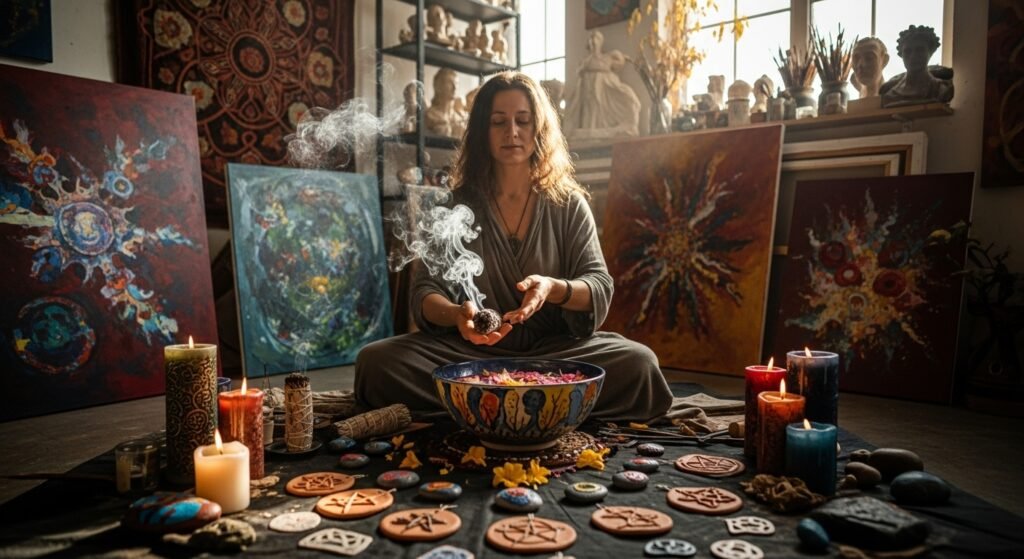
Embracing rituals that blend the mystical with the artistic deepens the creative experience, linking the conscious mind to the mysterious world of intuition and dreams.
These rituals incorporate mythical stories, sacred sounds, and symbolic objects such as crystals, herbs, or candles that evoke inspiration.
They harness natural cycles—moon phases, seasons, or solstices—to align creative work with universal rhythms.
This fusion of spirituality and artistry transforms ordinary moments into sacred acts, inviting a richer connection to imagination and inner wisdom.
- Symbolic Artistic Objects: Many artistic rituals use sacred objects such as masks, icons, or mandalas that not only showcase skill but carry deep mystical symbolism, serving as tools for spiritual communication and transformation.
- Invocation of Myth and Spirit: These rituals often incorporate myths and ancestral stories that connect the artist to divine energies or cosmic principles, enriching the creative act with layers of meaning and purpose.
- Use of Natural Elements and Symbols: Integrating natural objects like crystals, herbs, and candles into artistic rituals grounds creativity in the earth’s energy, linking mystical intention with physical reality.
- Meditative and Transcendent Focus: Mystical artistic rituals encourage states of meditation, trance, or altered consciousness, allowing artists to transcend ordinary perception and access profound creative insights.
- Bridging the Material and Spiritual: These rituals serve as a bridge between the visible artistic expression and invisible spiritual realms, transforming ordinary artworks into sacred manifestations of inner vision and mystical experience.
Blending mysticism with artistry transforms creative practice into a sacred ceremony that honors both inner intuition and universal connection, enriching the artistic process with spiritual depth and transformative power.
Exploring Sacred Rituals Examples in Daily Life
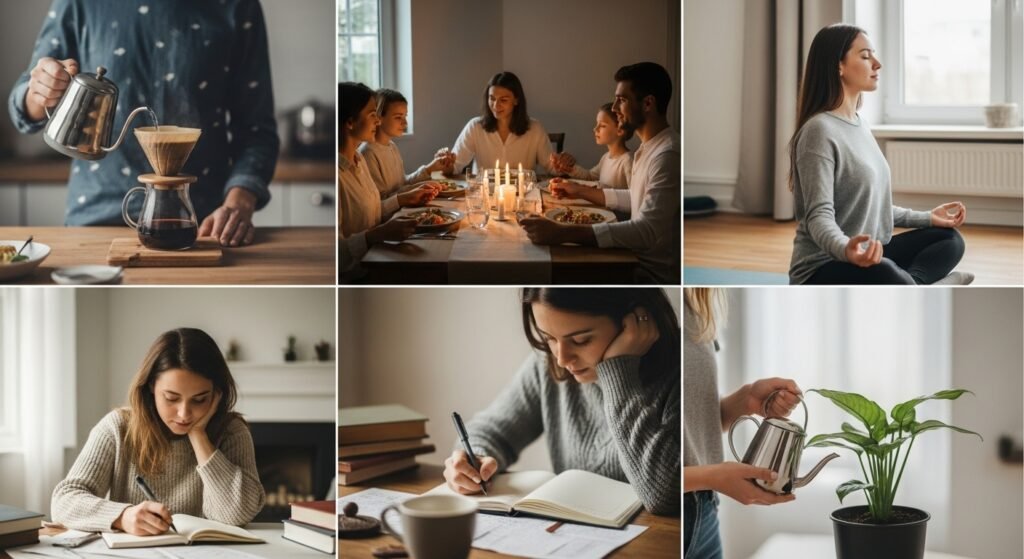
Sacred rituals examples abound in diverse cultures and personal practices. From morning sun salutations to gratitude journaling, these rituals enrich daily routines.
Others include smudging with sacred herbs, chanting mantras, or engaging in community circle sharing.
Each ritual has unique elements—myths, sounds, ritual activity, people, and natural objects—that create a powerful environment for transformation.
By adapting these examples, creative individuals foster a deeper connection with themselves and the world around them, making creativity a living sacred practice.
- Lighting Candles or Incense: Lighting a candle or burning incense during meditation, prayer, or creative work is a common sacred ritual that creates a peaceful, focused ambiance and marks a transition into sacred time.
- Saying Grace Before Meals: Expressing gratitude before eating connects individuals to the nourishment and the source of their food, transforming a routine act into a mindful ritual.
- Smudging with Sage or Herbs: Burning sage or other herbs to clear energy is a ritual practice rooted in many Indigenous cultures, promoting purification and mindfulness in everyday settings.
- Gratitude Journaling: Writing daily gratitude lists is a grounding ritual that nurtures appreciation, positive mental states, and creative openness.
- Morning Mindfulness Practices: Starting the day with intentional breathing, affirmations, or short meditations brings awareness and intention to daily rituals, transforming ordinary actions into moments of sacred creativity.
- Creating a Sacred Space or Altar: Arranging meaningful natural objects like stones, flowers, or photos in a dedicated space to honor creativity or spiritual intention fosters connection and reverence.
- Participating in Seasonal or Community Ceremonies: Observing solstices, equinoxes, or cultural festivals links daily life with natural cycles and communal energy, enriching personal sacred rituals.
- Using Ritual Sounds: Incorporating chants, bells, or singing bowls into daily practice enhances focus and connects participants to vibrational energy.
- Movement Rituals: Simple daily dancing, walking, or stretching with mindful intention grounds energy and awakens creative flow.
- Offering Intentions or Affirmations: Setting clear intentions or repeating affirmations during daily tasks fosters mindfulness and a creative mindset.
These everyday sacred rituals invite mindful presence, grounding, and connection, creating fertile ground for inspiration and creativity in daily life.
An Introduction to Lectio Divina: A Four-Step Reading Practice
Lectio Divina is a four-step sacred reading practice that invites contemplative creativity. It involves reading (lectio), meditation (meditatio), prayer (oratio), and contemplation (contemplatio).
This ritual slows down the mind, allowing words and ideas to permeate deeply.
Used traditionally with spiritual texts, Lectio Divina also supports any creative practice where reflection fuels inspiration.
Its rhythmic pace nurtures stillness and intuitive insight, ideal for writers, artists, and creators seeking to awaken inner wisdom through sacred ritual.
- Reading (Lectio): The first step involves slowly and attentively reading a passage, focusing on understanding its literal meaning. This requires a quiet mind and careful concentration to absorb the essence of the text, often reading it multiple times to fully internalize the words.
- Meditation (Meditatio): After reading, one reflects deeply on the passage, pondering its message and how it resonates personally. This isn’t just intellectual analysis but attentive listening to what meaning or insight the text reveals beneath the surface.
- Prayer (Oratio): This step is a heartfelt dialogue in response to the passage. It involves praying or expressing one’s feelings, questions, and gratitude to the Divine, fostering emotional connection and surrender.
- Contemplation (Contemplatio): The final stage invites silent resting in the presence of the Divine, beyond words and thoughts. It’s a state of deep communion and spiritual union, where one simply “is” in the experience of grace and love, opening to transformation.
Lectio Divina is a meditative and prayerful practice that not only deepens understanding of sacred texts but also nurtures creative insight and spiritual growth through its slow, reflective rhythm.
Practical Tips for Creating Your Own Sacred Creative Rituals
- Start small: incorporate simple actions like lighting a candle or quiet breathing before creating.
- Use natural objects like stones, herbs, or flowers to create a ritual altar.
- Choose sounds that inspire, such as singing bowls or soft chants.
- Incorporate movement: dance, walk, or stretch to awaken the body and mind.
- Write intentions or affirmations to focus and ground your creative energy.
- Experiment with timing rituals to align with phases of the moon or seasons.
- Invite others to share in rituals to amplify collective inspiration.
- Stay open to spontaneity, allowing rituals to evolve naturally.
- Reflect on how rituals affect your creativity and adjust accordingly.
- Keep a ritual journal to document insights and deep connections.
FAQ: Common Questions About Creative Rituals and Sacred Practices
- What does sacred practice mean in creativity?
It means engaging rituals that connect mind, body, and spirit to inspire and ground creative work. - What are some sacred rituals examples?
Examples include smudging, chanting, dancing, singing, prayer, and communal processions. - How do rituals help with creativity?
Rituals create structure and mindfulness, reducing distractions and opening access to flow states. - Can dancing and running be sacred creative practices?
Yes, these movements unite body and spirit, stimulating life energy and creative expression. - What is the role of writing rituals?
Writing rituals prepare the mind and heart, fostering consistent inspiration and focused work. - How does Lectio Divina support creativity?
This four-step reading practice deepens reflection and intuition, sparking fresh ideas. - What natural objects are used in sacred rituals?
Stones, herbs, candles, flowers, and water are common objects enhancing connection. - Can sacred rituals blend mythology with creativity?
Absolutely, myths enrich rituals by linking personal creation with universal stories. - How often should I perform creative rituals?
Daily or regular practice builds momentum and deepens connection to inspiration. - Can groups practice sacred rituals together?
Yes, shared rituals amplify energy and foster community creativity.
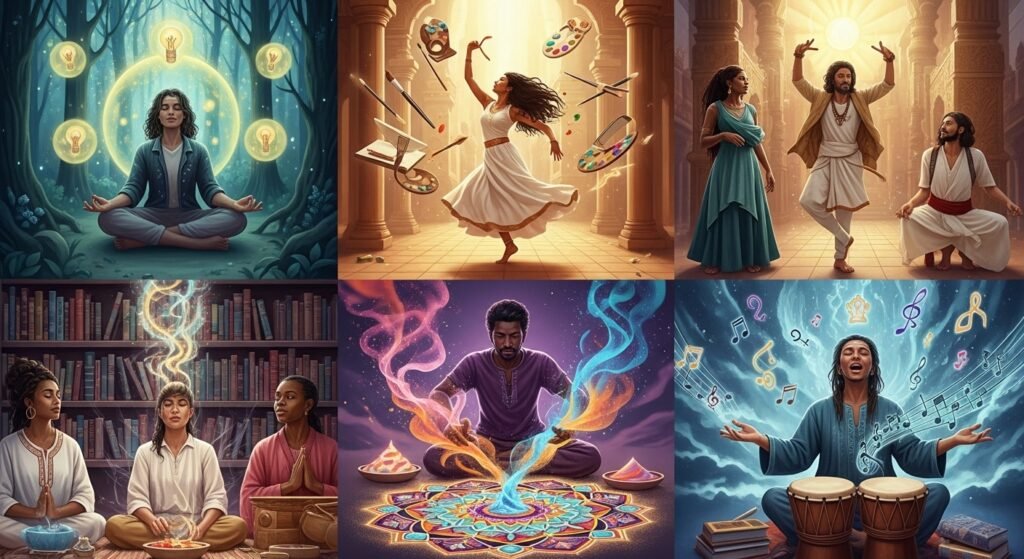
Table: Examples of Sacred Rituals and Their Creative Benefits
| Sacred Ritual | Description | Creative Benefit |
|---|---|---|
| Dancing & Singing | Rhythmic movement and vocal expression | Releases energy, evokes inspiration |
| Writing Rituals | Pre-writing preparation and reflection | Grounds focus, sparks ideas |
| Smudging with Herbs | Burning sage or palo santo | Clears space, promotes clarity |
| Processions and Ceremonies | Group movement and ritual acts | Builds community, amplifies energy |
| Lectio Divina | Focused sacred reading practice | Deepens intuition, stimulates insight |
| Creating a Ritual Altar | Arranging meaningful natural objects | Enhances mindfulness, symbolic depth |
Conclusion
Creative rituals are more than habits—they are sacred practices that nurture the soul and awaken daily inspiration. By blending movement, myth, writing, and sacred sounds with natural elements, you create a rich tapestry of ritual that fuels your creative life. Embrace these powerful practices to cultivate lasting creative flow and profound connection to your artistic spirit.