
Your mindset is the foundation of your reality, shaping how you face challenges, embrace opportunities, and create your life’s trajectory.
Preparing your mindset for growth isn’t just about positive thinking; it’s about intentional practices that cultivate resilience, curiosity, and empowerment.
Discover 12 empowering ways to prepare your mindset and unlock a thriving, growth-oriented life filled with purpose and potential.
Table of Contents
- Embrace a Growth Mindset Philosophy
- Set Clear, Meaningful Goals
- Practice Daily Positive Affirmations
- Develop Emotional Intelligence
- Cultivate Curiosity and Lifelong Learning
- Build Resilience through Adversity
- Surround Yourself with Growth-Minded People
- Prioritize Self-Care and Mental Wellness
- Use Visualization and Mental Rehearsal
- Accept Failure as a Learning Opportunity
- Establish Consistent Reflection Practices
- Take Inspired Action with Accountability

Embrace a Growth Mindset Philosophy
Preparing your mindset begins with adopting the belief that your abilities and intelligence can be developed through effort and learning.
This growth mindset encourages seeing challenges as opportunities rather than obstacles.
It nourishes motivation and perseverance, reshaping your identity from fixed traits to evolving potential.
By embracing this philosophy, you open pathways to continuous improvement and deep self-compassion even when progress feels slow.
It transforms setbacks into lessons and activates a proactive approach to life’s uncertainties.
Key Actions to Adopt a Growth Mindset
- Acknowledge fixed mindset triggers
- Reframe negative self-talk positively
- Celebrate effort over outcome
- Seek feedback constructively
- View challenges as chances to learn
- Focus on progress, not perfection
- Cultivate self-compassion
- Read stories of growth and transformation
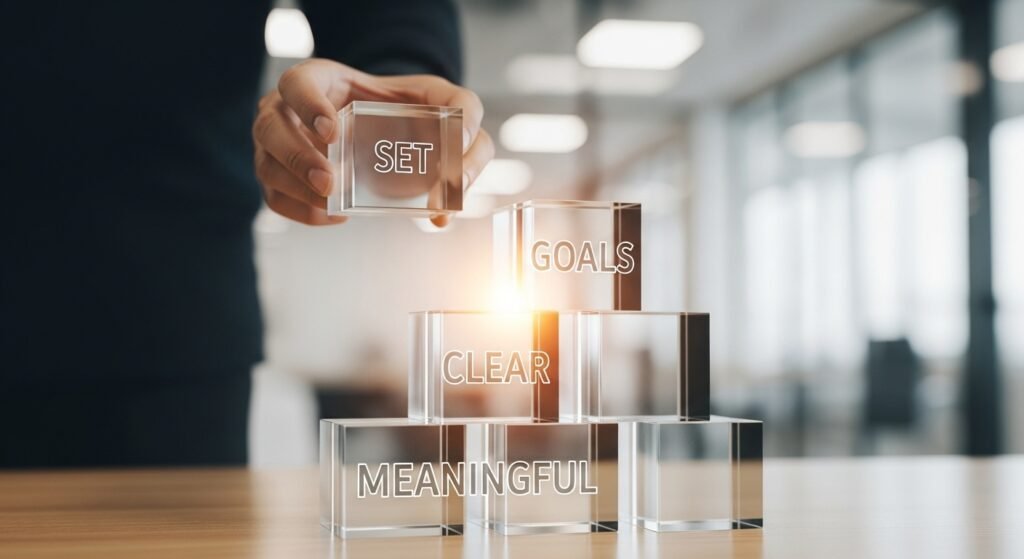
Set Clear, Meaningful Goals
Goals provide direction and motivation, fueling momentum in your growth journey.
Preparing your mindset to create a growth-oriented life involves setting clear, purposeful goals aligned with your values and passions.
These goals should be specific, measurable, achievable, relevant, and time-bound (SMART).
Clear goals break down big aspirations into manageable steps, reduce overwhelm, and keep you accountable.
They anchor your focus and cultivate confidence as you track incremental successes.
Best Practices for Goal Setting
- Define short-term and long-term goals
- Align goals with your core values
- Write goals down and review regularly
- Set realistic timelines
- Break goals into smaller tasks
- Visualize successful achievement
- Adjust goals as needed
- Celebrate milestones authentically

Practice Daily Positive Affirmations
Daily positive affirmations are powerful tools for rewiring self-beliefs and preparing your mindset for growth.
Affirmations are positive statements that replace limiting thoughts and reinforce empowering beliefs about your capabilities, worth, and potential.
By consciously repeating affirmations, you nurture self-confidence and shift unconscious patterns that hold you back.
This daily practice closes the gap between where you are and where you want to grow.
Tips for Effective Affirmations
- Use present tense, positive language
- Make affirmations specific and personal
- Repeat in the morning and evening
- Combine with visualization
- Write or say aloud with emotion
- Customize affirmations for current needs
- Create reminder cues in your environment
- Track shifts and adjust affirmations

Develop Emotional Intelligence
Emotional intelligence (EI) — recognizing, understanding, and managing your emotions and those of others — plays a vital role in preparing your mindset.
High EI boosts resilience, empathy, communication, and decision-making, essential for a growth-oriented life.
Developing EI helps you respond thoughtfully rather than react impulsively to challenges, nurturing deeper relationships and healthier self-awareness.
It bridges your mind and heart, facilitating holistic personal growth.
Ways to Build Emotional Intelligence
- Practice mindful emotional awareness
- Reflect on emotional triggers
- Use journaling to process feelings
- Develop empathy by active listening
- Learn conflict resolution skills
- Manage stress through breathwork
- Seek constructive feedback
- Build healthy boundaries

Cultivate Curiosity and Lifelong Learning
Preparing your mindset for growth requires fueling your curiosity and commitment to lifelong learning.
Curiosity expands your horizons and invites fresh perspectives, while ongoing learning equips you with skills and wisdom to adapt and thrive.
Approach life as a continuous student, open to exploring new ideas and welcoming challenges as learning opportunities.
This mindset keeps you agile, innovative, and engaged.
Habits to Foster Curiosity
- Ask open-ended questions often
- Explore diverse knowledge sources
- Develop new skills regularly
- Attend workshops or seminars
- Read widely across subjects
- Engage in meaningful conversations
- Experiment with new hobbies
- Reflect on lessons learned

Build Resilience through Adversity
Resilience is the capacity to bounce back from setbacks and stay committed to growth.
Preparing your mindset includes strengthening resilience by reframing adversity as an essential part of success, not a block to it.
Resilience sharpens problem-solving and emotional stamina while reinforcing your belief in incremental growth.
It transforms stressful life moments into opportunities for inner expansion.
Strategies for Building Resilience
- Practice stress management techniques
- Develop a support network
- Maintain optimism balanced with realism
- Set flexible goals to adapt
- Focus on controllable factors
- Learn from past challenges
- Cultivate gratitude daily
- Maintain physical health

Surround Yourself with Growth-Minded People
Your social environment deeply influences your mindset.
Preparing your mindset for growth means surrounding yourself with people who inspire, challenge, and encourage learning and development.
Growth-minded relationships provide accountability, fresh perspectives, and emotional support.
They nourish your ambitions and cultivate positivity, helping you sustain motivation and growth.
Ways to Curate Growth-Minded Circles
- Identify inspiring mentors and peers
- Join personal development groups
- Share goals openly for accountability
- Limit relationships with negativity
- Collaborate on learning projects
- Engage in regular uplifting conversations
- Attend growth-oriented events
- Support others’ growth journeys
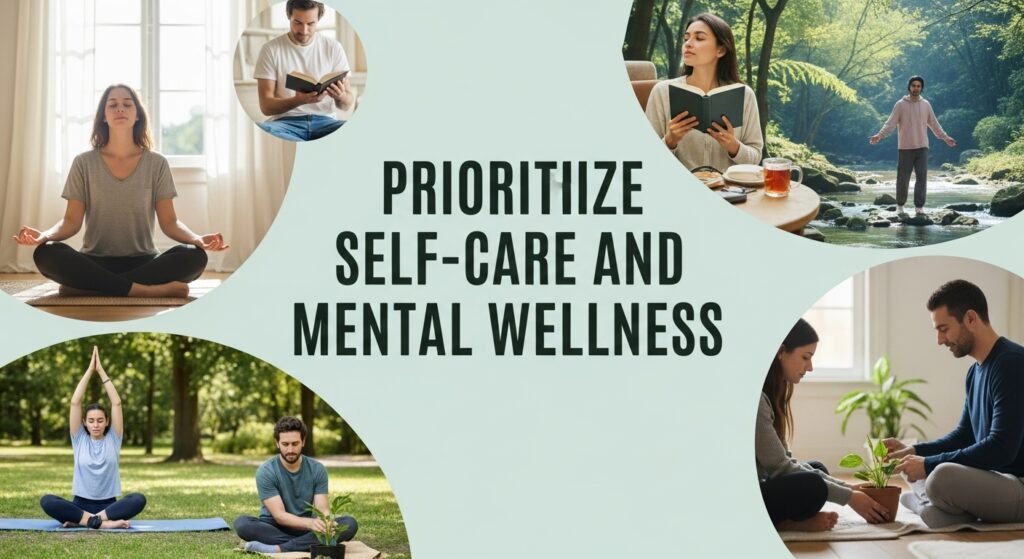
Prioritize Self-Care and Mental Wellness
Self-care is the foundation for a growth-oriented mindset because it replenishes energy, fosters clarity, and reduces burnout.
Preparing your mindset necessitates prioritizing both mental and physical wellness through consistent self-care.
When you care for yourself holistically, your mind becomes clearer and more receptive to learning, while your emotions stabilize and empower you to face growth challenges resiliently.
Self-Care Practices to Embrace
- Establish daily routines for sleep and rest
- Practice nutritional mindfulness
- Include physical movement, like walking or yoga
- Use meditation and relaxation methods
- Set boundaries to protect energy
- Engage in hobbies that bring joy
- Seek professional counseling as needed
- Limit screen time and distractions

Use Visualization and Mental Rehearsal
Visualization is a potent mental tool to prepare your mindset.
Imagining success and rehearsing positive outcomes trains your brain for achievement and reduces anxiety related to new challenges.
Mental rehearsal strengthens motivation, boosts confidence, and reinforces neuroplasticity enabling mindset change toward growth.
How to Practice Visualization
- Find a quiet, comfortable space
- Close your eyes and breathe deeply
- Picture specific goals vividly
- Engage all senses in visualization
- Imagine overcoming obstacles confidently
- Repeat visualization daily
- Combine with affirmations
- Reflect on emotional sensations
Accept Failure as a Learning Opportunity
Reframing failure as feedback rather than defeat is essential for a growth-oriented mindset. Preparing your mindset includes embracing mistakes as valuable lessons that guide improvement and deepen self-awareness.
This approach reduces fear of failure and encourages risk-taking, critical for achieving transformative growth.
Tips for Embracing Failure
- Separate self-worth from outcomes
- Analyze failures objectively
- Identify lessons and apply them
- Reframe “failure” language positively
- Share struggles with trusted peers
- Maintain persistence despite setbacks
- Celebrate progress alongside failures
- Practice self-forgiveness

Establish Consistent Reflection Practices
Reflection fosters self-awareness and helps track developmental progress.
Preparing your mindset means integrating regular reflection into daily or weekly routines through journaling, meditation, or contemplative practice.
Reflection clarifies lessons learned, uncovers patterns, and realigns actions with goals, reinforcing growth-oriented behaviors.
Effective Reflection Methods
- Keep a growth journal
- Use prompts like “What did I learn today?”
- Practice reflective meditation
- Review weekly accomplishments and challenges
- Set intentions for improvement
- Use mood or progress trackers
- Seek feedback and ponder it
- Engage in solitary retreats or silence

Take Inspired Action with Accountability
Action is the bridge connecting mindset preparation and real-life growth.
Preparing your mindset includes committing to inspired, consistent action fueled by reflection and learning.
Holding yourself accountable—through tracking, partnerships, or mentors—ensures follow-through and reinforces your growth trajectory.
Ways to Stay Accountable
- Break tasks into daily actionable steps
- Share goals with a trusted person
- Set deadlines and reminders
- Track progress visually (charts, apps)
- Reward milestones
- Reflect on obstacles honestly
- Reassess strategies as needed
- Celebrate consistency over perfection
Detailed Table: Comparison of Mindset Preparation Techniques
| Method | Focus Area | Key Benefits | Time Commitment | Tools/Resources | Ideal Frequency | Accessibility | Growth Impact Level |
|---|---|---|---|---|---|---|---|
| Growth Mindset Philosophy | Mindset beliefs | Resilience, motivation, optimism | Ongoing | Books, coaches, journaling | Daily mindfulness | Very accessible | Very High |
| Goal Setting | Focus and direction | Clarity, motivation, momentum | 30-60 minutes per session | Goal planners, apps | Weekly or monthly | Highly accessible | High |
| Positive Affirmations | Self-talk and belief | Confidence, reprogramming mindset | 5-10 minutes daily | Written or audio affirmations | Daily | Very accessible | High |
| Emotional Intelligence | Awareness, empathy | Better communication, empathy | 15-30 minutes practice | Journals, emotional coaching | Daily or weekly | Accessible | High |
| Curiosity & Learning | Cognitive growth | Adaptability, innovation | Variable | Courses, books | Ongoing | Moderate | Very High |
| Resilience Building | Stress management | Mental toughness, perseverance | 10-20 minutes daily | Meditation, support groups | Daily | Accessible | High |
| Growth-Minded Environment | Social influence | Support, motivation | Varies | Networking groups | Ongoing | Moderate | Moderate to High |
| Self-Care & Wellness | Physical & mental | Energy, clarity, emotional balance | Variable | Wellness apps, resources | Daily | Very accessible | Very High |
| Visualization | Mental rehearsal | Confidence, motivation | 5-15 minutes daily | Quiet space, audio guides | Daily | Very accessible | Moderate to High |
| Accepting Failure | Mindset reframe | Reduced fear, resilience | Ongoing | Reflection, peer support | Ongoing | Very accessible | High |
| Reflection Practices | Self-awareness | Clarity, adjustment | 10-20 minutes daily | Journals, meditation | Daily or weekly | Very accessible | High |
| Inspired Action & Accountability | Execution | Follow-through, results | Varies | Apps, accountability partners | Daily or weekly | Very accessible | Very High |
Inspirational Quotes on Preparing Your Mindset
- “Whether you think you can or you think you can’t, you’re right.” — Henry Ford
- “Your mindset determines your reality.” — Unknown
- “Success is the sum of small efforts, repeated day in and day out.” — Robert Collier
- “It’s not that I’m so smart, it’s just that I stay with problems longer.” — Albert Einstein
- “You don’t have to be great to start, but you have to start to be great.” — Zig Ziglar
- “What lies behind us and what lies before us are tiny matters compared to what lies within us.” — Ralph Waldo Emerson
- “The greatest weapon against stress is our ability to choose one thought over another.” — William James
- “Act as if what you do makes a difference. It does.” — William James
Frequently Asked Questions About Preparing Your Mindset
- What does it mean to prepare your mindset?
Preparing your mindset means intentionally developing beliefs, habits, and attitudes that support growth, resilience, and positive change. - Can mindset preparation improve mental health?
Yes, techniques like emotional intelligence development, mindfulness, and self-care foster mental wellness and stress management. - How long does it take to develop a growth mindset?
It varies, but consistent practice over weeks or months leads to meaningful shifts in mindset. - Are affirmations scientifically effective?
Research shows positive affirmations can reduce stress and self-doubt when practiced regularly. - Can failure really support growth?
Yes, reframing failure as feedback reduces fear and enhances learning and persistence. - Is visualization useful in goal achievement?
Visualization primes the brain for success and increases motivation toward goals. - How important is social environment in mindset growth?
Very important; supportive, growth-focused relationships bolster motivation and accountability. - What reflection practices are best?
Journaling, meditation, and mindful self-inquiry are effective reflection methods. - Can mindset preparation be self-taught?
Absolutely, with books, courses, and journaling anyone can begin preparing their growth-oriented mindset. - How do I maintain momentum in mindset growth?
Set goals, use accountability partners, celebrate progress, and regularly revisit your ‘why’.
Conclusion
Preparing your mindset to create a growth-oriented life is a powerful journey of inner transformation and outer manifestation.
By adopting empowering beliefs, setting meaningful goals, practicing positive affirmations, and cultivating emotional intelligence, curiosity, and resilience, you build a foundation for lasting success and fulfilment.
Surrounding yourself with supportive people, prioritizing self-care, visualizing success, embracing failure, reflecting regularly, and committing to inspired action honor the interconnected aspects of growth.
Mindset preparation is not a one-time achievement but a lifelong practice to evolve, adapt, and thrive.
Start today with one or two of these empowering ways, and watch as your life expands into the growth-oriented path you desire. Your mindset is the key—nurture it, and you unlock your true potential.