Unlock the transformative power of presence & embodiment to experience true inner freedom like never before.
When you fully inhabit the present moment and connect deeply with your body and emotions, you break free from limiting patterns and discover a profound sense of peace, clarity, and authentic living.
This journey toward presence and embodiment is the key to unlocking your true self and embracing lasting liberation.
Introduction: Why Presence and Embodiment Are Keys to Inner Freedom
In today’s fast-paced and often overwhelming world, many people in the United Kingdom, USA, and beyond are seeking deeper ways to find peace, clarity, and authentic freedom within themselves.
Unlocking the transformative power of presence and embodiment offers a profound and practical path toward true inner freedom.
Presence refers to the intentional awareness of the here and now — fully connecting with the present moment without distraction or judgment.
Embodiment involves fully inhabiting your body and emotions, allowing all aspects of your being to unite authentically.
Together, these empower you to live with awareness, groundedness, and liberation from mental and emotional patterns that limit you.
This blog explores how cultivating presence and embodiment through accessible practices leads to lasting transformation, emotional resilience, and spiritual awakening.
Table of Contents
- Understanding Presence: What It Is and Why It Matters
- Exploring Embodiment: The Essence of Full Being
- The Connection Between Presence, Embodiment, and Inner Freedom
- Longtail Keywords: Presence techniques for anxiety relief
- How Mindfulness Meditation Cultivates Presence
- Embodiment Practices to Ground Your Awareness
- Body Awareness Exercises for Emotional Release
- Using Breathwork to Enhance Presence and Embodiment
- The Role of Movement and Somatic Therapy
- How Presence & Embodiment Improve Mental Health
- Integrating Presence and Embodiment into Daily Life
- Common Challenges and How to Overcome Them
- Frequently Asked Questions (FAQs)
- Conclusion: Embracing Your Path to True Inner Freedom
Understanding Presence: What It Is and Why It Matters
Presence is the conscious decision to direct your awareness to the current moment, experiencing life fully without distraction or attachment to past or future.
It is the foundation of many contemplative practices like mindfulness and meditation.
Presence enables you to see yourself and your surroundings clearly, fostering clarity and reducing stress.
In a culture often dominated by multitasking and mental overwhelm, practicing presence is like finding an oasis of calm.
It allows you not only to observe your thoughts and emotions but to respond consciously rather than react unconsciously.
This shift creates space for authentic choice and liberation from habitual patterns.
Presence helps you reconnect with your core self, providing a solid anchor amid life’s fluctuations.
- Presence increases emotional regulation.
- It enhances self-awareness and decision-making.
- Cultivates a sense of peace and groundedness.
- Reduces rumination and anxiety.
- Improves focus and cognitive clarity.
- Facilitates authentic connection with others.
- Encourages acceptance of what is.
Cultivating presence is the gateway to living fully awake and free.
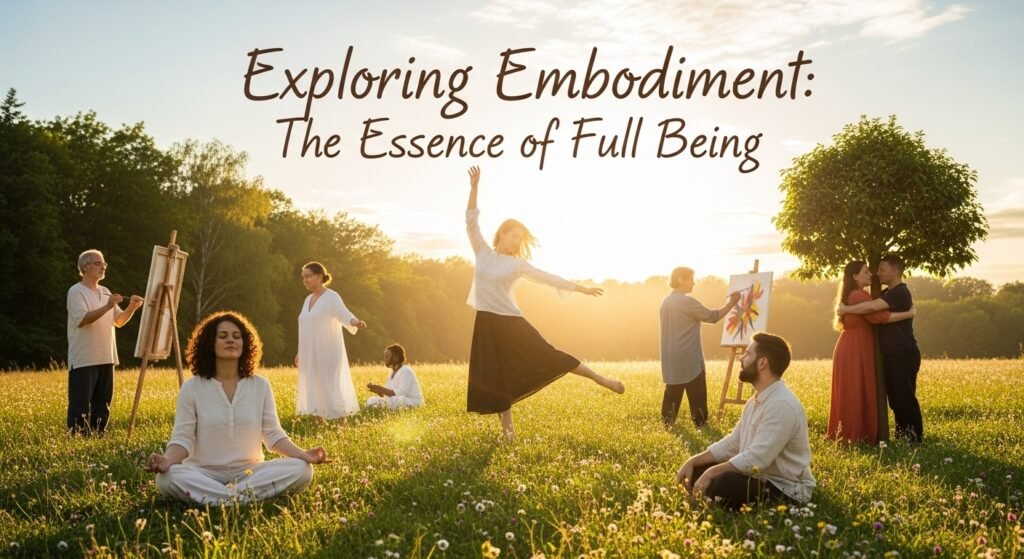
Exploring Embodiment: The Essence of Full Being
Embodiment is about inhabiting your body and emotional experience in a way that’s vivid, grounded, and integrated.
It means moving beyond the mind’s abstractions and judgments to feel your emotions, senses, physical sensations, and intuition in real time.
Embodiment nurtures a profound connection between mind, body, and spirit.
When you are embodied, you are fully present in your physical form—not just existing but living deeply with all your senses engaged.
This wholeness cultivates personal power, healing, and vitality.
For many, disembodiment (being disconnected from the body or emotions) leads to numbness, dissociation, or chronic stress.
Living embodied supports authenticity, emotional expression, and resilience in the face of challenges.
- Embodiment enhances emotional intelligence.
- Strengthens the nervous system’s ability to regulate stress.
- Supports authentic expression and creativity.
- Promotes healing from trauma through somatic awareness.
- Deepens connection to intuition and inner guidance.
- Encourages presence within the body’s wisdom.
- Facilitates meaningful interpersonal relationships.
Embodiment transforms fragmented experience into wholeness and freedom.
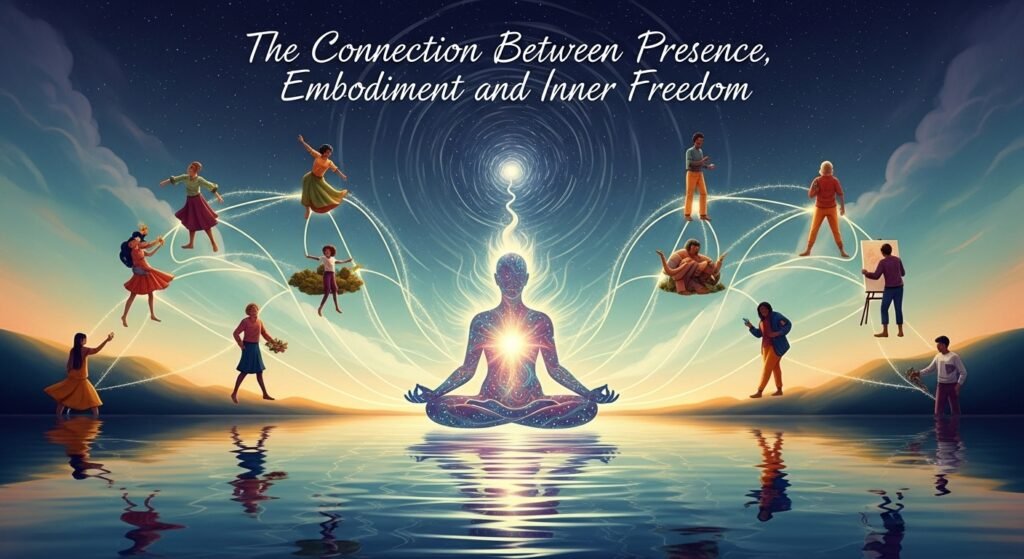
The Connection Between Presence, Embodiment, and Inner Freedom
True inner freedom arises when presence and embodiment merge, creating a lived experience where you are fully awake and deeply connected to your being.
Presence alone without embodiment might feel detached or intellectualized; embodiment without presence can become reactive or unconscious.
Together, they create mindful awareness grounded in body sensations, emotions, and energy flow.
This combination dissolves limiting patterns such as anxiety, shame, or dissociation—offering liberation from conditioned fears and automatic reactions.
Inner freedom is not a destination but an ongoing process of continually coming back to your embodied presence in each moment.
This freedom reveals itself as peace, clarity, emotional balance, and the ability to choose your responses consciously.
- Presence grounds awareness in the here-and-now.
- Embodiment connects awareness emotionally and physically.
- Together, they overcome habitual unconscious reactions.
- Cultivate a resilient, creative, and joyful life stance.
- Allow for conscious choice over fear-driven behavior.
- Provide a path for healing and self-acceptance.
- Foster deeper connection to oneself and others.
Unlocking this synergy offers a doorway to sustained inner liberation.
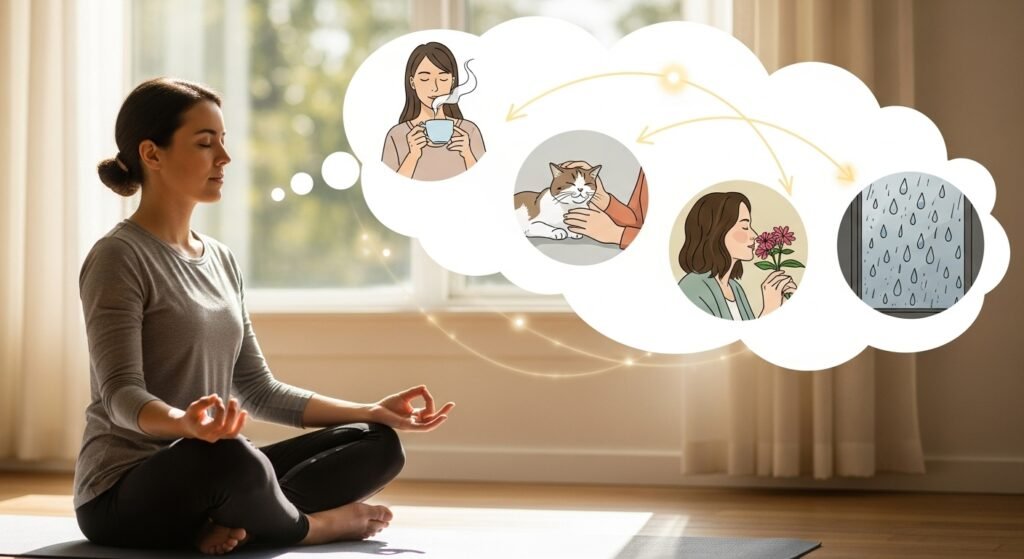
Presence Techniques for Anxiety Relief
Using presence techniques specifically to relieve anxiety is a growing and effective approach in mental health and wellness.
“Presence techniques for anxiety relief” or “Mindfulness practices to reduce stress” reflect an increasing interest in practical tools that calm the nervous system.
Presence techniques for anxiety typically focus on bringing attention fully to present sensations, such as breath or bodily feelings, helping break cycles of worry and fear.
This approach is well-suited to people, facing pervasive stress, work pressure, and uncertainty.
Cultivating presence reduces cognitive distortions and over-identification with anxious thoughts by anchoring you in facts rather than fear-induced stories.
- Recognizing anxious thoughts as passing mental events.
- Focusing on breath sensations to calm the autonomic nervous system.
- Using grounding exercises like feeling your feet on the floor.
- Applying gentle curiosity to emotional experience rather than resistance.
- Transitioning from imagined futures back to present reality.
- Employing body scans to identify tension and release it.
- Building consistent mindfulness habits for sustained relief.
When practiced regularly, presence techniques become powerful natural anxiety remedies.
How Mindfulness Meditation Cultivates Presence
Mindfulness meditation is one of the most accessible and scientifically supported methods for cultivating presence.
By intentionally focusing your attention on the breath, body sensations, or sounds, you develop the ability to observe without judgment the flow of experience.
This practice trains your brain to remain engaged with the here and now, reducing distraction and emotional reactivity.
Over time, mindfulness meditation rewires neural pathways, fostering emotional regulation, empathy, and resilience.
It is widely used in therapeutic settings for conditions such as anxiety, depression, and PTSD due to its ability to foster calm awareness.
For people seeking true inner freedom, mindfulness unlocks the doorway to direct experience, liberating you from mental noise and allowing authentic presence to emerge.
- Regular practice improves attentional control.
- Encourages non-reactive observation of thoughts and feelings.
- Enhances neuroplasticity in areas governing self-regulation.
- Fosters acceptance of experience rather than avoidance.
- Contributes to reduced stress hormones and improved immunity.
- Cultivates compassion and self-awareness.
- Offers immediate tools to return to present moment in daily life.
Mindfulness meditation is a foundational pillar for unlocking presence.
Embodiment Practices to Ground Your Awareness
Embodiment practices focus on connecting mind and body through sensory and movement awareness.
These practices help you inhabit your physical self fully and feel grounded.
Techniques include body scanning, grounding exercises, movement arts like yoga or tai chi, and somatic therapy.
Such practices release blockages in energy flow, reduce tension, enhance self-regulation, and restore connection between cognition and sensation.
Embodiment is essential not only for emotional health but also for creativity, motivation, and vitality.
By cultivating embodiment regularly, you create a stable foundation for conscious presence and inner freedom.
- Body scan meditation to notice sensations without judgment.
- Grounding by feeling physical contact points with the environment.
- Movement practices like mindful walking or dance.
- Breath awareness integrated with motion.
- Somatic experiencing to resolve trauma stored in the body.
- Progressive muscle relaxation to ease physical tension.
- Sensory immersion, such as focusing on textures or sounds.
Embodying your awareness roots presence in lived reality.
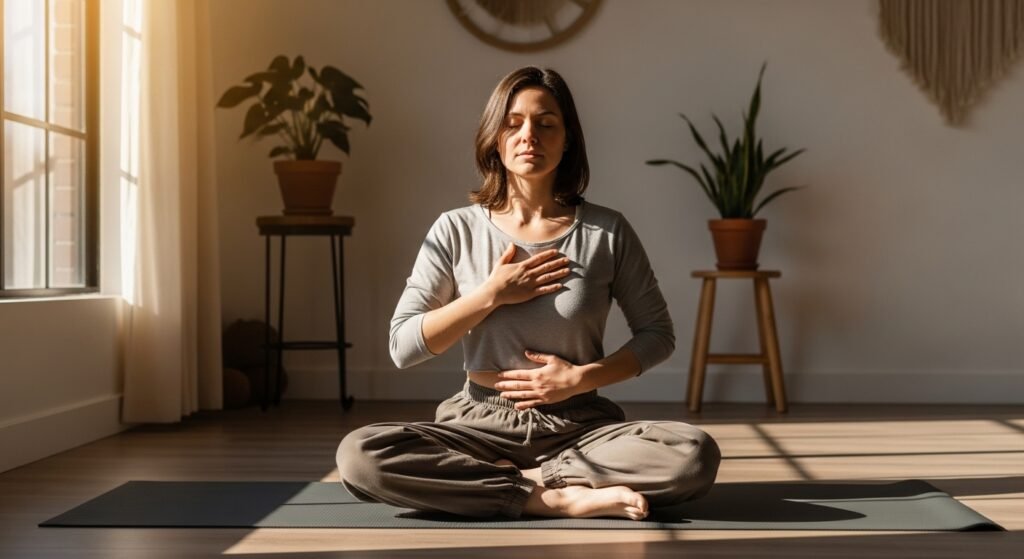
Body Awareness Exercises for Emotional Release
Increasing body awareness is a powerful way to access and release stored emotions that can obstruct freedom.
Many emotional experiences imprint physical sensations such as tightness, heat, or tingling.
Recognizing these sensations without judgment allows suppressed feelings to move through instead of becoming stuck.
Exercises such as diaphragmatic breathing, gentle stretching, and mindful sensation tracking help free emotional energy.
These techniques support trauma healing and reduce chronic stress.
Incorporating regular body awareness exercises builds emotional resilience and deepens your connection with present experience.
- Noticing where emotions manifest physically.
- Using breath to soften tight or contracted areas.
- Gentle movement to release pent-up energy.
- Naming emotions associated with bodily sensations.
- Progressive relaxation to ease stored stress.
- Mindful observation of discomfort without avoidance.
- Grounding practices to stabilize after release.
Body awareness is an essential skill for embodied emotional freedom.
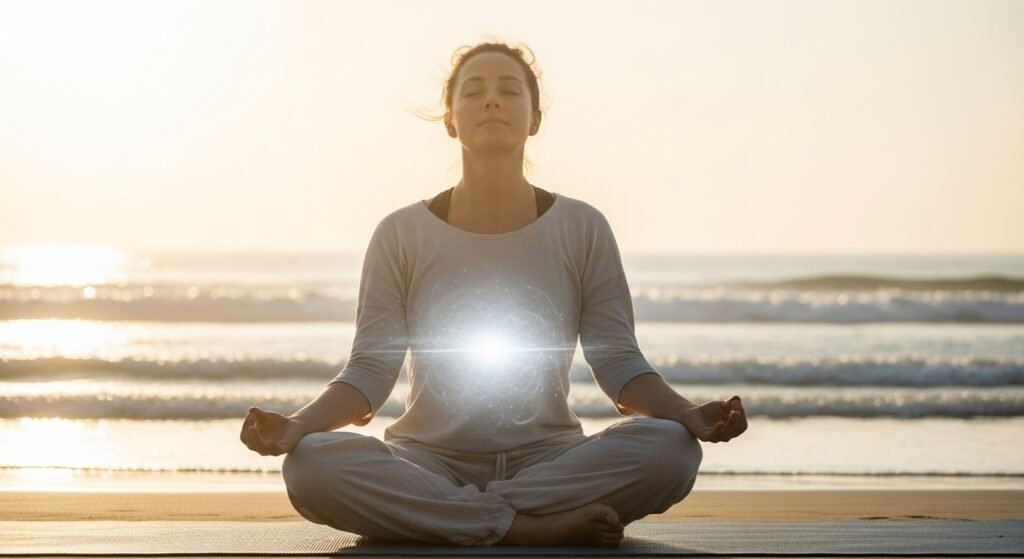
Using Breathwork to Enhance Presence and Embodiment
Breathwork is a versatile and direct way to bring yourself into greater presence and embodiment.
Conscious breathing techniques influence the autonomic nervous system, shifting you from fight-or-flight into relaxation and receptivity.
Breath-focused practices increase oxygenation, calm the mind, and enhance body awareness simultaneously.
From simple deep belly breathing to more advanced methods like box breathing or coherent breathing, breathwork supports emotional balance and energetic clarity.
It is accessible and can be practiced anywhere, making it a cornerstone for anyone seeking true inner freedom through presence and embodiment.
- Deep diaphragmatic breathing to promote calm.
- Box breathing for structured nervous system regulation.
- Alternate nostril breathing to balance hemispheres.
- Breath counting to anchor attention.
- Coherent breathing to synchronize heart and breath rhythms.
- Breath-holding variations for energetic shifts.
- Combining breathwork with mindful movement.
Breathwork is the bridge between mind, body, and spirit.
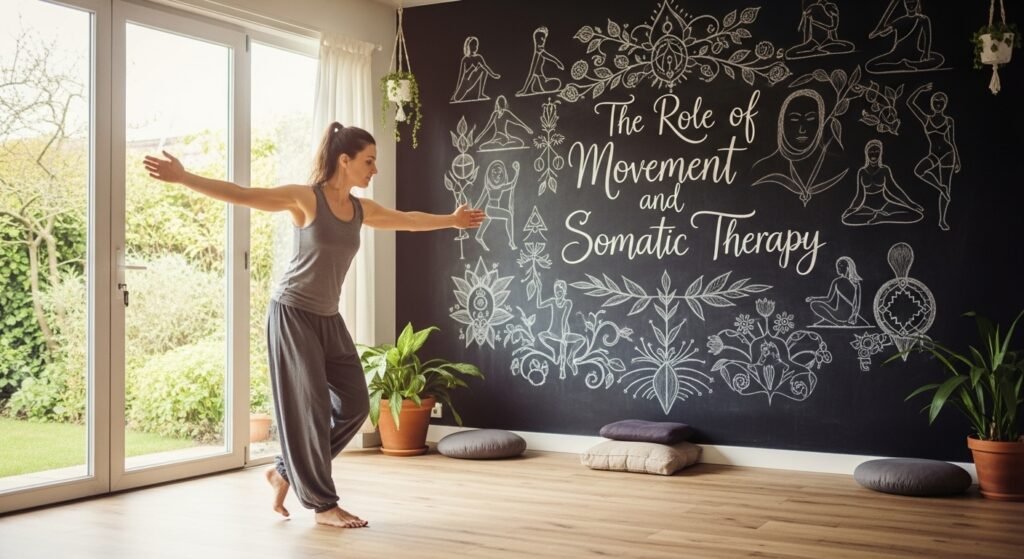
The Role of Movement and Somatic Therapy
Movement-based practices and somatic therapy deepen embodiment by engaging the body’s natural wisdom.
Movement such as yoga, dance, or qigong activates physical awareness and emotional expression, releasing tension and facilitating integration of mind and body.
Somatic therapy uses mindful touch, movement, and awareness to uncover and resolve trauma held within the body.
This healing modality complements presence cultivation by transforming unconscious impulses into conscious choice.
Movement and somatic approaches also stimulate neuroplasticity and nervous system regulation, promoting sustained inner freedom.
- Yoga postures that emphasize breath-body connection.
- Expressive dance to liberate emotional energy.
- Qigong for energetic harmony and flow.
- Somatic experiencing techniques for trauma release.
- Movement as meditation to deepen awareness.
- Using body-based cues to identify emotional states.
- Combining therapy with mindfulness for holistic healing.
Movement and somatic therapy enliven the path to embodiment and presence.
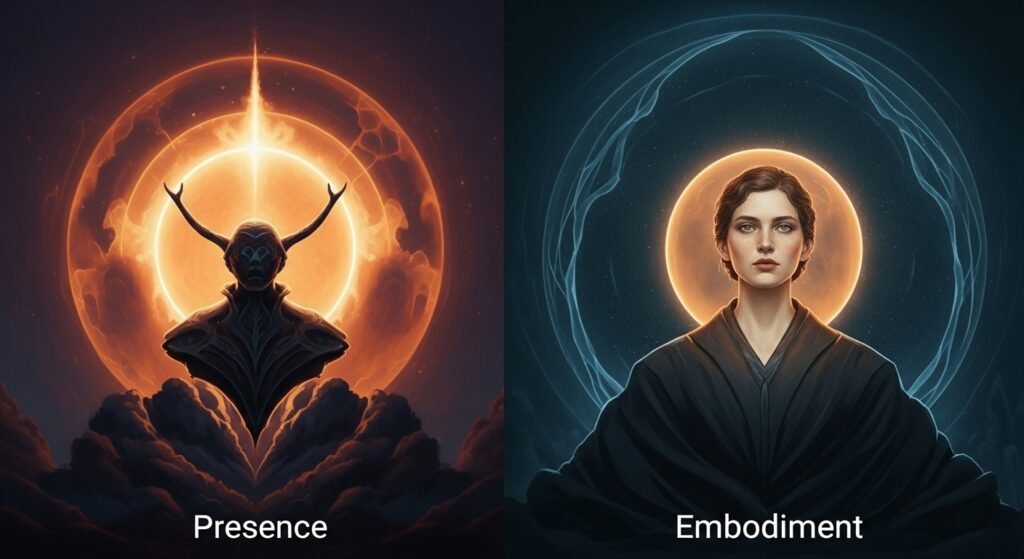
How Presence & Embodiment Improve Mental Health
Integrating presence and embodiment practices offers profound benefits for mental health.
These approaches reduce symptoms of anxiety, depression, PTSD, and stress by interrupting unconscious thought patterns and fostering grounded awareness.
Presence helps break cycles of worry and rumination; embodiment reduces dissociation and emotional numbness.
Together they strengthen resilience, promote self-compassion, and restore a sense of control over internal experience.
Scientific research supports mindfulness and body-based interventions as effective tools for emotional regulation and recovery.
For individuals in high-pressure environments, cultivating these qualities is a preventative and restorative mental health strategy.
- Lower cortisol and stress biomarkers.
- Improved emotional regulation and mood stability.
- Reduction in avoidance and dissociation.
- Enhanced cognitive flexibility.
- Greater self-awareness and insight.
- Increased feelings of safety and self-compassion.
- Support for trauma recovery and PTSD symptom reduction.
Presence and embodiment pave the way for sustainable mental wellness.
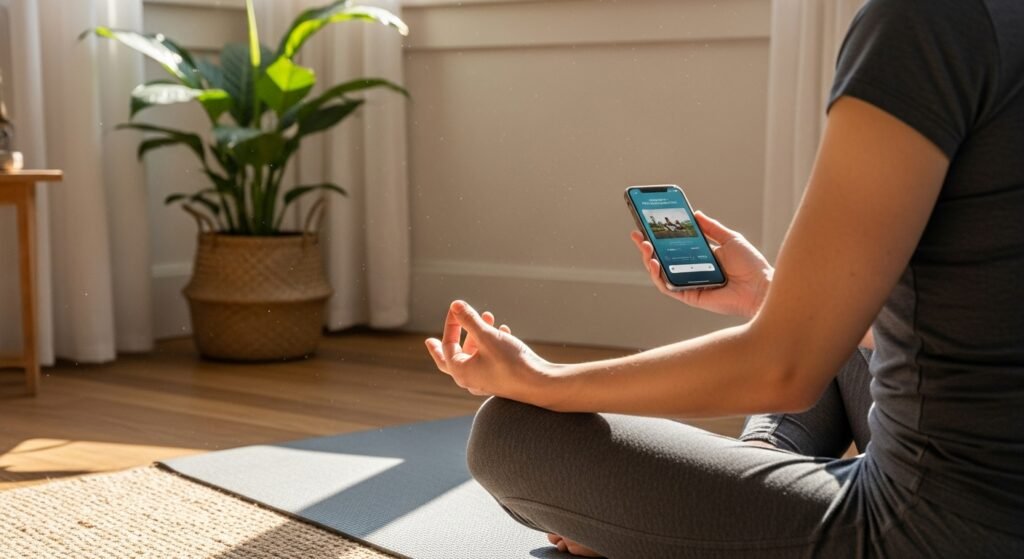
Integrating Presence and Embodiment into Daily Life
The true power of presence and embodiment lies in integrating these qualities into everyday activities.
This means bringing mindful attention and body awareness into routines like walking, eating, conversations, and work.
Start with small moments—feel the feet on the ground while standing, notice the breath as you wash your hands, listen attentively in dialogue without planning your response.
Embodied living transforms mundane tasks into opportunities for awakening and freedom.
Gradually cultivating this habit expands presence, reduces stress, and nurtures authenticity throughout your day.
- Set reminders to pause and breathe mindfully.
- Use sensory check-ins during daily tasks.
- Practice mindful eating and movement.
- Engage fully in conversations, noticing body signals.
- Align posture and breath during work.
- Reflect nightly on moments of presence and embodiment.
- Celebrate small wins and awakenings.
Consistent small steps integrate transformation into your life.

Common Challenges and How to Overcome Them
The path to unlocking presence and embodiment can present challenges such as distractions, discomfort with emotions, impatience, or preoccupation with outcomes.
It’s normal to feel resistance or frustration when learning these new skills.
Overcoming challenges requires compassion, persistence, and adjustment of expectations.
Using supportive tools like guided meditations, retreats, or coaching can provide encouragement.
Remember that growth occurs incrementally, and setbacks are part of the process.
Being kind to yourself amidst challenges fosters deeper learning and sustained transformation.
- Managing distractions with gentle refocusing.
- Allowing emotions without judgment or avoidance.
- Accepting gradual progress over instant results.
- Seeking community or professional support.
- Establishing consistent daily practices.
- Using affirmations and self-compassion.
- Remaining curious and open to learning.
Challenges become opportunities when met with patience and care.
Frequently Asked Questions (FAQs)
- What is the difference between presence and embodiment?
- Presence is awareness of the present moment; embodiment is fully inhabiting the body and emotions in that moment.
- Can presence and embodiment help with anxiety?
- Yes, they ground you in the here-and-now, breaking cycles of worry and calming the nervous system.
- How long does it take to cultivate presence and embodiment?
- It varies, but regular practice over weeks to months typically builds noticeable shifts.
- Are there specific practices recommended for beginners?
- Mindfulness meditation, body scans, breathwork, and gentle movement are great starting points.
- Can presence and embodiment improve sleep?
- Yes, calming the nervous system and releasing tension enhance sleep quality.
- Are these practices suitable for trauma survivors?
- Yes, when done gently and often under professional guidance, they support healing.
- How do I stay consistent with my practice?
- Setting realistic goals, reminders, and support from communities help maintain consistency.
- Is embodiment only about physical movement?
- No, it also includes emotional awareness, breath, and sensing the body.
- Can these practices help with chronic pain?
- Yes, by improving body awareness and relaxation, they can decrease pain perception.
- Where can I find guided resources?
- Apps, online courses, meditation teachers, and somatic therapists offer varied supports.
Conclusion: Embracing Your Path to True Inner Freedom
Unlocking the transformative power of presence and embodiment invites you to live an awakened, joyful, and authentic life.
These practices ground your awareness in the moment and unify mind, body, and spirit, dissolving mental clutter, emotional blockages, and reactive patterns.
The result is true inner freedom—a state of calm clarity, emotional balance, and conscious choice that sustains well-being and spiritual growth.
By integrating presence and embodiment in your daily life through meditation, breathwork, body awareness, and movement, you embark on a lifelong journey of transformation and healing.
This journey is accessible to everyone, regardless of experience or background, and offers profound gifts for personal and collective flourishing.
Begin today, embrace your embodied presence, and unlock the freedom that awaits within.
Your path to genuine liberation is present in this moment.