📋 Table of Contents
- Understanding Reacting vs. Responding: The Fundamental Difference
- The Neuroscience: How Your Brain Processes Reactions vs. Responses
- Reason #1: Reacting Creates Automatic Patterns While Responding Builds Conscious Awareness
- Reason #2: Responding Develops Emotional Intelligence While Reacting Reinforces Impulsive Patterns
- Reason #3: Reacting Operates from Fear While Responding Aligns with Values
- Reason #4: Responding Creates New Neural Pathways While Reacting Strengthens Old Habits
- Reason #5: Reacting Attracts Negative Outcomes While Responding Draws Positive Experiences
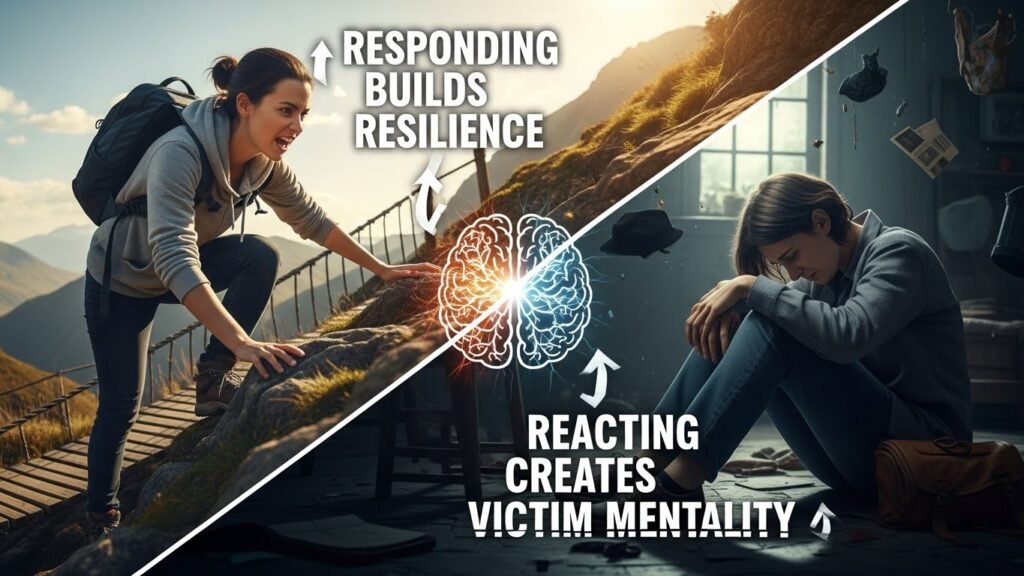
- Reason #6: Responding Builds Resilience While Reacting Creates Victim Mentality
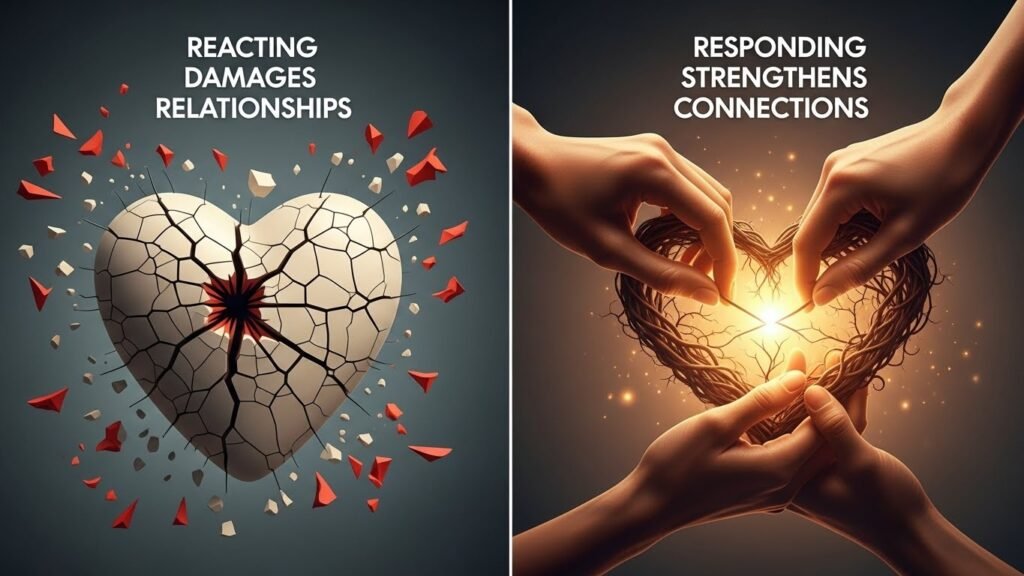
- Reason #7: Reacting Damages Relationships While Responding Strengthens Connections
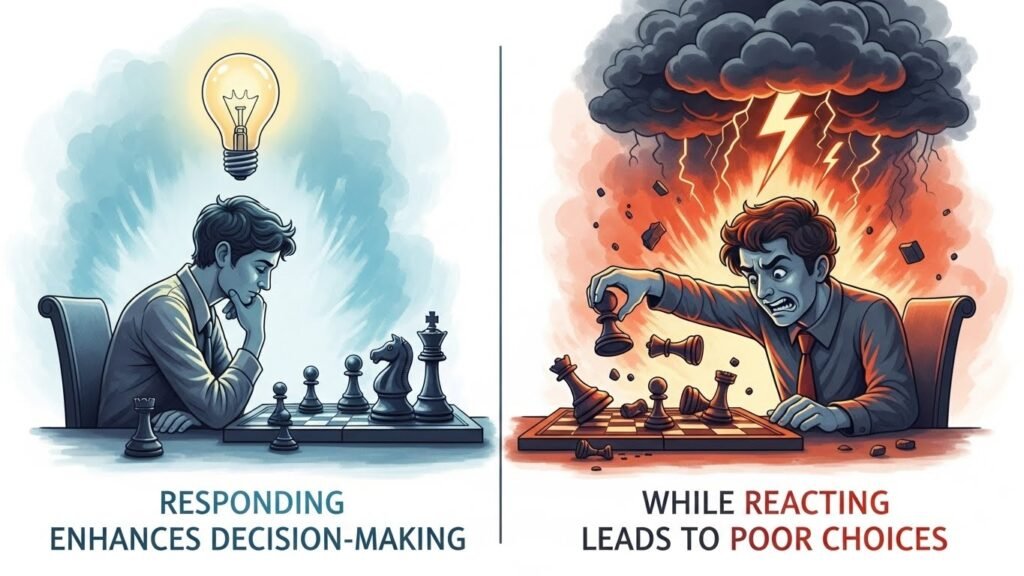
- Reason #8: Responding Enhances Decision-Making While Reacting Leads to Poor Choices
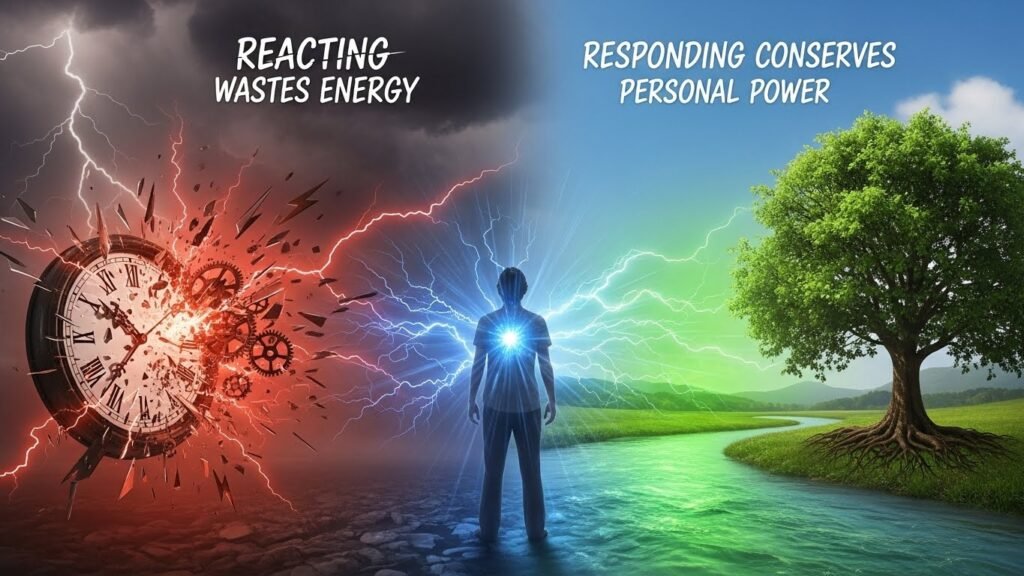
- Reason #9: Reacting Wastes Energy While Responding Conserves Personal Power
- Reason #10: Responding Creates Lasting Transformation While Reacting Maintains Status Quo
- Practical Applications: When to Respond vs. When to React
- The Complete Reacting vs. Responding Framework
- Real Transformation Stories
- Frequently Asked Questions
- Your Journey from Reacting to Responding Begins Now
Understanding Reacting vs. Responding: The Fundamental Difference
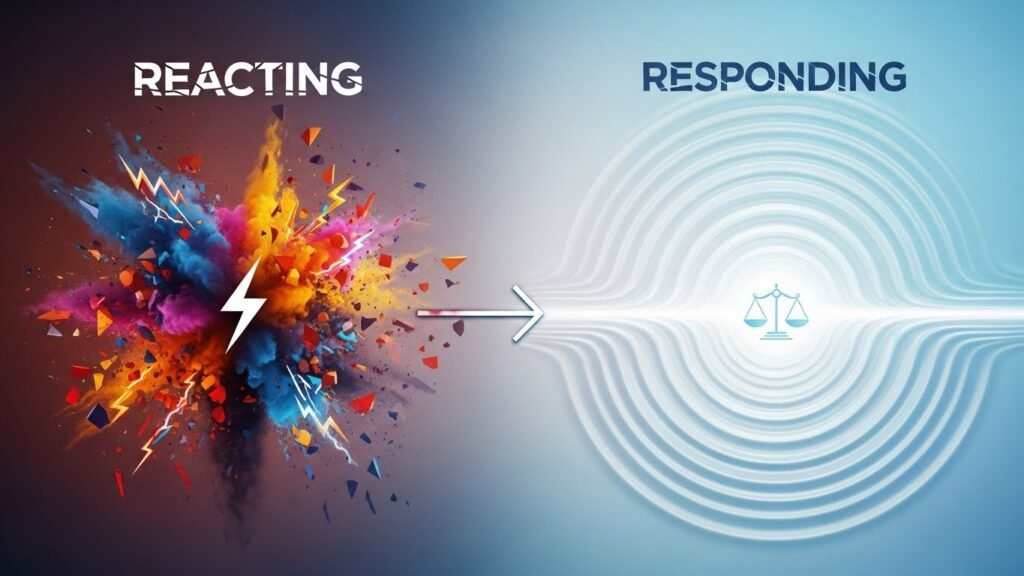
The distinction between reacting vs. responding represents one of the most powerful yet overlooked aspects of personal growth.
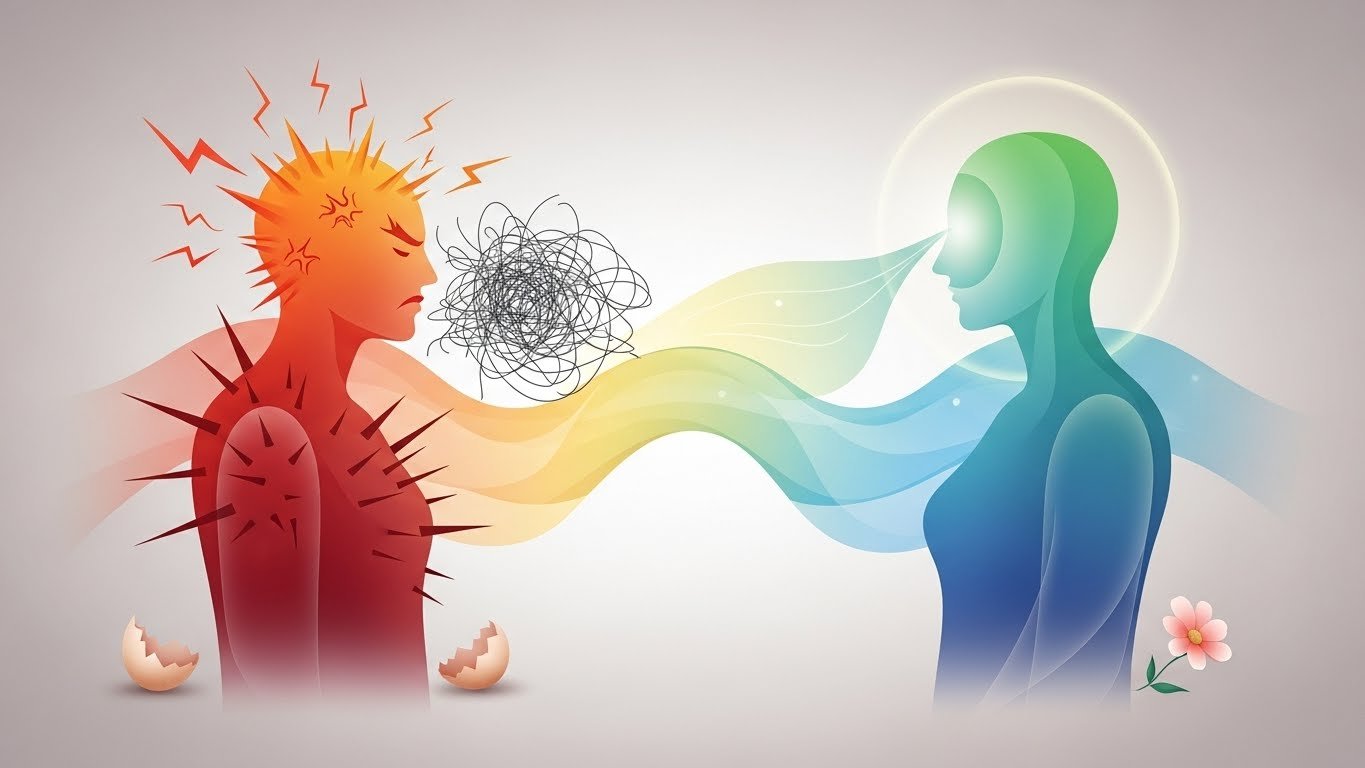
Reacting is an automatic, unconscious process driven by immediate emotions and past conditioning – it’s what happens when your amygdala takes control before your prefrontal cortex has a chance to engage.
Responding, conversely, is a conscious, deliberate process that involves pausing, reflecting, and choosing actions that align with your values and long-term goals.
This difference isn’t merely semantic – it represents two fundamentally different approaches to life that create dramatically different outcomes.
When you react, you’re operating from your primitive brain systems that prioritize immediate survival and comfort over long-term growth and wisdom.
When you respond, you’re engaging your higher cognitive functions that can consider multiple perspectives, weigh consequences, and make choices that serve your highest good.
Key Points:
- Reacting is automatic and unconscious; responding is conscious and deliberate
- Reacting operates from primitive brain systems; responding engages higher cognitive functions
- Reacting reinforces old neural pathways; responding develops new neural connections
- The distinction creates dramatically different life outcomes and personal growth trajectories
🔬 The Neuroscience: How Your Brain Processes Reactions vs. Responses
The neuroscience behind reacting vs. responding reveals why this distinction is so crucial for personal growth.
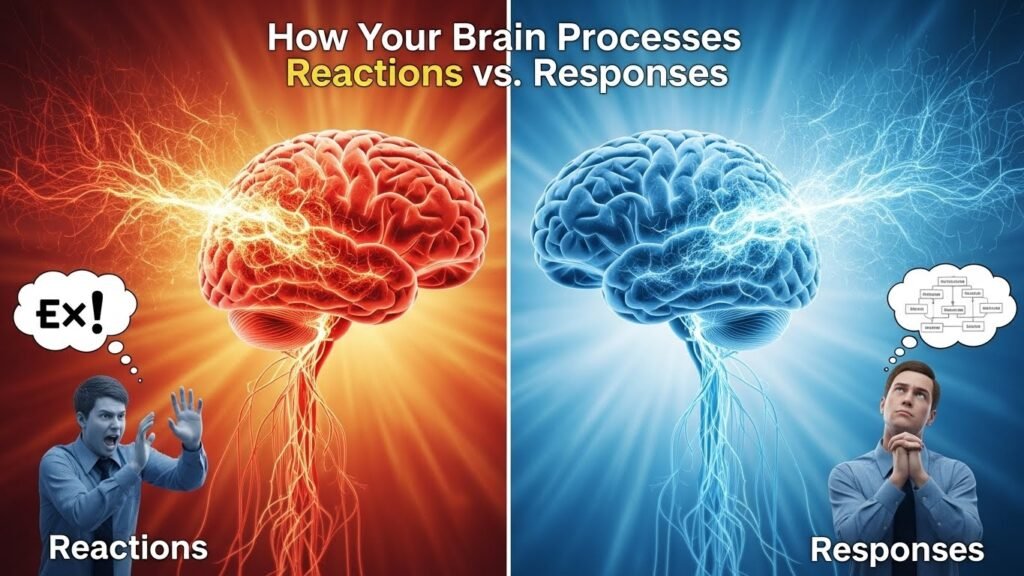
When you react, your amygdala – the brain’s emotional alarm system – takes control in as little as 12 milliseconds, flooding your system with stress hormones and activating fight-or-flight responses.
This bypasses your prefrontal cortex, the brain’s executive center responsible for rational thinking, long-term planning, and emotional regulation.
When you respond, however, you activate different neural pathways. Research from Harvard Medical School shows that taking even a three-second pause before responding allows your prefrontal cortex to engage, activating what researchers call “the wise mind” – the integration of emotional intelligence and rational thinking.
This creates space for conscious choice rather than automatic reaction.
The plasticity of your brain means that every time you choose to respond instead of react, you’re literally rewiring your neural pathways.
Reacting strengthens the amygdala-prefrontal cortex stress pathway, making you more reactive over time.
Responding strengthens the prefrontal cortex’s regulatory capacity, making conscious choice your default mode.
This neuroplasticity means that your choice to respond rather than react literally changes your brain structure over time.
Key Points:
- Reacting activates amygdala in 12 milliseconds, bypassing prefrontal cortex
- Taking three-second pause allows prefrontal cortex to engage “wise mind”
- Reacting strengthens stress pathways; responding strengthens regulatory capacity
- Neuroplasticity means choices literally rewire brain structure over time
Reason #1: Reacting Creates Automatic Patterns While Responding Builds Conscious Awareness
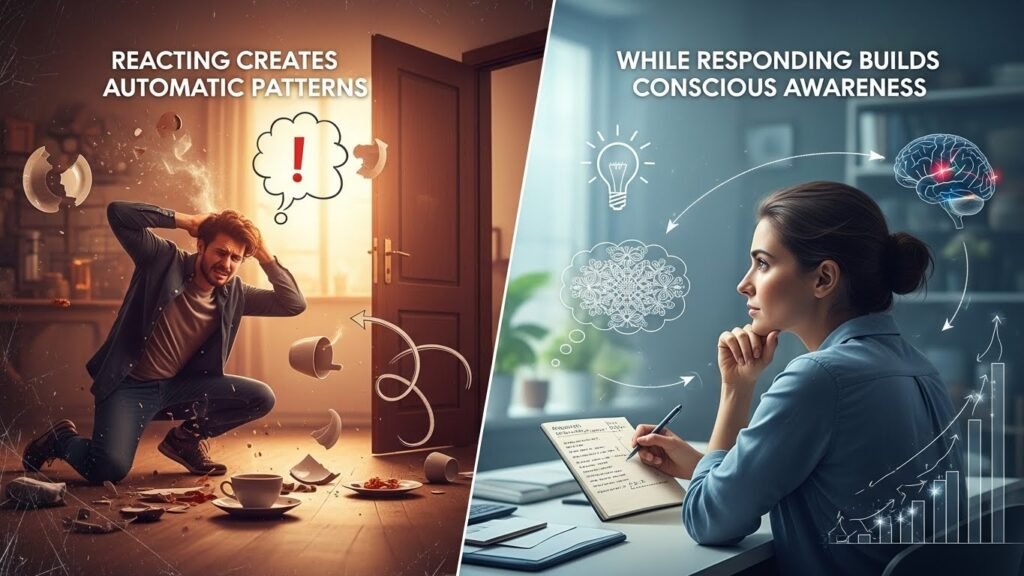
The first transformative reason why reacting vs. responding shapes personal growth lies in consciousness development: reacting creates automatic, unconscious patterns while responding builds conscious awareness that expands your capacity for choice and change.
When you react, you’re operating from conditioned responses that were programmed into your nervous system years ago, often from childhood experiences or past traumas.
These automatic patterns keep you stuck in repetitive cycles that feel frustratingly familiar.
Responding, however, creates what psychologists call “conscious choice points” – moments where you pause between stimulus and action to consider your options.
This pause is where personal growth happens. It’s the space where you can ask: “Is this reaction serving my highest good?” “What would be the most aligned response here?” “What outcome do I want to create?”
This conscious awareness expands your capacity for choice and change exponentially.
Research from consciousness studies shows that people who practice responding instead of reacting develop what researchers term “meta-awareness” – the ability to observe your own thoughts, emotions, and reactions without being controlled by them.
This meta-awareness is the foundation of all personal growth, allowing you to step outside of automatic patterns and choose new ways of being that align with your values and aspirations.
Key Points:
- Reacting creates automatic patterns from past conditioning and trauma
- Responding builds conscious awareness through choice points between stimulus and action
- Meta-awareness allows observation of thoughts/emotions without being controlled by them
- Conscious awareness expands capacity for choice and change exponentially
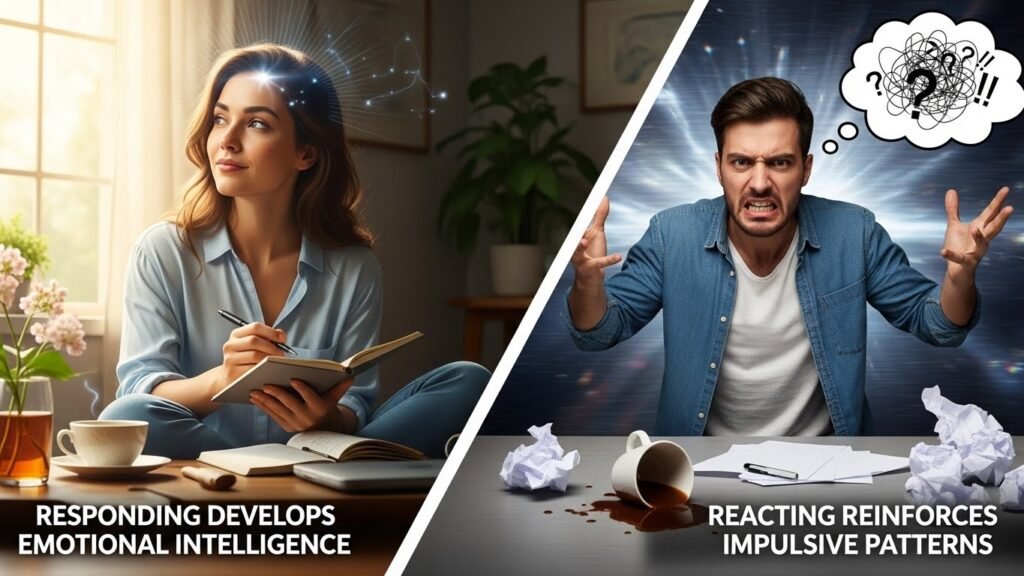
Reason #2: Responding Develops Emotional Intelligence While Reacting Reinforces Impulsive Patterns
The second empowering reason centers on emotional development: responding develops emotional intelligence while reacting reinforces impulsive patterns that keep you emotionally immature.
Emotional intelligence – the ability to recognize, understand, and manage emotions effectively – is perhaps the most crucial skill for personal growth, and it’s developed primarily through the practice of responding rather than reacting.
When you react, you’re operating from what psychologists call “emotional flooding” – being overwhelmed by emotions without understanding or managing them effectively.
This creates a cycle where emotions control you rather than you controlling emotions.
Responding, however, develops what researchers term “emotional granularity” – the ability to recognize and name specific emotions with precision, understand their root causes, and choose appropriate responses that serve your highest good.
The practice of responding develops all four domains of emotional intelligence: self-awareness (recognizing your emotional states), self-regulation (managing your emotional responses), social awareness (understanding others’ emotions), and relationship management (responding to others’ emotions effectively).
This comprehensive emotional development creates the foundation for all other aspects of personal growth and transformation.
Key Points:
- Reacting operates from emotional flooding without understanding or management
- Responding develops emotional granularity – precise recognition and naming of emotions
- Practice of responding develops all four domains of emotional intelligence
- Emotional intelligence creates foundation for all personal growth aspects
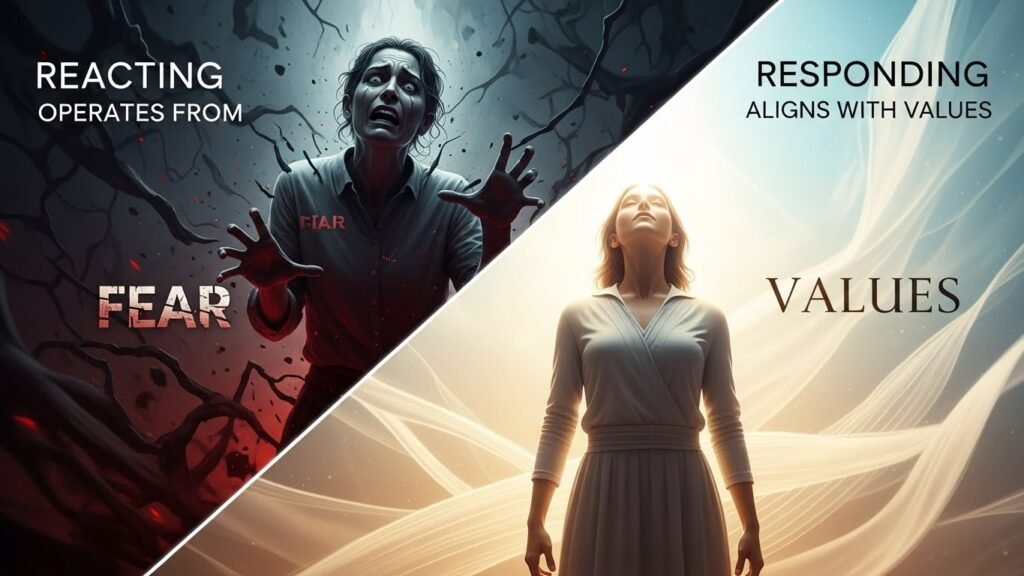
Reason #3: Reacting Operates from Fear While Responding Aligns with Values
The third transformative reason focuses on motivation and alignment: reacting operates from fear-based programming while responding aligns with your authentic values and highest self.
When you react, you’re typically operating from fear – fear of being wrong, fear of looking bad, fear of losing control, fear of being rejected.
This fear-based programming was often installed in childhood and keeps you operating from your lowest self rather than your highest potential.
Responding, however, creates the space to align your actions with your deepest values and authentic truth.
When you pause to respond rather than react, you can ask: “What would love do here?” “What aligns with my highest values?” “What would my wisest self choose?”
This values-based alignment creates actions that feel authentic and empowering rather than reactive and regrettable.
Research from values-based psychology shows that people who consistently align their actions with their core values experience higher life satisfaction, better mental health, and more meaningful relationships.
The practice of responding creates the space for this values-alignment, while reacting keeps you trapped in fear-based patterns that feel hollow and unfulfilling.
Key Points:
- Reacting operates from fear-based programming installed in childhood
- Responding aligns actions with deepest values and authentic truth
- Values-based alignment creates authentic, empowering actions
- Values-alignment creates higher life satisfaction and better mental health
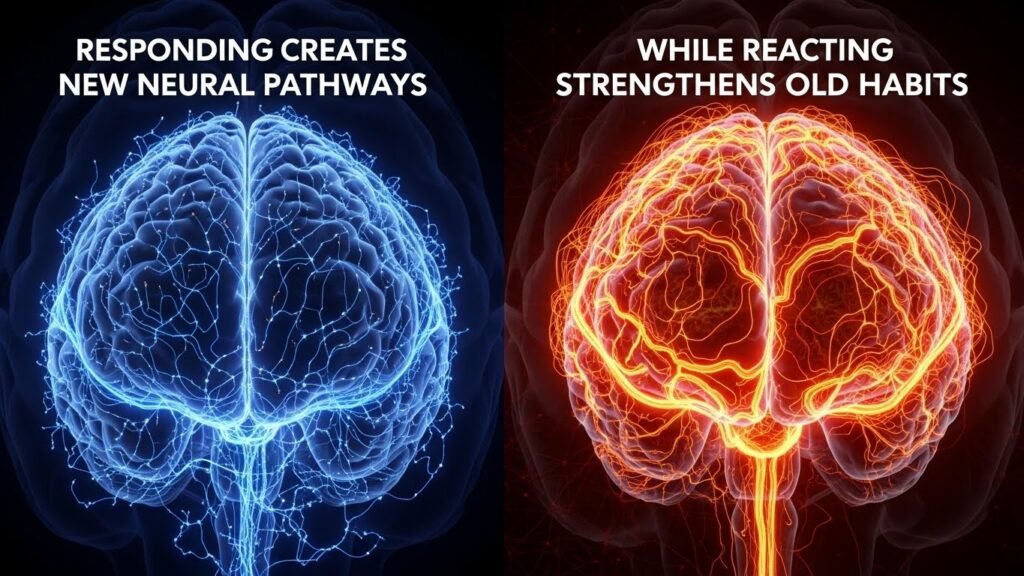
Reason #4: Responding Creates New Neural Pathways While Reacting Strengthens Old Habits
The fourth empowering reason centers on neuroplasticity: responding creates new neural pathways while reacting strengthens old habit patterns that keep you stuck.
Every time you choose to respond instead of react, you’re literally rewiring your brain, creating new neural connections that support conscious choice and emotional regulation.
When you react, you strengthen the well-worn neural pathways between your amygdala (emotional alarm system) and your limbic system (emotional brain), making automatic emotional reactions your default mode.
When you respond, however, you strengthen the neural pathways between your prefrontal cortex (executive function) and your limbic system, making conscious choice and emotional regulation your default mode.
Research from neuroscience shows that consistent practice of responding instead of reacting can literally change brain structure over time, increasing gray matter density in areas associated with emotional regulation and decreasing reactivity in the amygdala.
This means that your choice to respond rather than react doesn’t just change your behavior in the moment – it physically changes your brain to support long-term personal growth and emotional maturity.
Key Points:
- Responding creates new neural pathways supporting conscious choice and emotional regulation
- Reacting strengthens old pathways between amygdala and limbic system
- Responding strengthens pathways between prefrontal cortex and limbic system
- Consistent practice literally changes brain structure over time
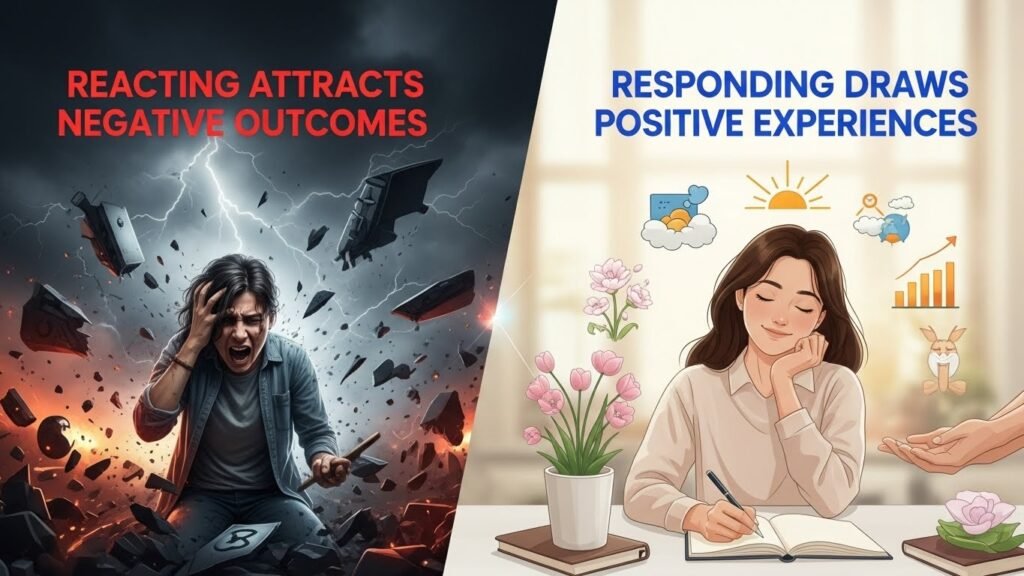
Reason #5: Reacting Attracts Negative Outcomes While Responding Draws Positive Experiences
The fifth empowering reason focuses on manifestation and attraction: reacting tends to attract negative outcomes while responding draws positive experiences that support your growth.
When you react from fear, anger, or defensiveness, you emit energetic frequencies that attract similar negative experiences, creating a cycle of conflict and difficulty that reinforces reactive patterns.
Responding, however, emits different energetic frequencies that attract positive outcomes and supportive experiences.
When you respond from love, wisdom, and authenticity, you create energetic alignment that attracts people and situations that support your growth and well-being.
This isn’t about positive thinking – it’s about energetic alignment that naturally draws supportive experiences into your life.
Research from positive psychology shows that people who consistently choose responding over reacting experience better relationships, more opportunities, and greater life satisfaction.
This isn’t because they’re lucky – it’s because their energetic alignment attracts experiences that support their growth rather than reinforcing old patterns.
Key Points:
- Reacting from negative emotions attracts similar negative experiences
- Responding from love and wisdom creates energetic alignment attracting support
- Responding attracts positive outcomes that support growth and well-being
- People who respond consistently experience better relationships and more opportunities
Reason #6: Responding Builds Resilience While Reacting Creates Victim Mentality
The sixth transformative reason focuses on resilience development: responding builds psychological resilience while reacting creates victim mentality that keeps you powerless.
When you react, you often feel like life is happening to you, creating a victim mentality where you feel powerless to change your circumstances.
This victim mentality reinforces itself by attracting experiences that confirm your powerlessness.
Responding, however, builds what researchers call “psychological resilience” – the ability to bounce back from adversity and grow stronger through challenges.
When you respond to difficult situations, you reclaim your power to choose your experience, even when you can’t control external circumstances.
This creates what psychologists term “post-traumatic growth” – positive psychological change that occurs through struggling with challenging circumstances.
The practice of responding builds resilience by helping you develop what researchers call “internal locus of control” – the belief that you have power over your own experience, even when external circumstances are difficult.
This internal empowerment creates resilience that helps you navigate future challenges with greater wisdom and strength.
Key Points:
- Reacting creates victim mentality where life feels like it’s happening to you
- Responding builds psychological resilience through reclaiming power to choose
- Responding creates post-traumatic growth through struggling with challenges
- Internal locus of control creates resilience for navigating future challenges
Reason #7: Reacting Damages Relationships While Responding Strengthens Connections
The seventh empowering reason centers on relationships: reacting damages relationships while responding strengthens connections and builds trust.
When you react from defensiveness, anger, or hurt, you often say or do things that damage relationships – creating distance, eroding trust, and building resentment that can last for years.
Responding, however, creates what researchers call “relationship resilience” – the ability to navigate conflict and challenges in ways that actually strengthen rather than damage connections.
When you respond from love, understanding, and authenticity, you create safe spaces for honest communication, build trust through vulnerability, and demonstrate emotional maturity that deepens relationships.
Research from relationship psychology shows that couples and teams who practice responding instead of reacting have significantly better relationship satisfaction, trust levels, and long-term stability.
The ability to respond rather than react becomes a cornerstone of healthy, growth-oriented relationships that support rather than hinder personal development.
Key Points:
- Reacting from defensiveness damages relationships through distance and resentment
- Responding creates relationship resilience through navigating challenges constructively
- Responding creates safe spaces for honest communication and builds trust
- Couples/teams who practice responding have better satisfaction and stability
Reason #8: Responding Enhances Decision-Making While Reacting Leads to Poor Choices
The eighth empowering reason focuses on decision quality: responding enhances decision-making while reacting leads to poor choices that don’t serve your long-term interests.
When you react, you’re operating from immediate emotions and limited perspective, often making choices that feel good in the moment but create problems later.
Reacting creates what researchers call “temporal myopia” – the inability to see long-term consequences due to emotional flooding.
Responding, however, creates space for what psychologists call “deliberative decision-making” – the ability to consider multiple perspectives, weigh long-term consequences, and make choices that align with your values and goals.
This creates decisions that serve not just your immediate needs but your long-term growth and well-being.
Studies from behavioral psychology show that people who practice responding instead of reacting make significantly better decisions in all areas of life – from career choices to financial decisions to relationship commitments.
The ability to respond rather than react becomes a cornerstone of wise decision-making that supports long-term success and fulfillment.
Key Points:
- Reacting creates temporal myopia – inability to see long-term consequences
- Responding creates deliberative decision-making considering multiple perspectives
- Responding creates decisions serving long-term growth and values alignment
- People who respond make significantly better decisions in all life areas
Reason #9: Reacting Wastes Energy While Responding Conserves Personal Power
The ninth transformative reason focuses on energy conservation: reacting wastes enormous amounts of mental and emotional energy while responding conserves your personal power for what truly matters.
When you react, you’re often caught in cycles of overthinking, rumination, and emotional drama that drain your energy without creating positive outcomes.
Responding, however, conserves your energy by helping you avoid the exhausting cycles of emotional reactivity, overthinking, and drama that characterize reactive living.
When you respond from clarity and alignment, you use your energy efficiently for actions that actually serve your growth and well-being, rather than wasting it on emotional reactions that create more problems than they solve.
Research from energy psychology shows that people who practice responding instead of reacting report significantly higher energy levels, better sleep, and reduced stress-related physical symptoms.
Key Points:
- Reacting creates cycles of overthinking and emotional drama that drain energy
- Responding conserves energy by avoiding exhausting reactive cycles
- Responding uses energy efficiently for actions serving growth and well-being
- People who respond report higher energy, better sleep, reduced stress symptoms
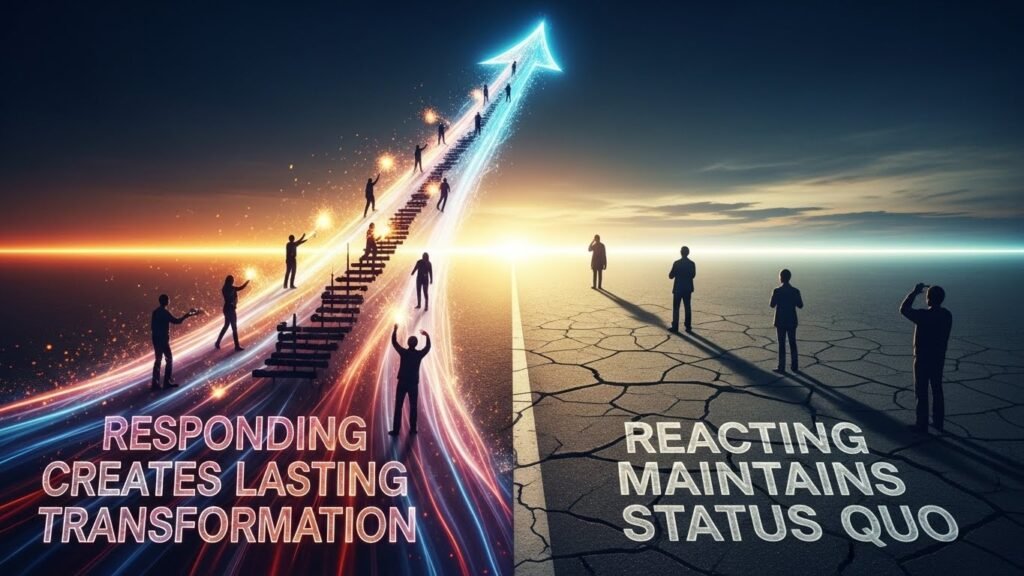
Reason #10: Responding Creates Lasting Transformation While Reacting Maintains Status Quo
The tenth and perhaps most profound reason: responding creates lasting transformation while reacting maintains the status quo that keeps you stuck.
Reacting keeps you trapped in familiar patterns that feel safe but prevent growth, while responding opens doorways to new possibilities and transformations that weren’t available from your reactive state.
When you respond, you create what researchers call “transformational moments” – experiences that fundamentally shift your understanding of yourself and your capabilities.
These moments create lasting change because they come from conscious choice rather than automatic reaction, creating new neural pathways and behavioral patterns that support ongoing growth and evolution.
The cumulative effect of choosing responding over reacting creates what psychologists term “transformational growth” – fundamental changes in personality, values, and capabilities that create lasting positive change.
This isn’t incremental improvement – it’s quantum leaps in consciousness that create new levels of personal development and life experience.
Key Points:
- Reacting maintains familiar patterns that prevent growth and transformation
- Responding creates transformational moments that shift self-understanding
- Responding creates new neural pathways and behavioral patterns supporting growth
- Cumulative effect creates transformational growth and quantum consciousness leaps
🎯 Practical Applications: When to Respond vs. When to React
Understanding when to respond vs. when to react requires developing what psychologists call “situational awareness” – the ability to recognize which situations require immediate reaction for safety and which offer space for thoughtful response.
This discernment is crucial for applying these principles effectively in real-life situations.
The key is recognizing the difference between genuine emergencies that require immediate action and situations where taking time to respond would serve your highest good.
True emergencies – like someone in physical danger, imminent threats to safety, or situations requiring split-second decisions – may require immediate reaction.
However, most situations in modern life offer space for thoughtful response that serves your long-term growth and relationships.
Practical application involves developing what researchers call “the pause” – that moment of space between stimulus and response where you can choose consciously.
This might involve taking three deep breaths before responding to an email, asking for time to think before making important decisions, or simply noticing your emotional state before speaking in challenging conversations.
Key Points:
- Situational awareness recognizes which situations require immediate reaction vs. thoughtful response
- True emergencies may require immediate reaction; most situations offer space for response
- Developing “the pause” creates space for conscious choice between stimulus and response
- Practical application involves specific techniques like deep breathing or asking for thinking time
📊 The Complete Reacting vs. Responding Framework
| Aspect | Reacting Pattern | Responding Pattern | Immediate Impact | Long-term Growth | Energy Result |
|---|---|---|---|---|---|
| Source | Automatic/conditioned | Conscious/chosen | Immediate vs. thoughtful | Growth vs. stagnation | Drain vs. conservation |
| Emotion | Flooding/uncontrolled | Regulated/understood | Chaos vs. clarity | Maturity vs. immaturity | Reactive vs. responsive |
| Time | Instant/12ms | Deliberate/paused | Fast vs. thoughtful | Wisdom vs. impulsivity | Urgent vs. patient |
| Outcome | Often negative | Usually positive | Conflict vs. resolution | Success vs. failure | Loss vs. gain |
| Energy | Draining/wasteful | Conserving/efficient | Exhaustion vs. vitality | Sustainability vs. depletion | Scattered vs. focused |
| Growth | Stagnation | Evolution | Stuck vs. moving | Transformation vs. status quo | Repetition vs. innovation |
| Relationships | Damaging | Strengthening | Conflict vs. connection | Depth vs. superficiality | Distance vs. intimacy |
| Decision | Poor/impulsive | Wise/deliberate | Regret vs. satisfaction | Excellence vs. mediocrity | Reactive vs. proactive |
💫 Real Transformation Stories {#transformation-stories}
Sarah’s Relationship Revolution: After years of reactive patterns that damaged her relationships, Sarah discovered the power of conscious responding. “I’d always react defensively when my partner criticized me,” she shares. “Learning to pause and respond instead of react transformed our relationship. Within six months, we’d gone from constant conflict to deep, meaningful conversations. The space I created by responding allowed him to feel heard, and our connection deepened in ways I never imagined possible.”
Michael’s Career Breakthrough: A marketing manager who struggled with impulsive reactions during high-pressure meetings, Michael found transformation through responding. “I’d always react defensively when my ideas were challenged,” he explains. “Learning to respond thoughtfully rather than reactively changed how others perceived me. Within a year, I was promoted to director because people trusted my judgment and composure under pressure. Responding showed my leadership potential in ways reacting never could.”
❓ Frequently Asked Questions About Reacting vs. Responding {#faqs}
Q1: How do I know if I’m reacting or responding in the moment?
A: Check your physical and emotional state: reacting feels urgent, emotional, and automatic, while responding feels calm, thoughtful, and chosen. If you feel flooded with emotion or pressure to act immediately, you’re likely reacting. If you feel centered and have time to consider options, you’re responding.
Q2: How long does it take to develop the habit of responding instead of reacting?
A: Most people notice improvements within 2-3 weeks of consistent practice, with significant transformation occurring over 3-6 months. The key is consistent daily practice of pause techniques and self-awareness development. Start with low-stakes situations and gradually work up to more challenging scenarios.
Q3: What if people take advantage of my “responding” and see it as weakness?
A: Responding isn’t weakness – it’s emotional intelligence. True responding includes setting boundaries, saying no, and making tough decisions – just from a place of wisdom rather than reactivity. People actually respect those who can remain calm and thoughtful under pressure.
Q4: How do I respond when someone is being aggressive or abusive?
A: Responding doesn’t mean accepting abuse – it means choosing your response thoughtfully rather than reacting emotionally. This might include setting firm boundaries, removing yourself from toxic situations, or seeking support – all from a place of wisdom rather than emotional reactivity.
Q5: Can responding help with mental health issues like anxiety or depression?
A: While responding isn’t a replacement for professional mental health treatment, it can be a powerful complementary tool. Learning to respond rather than react reduces emotional reactivity, improves relationships, and builds self-esteem – all of which support mental health recovery.
Q6: What if my reactive patterns are deeply ingrained from childhood?
A: Deeply ingrained patterns can absolutely be changed through consistent practice and often benefit from professional support. The brain’s neuroplasticity means that even long-standing patterns can be rewired through consistent practice of responding techniques.
Q7: How do I maintain responding during extremely stressful or triggering situations?
A: During high-stress situations, focus on basic techniques: take three deep breaths, count to ten, or remove yourself briefly if possible. Practice these techniques regularly in low-stress situations so they become automatic during challenging moments.
Q8: Is it possible to respond too much and become passive or indecisive?
A: True responding isn’t passive – it includes taking action, making decisions, and setting boundaries – just from a place of wisdom rather than reactivity. Responding includes knowing when to act immediately and when to take time to consider options.
Q9: How do I teach children the difference between reacting and responding?
A: Children learn through modeling and practice. Demonstrate responding yourself, help them name their emotions, and practice pause techniques like deep breathing. Use simple language: “Let’s take a breath and think about the best choice here” rather than “Stop reacting.”
Q10: How do I measure my progress in shifting from reacting to responding?
A: Track your progress by noticing: Do you feel more in control of your choices? Are your relationships improving? Do you experience less regret after interactions? Are you making better decisions? These tangible improvements indicate successful transformation from reacting to responding.
🌟 Your Journey from Reacting to Responding Begins Now {#conclusion}
You’ve just discovered 10 empowering reasons why reacting vs. responding shapes personal growth in profound ways. These aren’t just psychological concepts – they’re practical tools for transforming every aspect of your life through the simple yet powerful practice of conscious choice.
The beautiful truth about responding: You don’t need to become someone who never has emotional reactions – you need to develop the wisdom to choose conscious responses that serve your highest good. Every moment presents an opportunity to practice this transformation, and every conscious choice rewires your brain for greater wisdom, emotional intelligence, and personal effectiveness.
Your transformation timeline begins today:
- This week: Notice one situation where you can pause and respond instead of react
- This month: Experience how conscious responding transforms your relationships and decision-making
- This year: Discover how this simple practice creates profound personal transformation that touches every aspect of your life
The path forward requires patience, not perfection:
- Start small: Begin with low-stakes situations to build your responding muscles
- Stay consistent: Every conscious choice rewires your brain for greater wisdom
- Be compassionate: Transformation happens gradually through consistent practice
- Trust the process: Your natural wisdom knows exactly how to respond with grace
Remember: The space between stimulus and response is where your power lies. Every time you choose to respond instead of react, you’re not just changing that moment – you’re rewiring your brain for a lifetime of conscious, empowered living.
Take the first conscious breath. Make the first responding choice. Begin your transformation from reactive living to responsive mastery.
Happy responding – with wisdom, grace, and conscious choice! ✨