
Strong relationships don’t just happen—they’re built on evolving communication that grows as partners grow. Whether you’re wondering how to fix communication breakdown in a relationship or seeking 9 important communication skills for every relationship, this guide shows how Relationship & Communication Evolution becomes the true foundation of lasting love.
Table of Content
- Introduction: Why Communication Is a Cornerstone of Love
- The Evolution of Relationships & Partnership
- What Is Open Communication in a Relationship?
- How Much Communication Is Healthy in a Relationship?
- Common Communication Breakdowns and Fixes
- 9 Important Communication Skills for Every Relationship
- Communication Skills for Healthy Relationships
- Communication as Personal Growth
- Relationship Stages and How Communication Shifts
- Action Plan for Lasting Love & Trust
- FAQs
- References
1. Introduction: Why Communication Is a Cornerstone of Love
Communication is the lifeline of every partnership.
From the first spark to decades together, communication is important in relationships because it builds trust, resolves conflict, and strengthens intimacy.
Without it, even the deepest love can erode.
Healthy communication transforms disagreements into understanding and allows couples to celebrate growth together.
Key Points
- Builds trust and emotional safety
- Encourages empathy and mutual respect
- Reduces conflict escalation
- Fosters deeper intimacy and passion
- Supports long-term personal growth
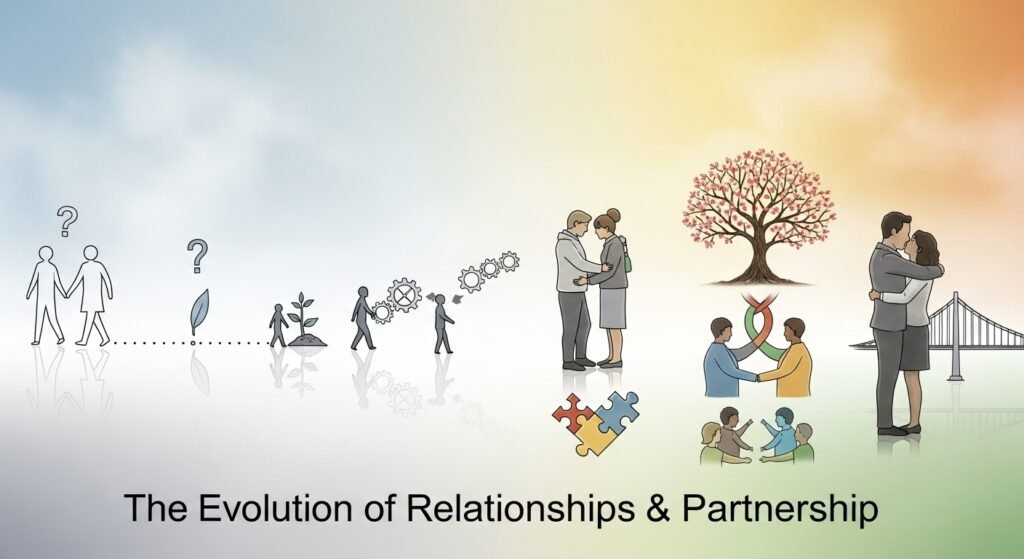
2. The Evolution of Relationships & Partnership
Partnership is an evolutionary inevitability. Couples naturally pass through different stages—infatuation, adjustment, growth, and long-term commitment.
Each stage requires new ways of communicating in a relationship. Early stages thrive on curiosity and openness, while long-term relationships need adaptability and emotional intelligence.
Relationships naturally move through phases of excitement, adjustment, and deeper commitment. Each stage invites partners to adapt their communication style, ensuring emotional growth keeps pace with life’s changes.
By embracing this evolution, couples strengthen trust and build a partnership that lasts through shifting seasons.
Key Points
- Relationships are dynamic, not static
- Communication styles shift with life events
- Evolution requires patience and self-awareness

3. What Is Open Communication in a Relationship?
Open communication means expressing feelings, needs, and boundaries honestly while actively listening.
It’s not just talking—it’s creating a safe space where both partners feel heard and valued.
Open communication means sharing thoughts, feelings, and concerns honestly without fear of judgment or retaliation.
It encourages active listening and empathy so both partners feel truly heard.
This transparency helps resolve conflicts quickly and builds emotional intimacy.
Ultimately, open dialogue lays the groundwork for lasting love and mutual respect.
Tips for Practicing Open Communication
- Use “I” statements to express needs
- Validate your partner’s perspective
- Listen without planning a rebuttal
- Practice vulnerability without fear of judgment
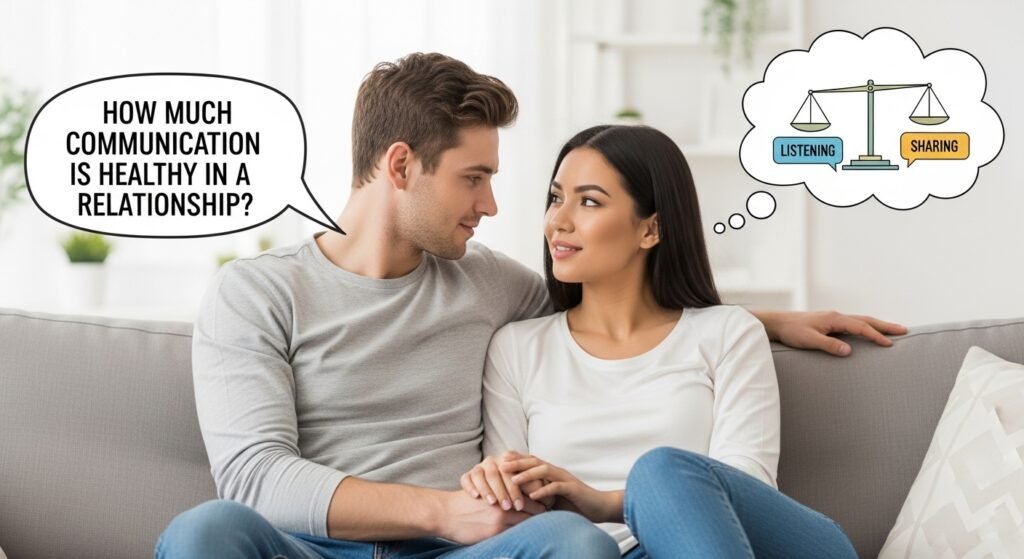
4. How Much Communication Is Healthy in a Relationship?
Healthy communication isn’t about constant talking—it’s about meaningful, balanced connection.
Couples thrive when they share daily updates, express appreciation, and discuss challenges without overloading each other.
Quality matters more than quantity; short but intentional conversations can strengthen trust. Respecting each partner’s need for space keeps communication natural, not forced.
The key is consistency, empathy, and active listening.
There’s no one-size-fits-all answer. Healthy couples balance quality over quantity, ensuring regular check-ins but allowing space for individuality. The goal is connection, not constant texting.
Healthy Patterns Include
- Daily moments of genuine sharing
- Weekly deeper conversations
- Respecting each other’s need for quiet or independence
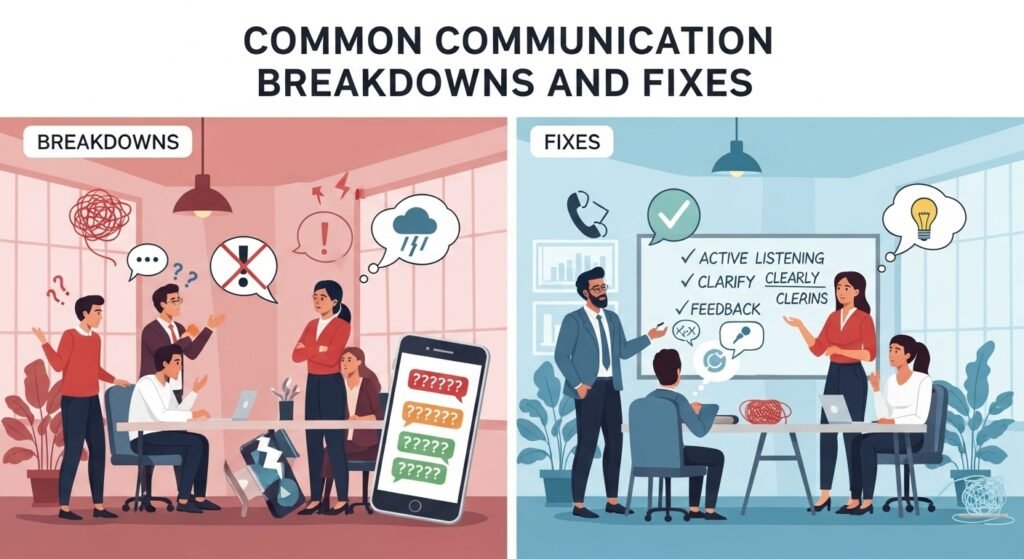
5. Common Communication Breakdowns and Fixes
Misunderstandings, unspoken expectations, and defensive reactions often create rifts between partners.
Interrupting or dismissing feelings can escalate small disagreements into major conflicts.
To fix this, practice active listening, validate each other’s emotions, and avoid blame-based language.
Scheduling calm, focused conversations helps clarify needs and rebuild trust.
Over time, these habits transform conflict into opportunities for deeper connection.
Wondering how to fix communication breakdown in a relationship? Breakdowns often come from assumptions, avoidance, or stress.
Fix-It Strategies
- Schedule calm “repair talks”
- Identify triggers without blame
- Practice active listening
- Seek couples therapy if patterns persist
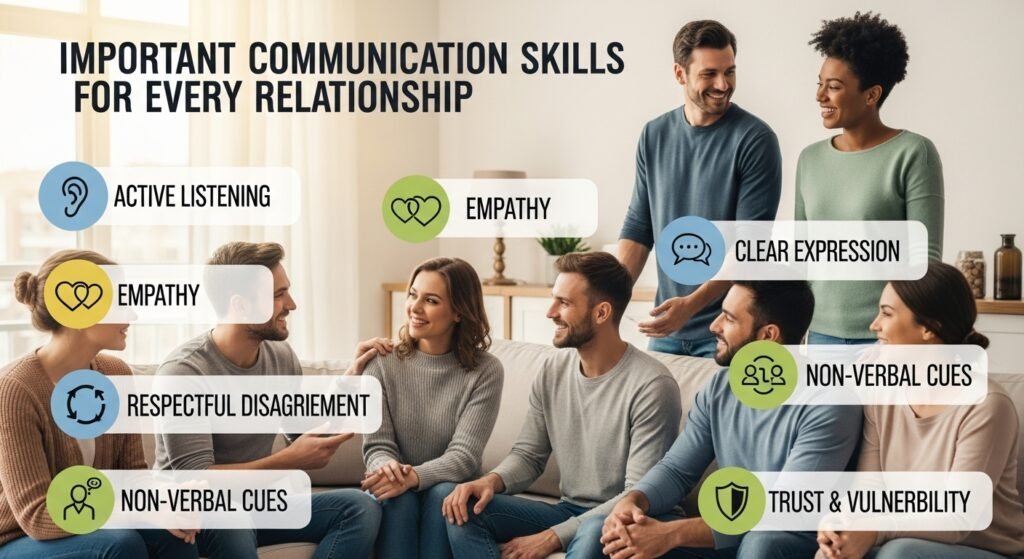
6. 9 Important Communication Skills for Every Relationship & Communication Evolution
Here are the 9 essential communication skills every couple should master:
- Active listening
- Empathetic responses
- Clarity and honesty
- Non-verbal awareness
- Conflict resolution
- Patience and timing
- Self-reflection before speaking
- Positive reinforcement
- Shared goal-setting
These skills reinforce trust and intimacy through every relationship stage.

7. Communication Skills for Healthy Relationships
Beyond the basics, couples benefit from advanced skills such as emotional regulation, mindful pauses, and mutual problem-solving.
Communication is a cornerstone of personal growth in relationships, helping each partner evolve individually while strengthening the bond.
Strong communication is the foundation of lasting love and trust. Couples thrive when they actively listen without interrupting, making sure each partner feels heard and respected.
Using “I” statements instead of blame keeps conversations constructive and solution-focused.
Empathy—truly understanding your partner’s perspective—reduces defensiveness and builds emotional safety.
Regular check-ins, even during good times, prevent small issues from growing into bigger problems.
Practicing patience and pausing before responding allows space for calm dialogue.
Nonverbal cues such as eye contact, gentle touch, and open body language reinforce care and attention. Setting aside screen-free time encourages deeper, distraction-free conversations.
Learning to compromise shows mutual respect and shared commitment.
When these skills become daily habits, they nurture a relationship where love, trust, and growth flourish.

8. Communication as Personal Growth
Every conversation offers a chance to practice patience, empathy, and vulnerability.
Healthy communication teaches self-awareness and emotional intelligence—skills that benefit careers, friendships, and family life.
Effective communication isn’t just about exchanging words—it’s a powerful tool for personal evolution.
Every heartfelt conversation invites self-awareness, helping you recognize your triggers, patterns, and emotional needs.
By practicing active listening, you learn patience and empathy, qualities that expand your emotional intelligence.
Sharing feelings honestly builds confidence and dissolves the fear of vulnerability.
Constructive dialogue teaches conflict-resolution skills that strengthen not only romantic partnerships but friendships and work relationships.
When you clarify your thoughts before speaking, you develop mental clarity and intentional expression. Receiving feedback gracefully fosters resilience and adaptability.
Over time, these habits shape you into a more mindful, compassionate, and balanced individual.
In this way, communication becomes a mirror of your inner growth and a bridge to deeper, more meaningful connections.
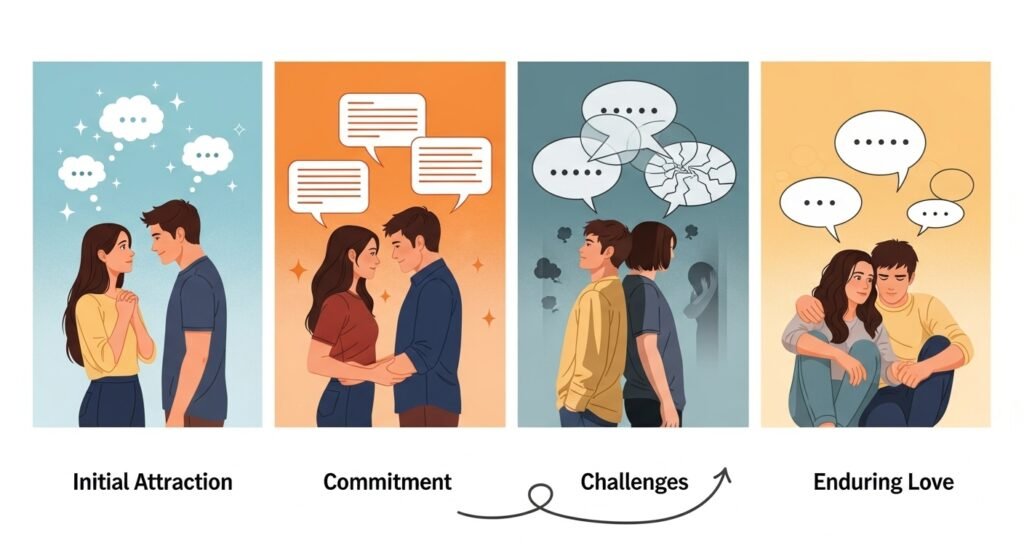
9. Relationship Stages and How Communication Shifts
Couples go through different stages—honeymoon, power struggle, stability, commitment, and co-creation.
At each stage, communication must adapt: from excitement and discovery to deep, ongoing connection.
Every relationship moves through natural stages, and communication needs evolve with each phase.
In the honeymoon stage, conversations often feel effortless, filled with excitement and discovery.
As the relationship matures, deeper discussions about values, goals, and boundaries become essential for long-term harmony.
During the adjustment phase, conflicts may surface, requiring active listening and constructive problem-solving.
When facing life changes—such as career shifts or parenthood—partners must revisit expectations and support each other through open dialogue.
In times of stress, clear and compassionate communication helps prevent misunderstandings and resentment.
As trust deepens, couples often find comfort in silence, where nonverbal connection speaks volumes.
In later years, reflective conversations about shared memories and future dreams nurture emotional intimacy.
Each stage offers opportunities to refine how you express needs, give feedback, and show appreciation.
By adapting communication styles throughout these phases, couples maintain connection and resilience. Ultimately, understanding these shifts keeps love strong and partnerships thriving.

10. Action Plan for Lasting Love & Trust
Building a relationship that stands the test of time begins with mutual respect and clear, open communication.
Couples can strengthen their bond by scheduling weekly conversations to share feelings, express appreciation, and discuss challenges without judgment.
Establishing shared goals—whether financial, personal, or family-oriented—creates a roadmap that keeps both partners aligned.
Practicing active listening ensures each person feels heard and valued, even during disagreements.
Regularly revisiting and adjusting these goals together fosters adaptability and growth.
With consistent effort and mindful connection, love and trust naturally deepen over the years.
- Schedule weekly “state of the union” talks
- Use positive affirmations daily
- Learn conflict-resolution techniques together
- Celebrate small wins to reinforce closeness
- Seek professional support when needed
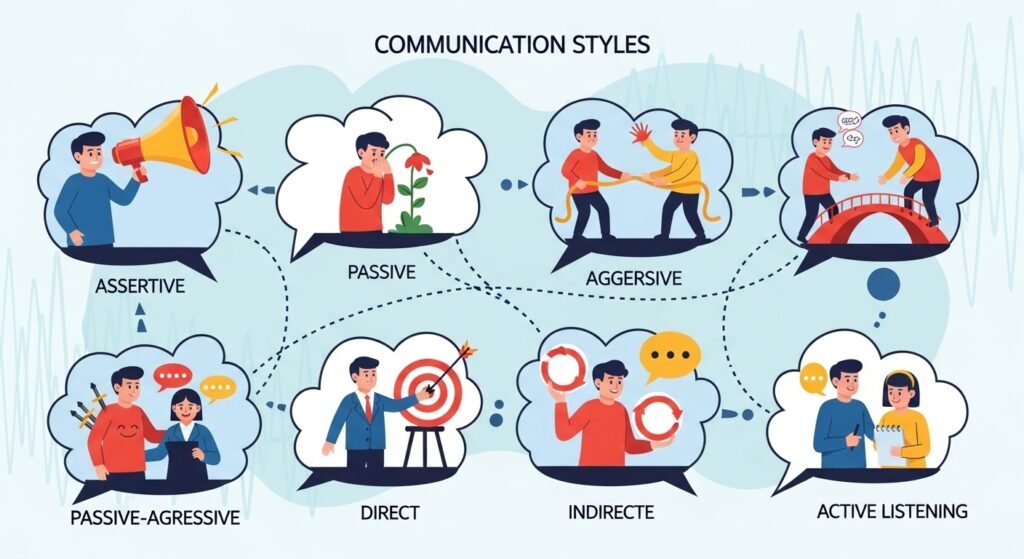
Comparison Table: Communication Styles
| Aspect | Healthy Communication | Unhealthy Communication |
|---|---|---|
| Listening | Active & empathetic | Interrupting or dismissive |
| Honesty | Transparent sharing | Withholding feelings |
| Conflict Handling | Calm problem-solving | Blame or avoidance |
| Emotional Expression | Respectful and open | Explosive or silent treatment |
| Growth Mindset | Encourages change | Resists feedback |

11. FAQs
Q1. How do I fix communication breakdown in a relationship?
Schedule calm discussions, practice active listening, and avoid blame.
Q2. What is open communication in a relationship?
It’s honest sharing of thoughts and feelings with mutual respect.
Q3. How much communication is healthy?
Quality matters more than quantity—daily check-ins and weekly deep talks work for many couples.
Q4. Why is communication important in relationships?
It builds trust, intimacy, and conflict-resolution skills.
Q5. What are 9 important communication skills?
Active listening, empathy, honesty, non-verbal awareness, conflict resolution, patience, reflection, positivity, and goal-setting.
Q6. Can communication improve intimacy?
Yes, deeper conversations foster emotional and physical closeness.
Q7. How do couples evolve communication over time?
They adapt to life changes—careers, children, aging—by staying curious and flexible.
Q8. When should couples seek therapy?
If patterns of misunderstanding or conflict persist despite efforts.
Q9. How can I practice active listening?
Maintain eye contact, repeat key points, and show empathy without interrupting.
Q10. Can better communication prevent breakups?
While not a guarantee, it significantly reduces misunderstandings and strengthens resilience.
References
- Gottman, J. The Seven Principles for Making Marriage Work
- Chapman, G. The Five Love Languages
- American Psychological Association: “Effective Communication in Relationships”