
In today’s fast-paced world, the concept of service to others often gets reduced to random acts of kindness or volunteering during special occasions. However, Bahlon—a revered teacher and spiritual guide—reveals that authentic service is far more profound.
It is a transformative journey that not only elevates the lives of those we help but also reshapes our own hearts, minds, and souls.
Through seven life-changing lessons, Bahlon illuminates the true essence of service, nurturing compassion, humility, healing, presence, reciprocity, and integration into daily life.
This blog explores these lessons in depth, offering practical wisdom and spiritual insights to help you embody service as a life practice.
Whether you seek to deepen your spiritual understanding or to enrich your interactions with others, Bahlon’s timeless teachings on service to others offer inspiring guidance for meaningful living.
Table of Contents
- Understanding Service as a Spiritual Path
- The Power of Compassion as the Root of Service
- Humility: The Heartbeat of Service to Others
- Healing Through the Act of Service
- Presence and Deep Listening as Keys to True Service
- The Balanced Cycle of Giving and Receiving in Service
- Embedding Service to Others Into Your Daily Life
- FAQs: Everything You Want to Know About Service to Others

1. Understanding Service as a Spiritual Path
Bahlon teaches that service to others is not merely helpful actions but a spiritual discipline essential to awakening.
At its core, service invites us to transcend the ego’s self-centered focus and awaken to the interconnectedness of life.
It is an offering, a sacred act that reflects divine love in practice.
The Deeper Meaning of Service
- Service is an inner choice, an intention before an act.
- It dissolves the illusion of separation, connecting us to others at a soul level.
- Viewing service spiritually transforms mundane acts into offerings of love.
- Service nurtures qualities such as empathy, patience, and mindfulness.
- It aligns individual purpose with collective wellbeing.
When service becomes a spiritual path, every interaction is an opportunity to practice presence, kindness, and surrender.
This sacred approach fosters peace and fulfillment far beyond surface-level achievements.
Expanding Service as a Way of Being
Bahlon encourages people to shift from viewing service solely as external charity to experiencing it as an evolving way of being that nurtures both giver and receiver.
- Service as a spiritual path integrates meditation, reflection, and ethical living.
- It deepens self-awareness and emotional intelligence.
- Regular spiritual service strengthens resilience amid life’s challenges.
- It generates a ripple effect, inspiring others by natural example.
- Ultimately, service awakens the soul’s potential for love and wisdom.
2. The Power of Compassion as the Root of Service
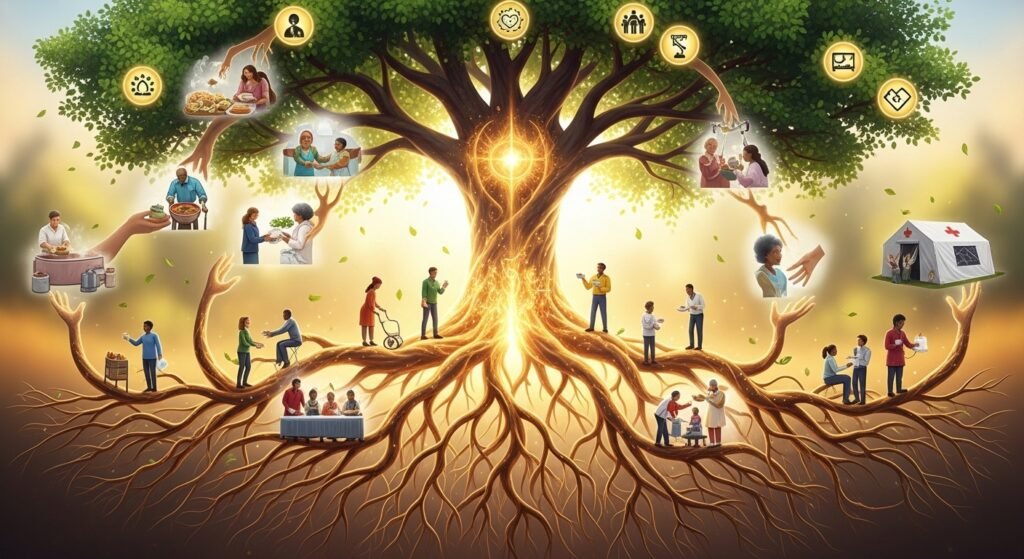
According to Bahlon, compassion is the heartbeat of all meaningful service to others.
Compassion goes beyond sympathy, it involves deeply feeling another’s pain and choosing to respond with kindness, patience, and humility.
Compassion Defined in Bahlon’s Teachings
- Compassion conjoins feeling with action, turning empathy into tangible care.
- It requires vulnerability and openness to the suffering of others.
- Compassionate service is unconditional, driven not by obligation but by love.
- It rejects judgment and embraces all beings regardless of circumstance.
- Compassion creates healing spaces by offering genuine understanding.
Cultivating Compassion for Service
Bahlon offers practices to cultivate compassion for sustainable and profound service:
- Mindfulness meditation focusing on loving-kindness.
- Reflective journaling about personal and collective suffering.
- Active listening practice to tune into others’ experiences.
- Exercises to release judgment and prejudice.
- Engaging in community activities with inclusive intent.
Impact of Compassionate Service
- Compassionate service heals divisions within communities.
- It fosters emotional safety, inviting authentic dialogue.
- Compassion creates a feedback loop, deepening interpersonal bonds.
- It models behavior for others, inspiring community-wide empathy.
- Compassion in service prevents burnout through heartfelt connection.
3. Humility: The Heartbeat of Service to Others
Bahlon stresses that humility is vital for service to others to have true impact.
Without humility, service can become performative, self-serving, or disempowering to those we aim to help.
The Meaning of Humility in Service
- Humility means recognizing that we are all equal, regardless of roles.
- It removes the “savior” complex that places giver above receiver.
- Humility opens the door to learning from those we serve.
- It cultivates respect for diverse experiences and wisdom.
- Humble service is patient, accepting that change unfolds gradually.
Humility as a Practice
Bahlon encourages cultivating humility through:
- Regular self-reflection to identify ego-driven motives.
- Practicing gratitude for the opportunity to serve.
- Embracing mistakes as lessons rather than failures.
- Acknowledging limitations and boundaries openly.
- Seeking feedback from the community served to improve service.
Outcomes of Humble Service
- Creates stronger, more authentic human connections.
- Builds trust by demonstrating respect and equality.
- Encourages empowerment within communities.
- Reduces conflict and resentment through humility.
- Enhances personal growth by nurturing openness.
4. Healing Through the Act of Service
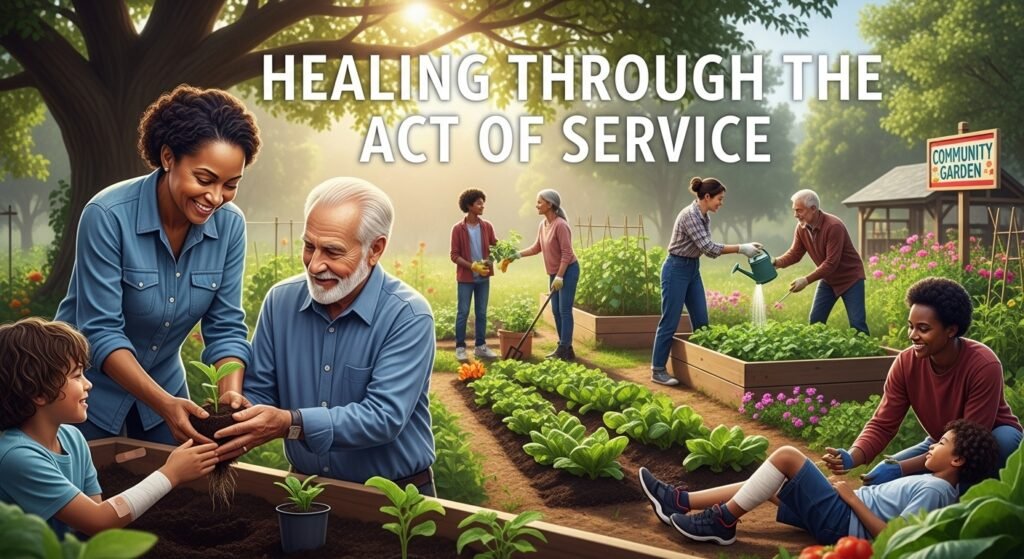
Bahlon reveals that acts of service to others become powerful pathways to personal and collective healing.
When we serve with sincerity, we confront and transform internal wounds such as fear, judgment, and attachment.
Service as a Mirror for Inner Healing
- Service exposes shadows hiding inside—pride, impatience, or prejudice.
- Working with others facilitates emotional release and growth.
- Healing through service requires vulnerability and courage.
- Service teaches forgiveness—of self and others.
- It reconnects us to love’s transforming power.
Service and Collective Healing
- Community service strengthens bonds that ease social isolation.
- Healing service fosters inclusivity for marginalized groups.
- It helps restore balance after trauma or conflict.
- Service supports mental health and emotional resilience.
- Collective healing through service builds stronger, united communities.
Practical Healing Approaches in Service
- Engaging in empathetic listening circles.
- Participating in restorative justice projects.
- Offering non-judgmental support to trauma survivors.
- Hosting community rituals that honor collective grief.
- Encouraging creative expression for emotional release.

5. Presence and Deep Listening as Keys to True Service
Presence, the art of being fully with others without distraction is foundational in Bahlon’s model of service to others.
Combined with deep listening, it creates space for genuine connection and understanding.
The Role of Presence in Service
- Presence fosters trust by showing that the other person matters.
- It requires setting aside assumptions and judgments.
- Being present is a form of loving attention that comforts.
- Presence allows us to respond appropriately to actual needs, not perceived ones.
- It enhances emotional intelligence by tuning into subtle cues.
Deep Listening as a Healing Tool
- Deep listening conveys respect and validation.
- It increases empathy and bridges communication gaps.
- Listening beyond words uncovers unspoken feelings and needs.
- It invites openness and vulnerability in conversations.
- Deep listening helps resolve conflicts and misunderstandings.
Cultivating Presence and Listening Skills
Bahlon recommends:
- Daily mindfulness meditation to develop focus.
- Practicing “active listening” in conversations.
- Reflecting back feelings to show understanding.
- Avoiding multitasking during interactions.
- Using body language to express attentiveness.

6. The Balanced Cycle of Giving and Receiving in Service
For Bahlon, service to others is not a one-way street but a dynamic exchange where giving and receiving nurture each other.
Recognizing this balance prevents burnout and sustains communities.
Understanding the Giving-Receiving Cycle
- Giving enriches the giver spiritually and emotionally.
- Receiving with grace allows us to remain open and humble.
- Mutual exchange fosters equality and dignity.
- Ignoring the need to receive leads to exhaustion.
- Balanced service creates sustainable relationships.
Benefits of Reciprocal Service
- Builds trust by showing interdependence.
- Encourages ongoing participation in community wellbeing.
- Enhances personal resilience and emotional support networks.
- Promotes generosity as a shared community value.
- Reduces feelings of isolation or resentment.
Practical Tips for Balanced Service
- Encourage feedback and appreciation from recipients.
- Accept help when offered without guilt.
- Set healthy boundaries to maintain energy.
- Rotate leadership roles in service projects.
- Reflect regularly on motivations and limits.

7. Embedding Service to Others Into Your Daily Life
Bahlon’s final lesson is that true service to others is not only for special occasions but a lifelong, daily practice integrated into ordinary actions.
Everyday Service as a Lifestyle
- Kindness in routine interactions counts as powerful service.
- Patience with family, colleagues, and strangers builds service habits.
- Service as a lifestyle aligns actions with core values.
- Daily service nurtures inner joy and external harmony.
- It creates a ripple effect inspiring others by example.
Tips for Integrating Service Daily
- Practice small acts like holding doors or offering compliments.
- Respond to others’ needs with presence and empathy.
- Volunteer time or skills regularly, even in small ways.
- Lead by example, showing consistency in service.
- Reflect each day on moments when service was practiced.
Comprehensive Table: 7 Lessons of Service to Others According to Bahlon
| Lesson Number | Lesson Title | Description | Key Outcome |
|---|---|---|---|
| 1 | Service as a Spiritual Path | Service as a sacred inner discipline connecting ego to soul | Awakening and alignment with divine purpose |
| 2 | Compassion at the Heart | Empathy in action that creates unconditional kindness | Healing and deep interpersonal connection |
| 3 | Humility as Foundation | Service without ego or superiority | Equality and authentic relationships |
| 4 | Healing Through Service | Using service as a mirror for personal and community healing | Emotional growth and social resilience |
| 5 | Presence and Listening | Mindful attention and deep listening in service | Building trust and understanding |
| 6 | Giving-Receiving Reciprocity | Balanced exchange sustaining service | Prevention of burnout and stronger networks |
| 7 | Service as Daily Practice | Consistent small acts embodying service as a lifestyle | Lasting joy and community impact |
Frequently Asked Questions (FAQs) on Service to Others
1. What exactly is meant by service to others?
Service to others is selflessly offering your time, abilities, and compassion to help and uplift others without expecting something in return.
2. How can I make service a spiritual practice?
Approach service with mindful intention and openness, seeing it as an expression of love and connection rather than obligation.
3. Why is compassion important in service?
Compassion links feeling and action, ensuring service is meaningful, empathetic, and transformative.
4. How does humility influence service?
Humility removes ego barriers, allowing authentic, respectful, and empowering connections with those served.
5. Can service help me heal emotional wounds?
Yes, service mirrors inner challenges and offers opportunities for growth, forgiveness, and emotional resilience.
6. What role does listening play in effective service?
Deep listening creates trust and accurately meets real needs by uncovering feelings beyond surface communication.
7. How do I avoid burnout while serving?
Balance giving with receiving, set boundaries, and cultivate a community that supports mutual aid.
8. Can small daily actions be considered true service?
Absolutely; small, consistent acts of kindness accumulate to create profound positive impact.
9. How should I receive help when serving others?
Graciously and without guilt, acknowledging that receiving sustains your ability to give.
10. How can I integrate service into a busy lifestyle?
Prioritize intentional small acts, cultivate empathy in everyday encounters, and recall service as a core personal value.
Conclusion: Embracing Service to Others as a Transformative Life Path
Bahlon’s teachings illuminate that service to others is far more than occasional acts it is a profound spiritual journey that transforms both the giver and the receiver.
By embracing service as a path of compassion, humility, healing, presence, reciprocity, and daily integration, we invite deeper connection, purpose, and joy into our lives.
When service becomes a way of being rather than just doing, it dissolves barriers and nurtures the unity of all beings.
It challenges us to grow beyond ego, to listen deeply, to give and receive with grace, and to heal collectively.
Serving others, as Bahlon reminds us, is ultimately an act of love that nurtures humanity and awakens the soul.
By applying these seven life-changing lessons, you can cultivate authentic, sustaining service that uplifts communities while enriching your own spiritual and emotional life.
Let this wisdom inspire you today to see every moment as an opportunity to serve with heart, presence, and humility experiencing how true service to others can transform your world from the inside out.