
Shadow work is a profound psychological and spiritual practice that involves facing and integrating the hidden, often unconscious parts of oneself known as the “shadow.” These shadow parts include repressed desires, fears, emotions, and traits that we deny or reject because they conflict with our conscious identity or social conditioning. Originally conceptualized by Carl Jung, embracing shadow work allows individuals to heal emotional wounds, break destructive patterns, and unlock deeper self-awareness and authentic living. This comprehensive guide explores shadow work’s essence, practical methods, benefits, and transformative potential, especially resonating with audiences in the United Kingdom and the USA who seek emotional depth and healing in fast-paced, often pressured environments.
Table of Contents
- Introduction to Shadow Work
- Understanding the Shadow Self
- The Origins of Shadow Work: Carl Jung’s Perspective
- Common Shadow Traits and How They Manifest
- Why We Repress Our Shadow
- The Psychological and Spiritual Benefits of Shadow Work
- Preparations for Starting Shadow Work Safely
- Practical Shadow Work Exercises and Techniques
- How Shadow Work Enhances Emotional Resilience
- Shadow Work for Better Relationships
- Integrating Shadow Work into Daily Life
- Frequently Asked Questions About Shadow Work

What Is Shadow Work? Exploring Your Inner Darkness
Shadow work means consciously exploring the parts of yourself that you often avoid—those hidden fears, beliefs, and emotional wounds tucked beneath the surface.
These shadows influence your behaviors or reactions in ways you might not understand because they lie outside your conscious awareness.
Traditionally viewed as dark or negative, these elements are powerful aspects of the whole self that seek recognition and healing rather than denial.
Embracing these parts fosters mental clarity, emotional balance, and deeper authenticity.
- Shadow work brings repressed emotions and traits to light.
- It requires acceptance, not suppression or judgement.
- Enables personal growth by addressing unconscious influences.
- Reduces projection of unwanted traits onto others.
- Leads to increased empathy and emotional freedom.
Shadow work offers a path to address emotional fragmentation common in fast-paced, achievement-focused cultures.

Understanding the Shadow Self
The shadow self contains all the qualities, memories, and feelings that the conscious self rejects.
Examples include jealousy, anger, shame, greed, and fear. Everyone has a shadow, composed of both “dark” traits and hidden potentials.
By understanding your shadow, you uncover unconscious motivations behind your actions and habitual patterns, enabling you to transform limiting behaviors.
- Shadows often emerge in relationships and emotional triggers.
- They can manifest as inner criticism or compulsive behaviors.
- Recognizing your shadow aids emotional regulation and awareness.
- Integrating the shadow balances the personality.
- It restores authenticity and personal power.

The Origins of Shadow Work: Carl Jung’s Perspective
Swiss psychologist Carl Jung introduced the concept of the shadow as a fundamental aspect of the psyche, comprising repressed and unknown parts of ourselves vital for psychological wholeness.
Jung believed that shadow integration is essential for individuation—the process of becoming a fully realized individual.
He emphasized that the shadow often contains both destructive tendencies and creative potential, and that facing the shadow is key for true self-awareness.
- Shadow is unconscious and influences conscious life.
- Ignoring the shadow causes imbalance and psychological distress.
- Individuation requires embracing the shadow self.
- Dreams and symbols reveal shadow material.
- Shadow work promotes healing and spiritual growth.
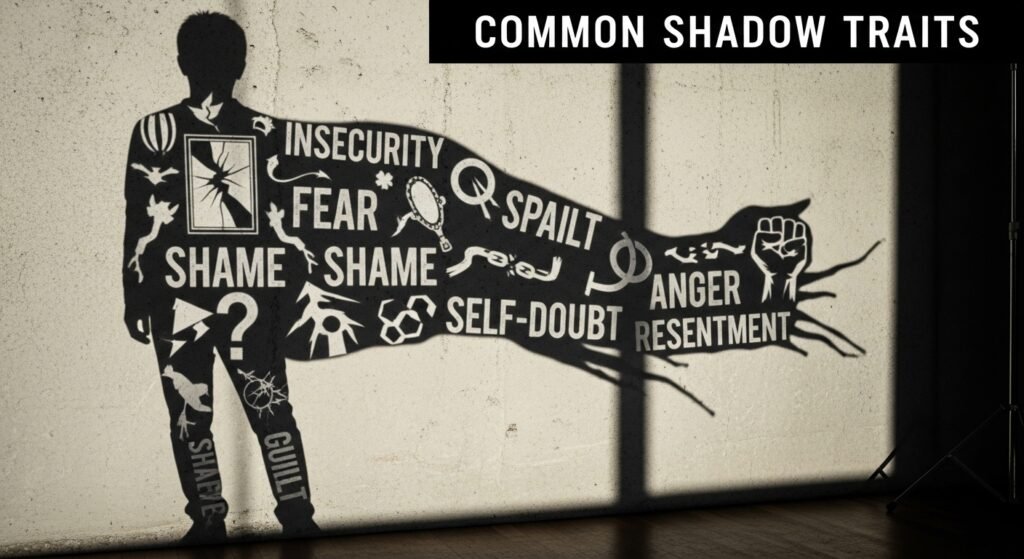
Common Shadow Traits and How They Manifest
The shadow can express through a variety of traits and behaviors, often unconsciously projected or acted out. Common shadow traits include:
- Anger and aggression
- Envy and jealousy
- Fear and anxiety
- Pride and arrogance
- Shame and guilt
- Passive-aggressiveness
- Addictive behaviors
Manifestations include repeating toxic relationship patterns, sabotaging success, or judging others harshly.
Recognizing these traits in yourself is a key step toward transformation.

Why We Repress Our Shadow
Repression of shadow traits primarily occurs because they conflict with societal norms, personal ideals, or self-image.
Fear of judgment, vulnerability, or rejection leads us to hide these parts.
Childhood conditioning and trauma often reinforce this repression.
However, repression increases inner tension and can lead to emotional outbursts or disconnection.
- Fear of not being accepted socially or personally.
- Desire to maintain a positive self-image.
- Trauma and early conditioning reinforce denial.
- Repression creates unconscious energy that affects behavior.
- Shadow work reduces internal conflict by allowing expression.

The Psychological and Spiritual Benefits of Shadow Work
Shadow work offers a wide array of psychological and spiritual benefits that significantly enhance overall well-being and personal growth.
Psychologically, it helps individuals gain profound self-awareness by uncovering unconscious beliefs, triggers, and repressed emotions, which often cause recurring patterns and emotional distress.
This increased awareness fosters emotional healing, allowing one to process past traumas and release pent-up feelings such as anger, shame, or fear.
Spiritually, shadow work promotes a deeper connection to one’s authentic self, facilitating a sense of wholeness and inner peace.
It encourages embracing both light and dark aspects, creating balance and harmony within.
Additionally, shadow work enhances emotional intelligence and mindfulness, improving relationships and decision-making.
Ultimately, by integrating the shadow, individuals develop resilience, compassion, and a transformative understanding of themselves that supports lifelong growth and fulfillment.
Facing your shadow brings multiple benefits, including psychological healing and spiritual deepening:
- Greater self-awareness and emotional intelligence
- Healing past trauma and emotional wounds
- Reduction in anxiety, shame, and depression
- Enhanced creativity and personal growth
- Spiritual awakening and deeper connection to self
- Improved relationships and empathy
Shadow work cultivates wholeness, enabling you to live authentically and consciously.

Preparations for Starting Shadow Work Safely
Starting shadow work safely involves thoughtful preparation to ensure emotional well-being throughout this deep introspective journey.
First, create a calm, supportive environment—whether a quiet room or peaceful outdoor space—where you feel safe and free from interruption.
Center yourself by practicing grounding techniques such as deep breathing or mindfulness meditation to cultivate emotional stability.
Approach shadow work with self-compassion, recognizing that everyone has a shadow and that facing it requires kindness toward yourself.
Set clear intentions and boundaries for your work, pacing yourself to avoid overwhelm or emotional burnout.
Lastly, build a support system, whether through trusted friends, therapists, or support groups, so you have encouragement and guidance if difficult emotions arise.
These steps create a safe container for profound self-discovery and healing.
Shadow work can surface intense emotions; therefore, careful preparation is essential:
- Create a supportive, quiet space for introspection
- Practice grounding techniques before and after sessions
- Set clear intentions and limits for your practice
- Use journaling or artistic expression to process feelings
- Seek professional support if needed, especially with trauma history
- Approach the work with patience, compassion, and non-judgment

Practical Shadow Work Exercises and Techniques
Practical shadow work exercises and techniques offer tangible ways to explore, acknowledge, and integrate your hidden shadow self for healing and growth.
One foundational method is journaling with targeted shadow work prompts that help uncover unconscious beliefs, emotional triggers, and disowned qualities.
Mindfulness meditation supports noticing emotions and thoughts non-judgmentally, creating awareness of shadow patterns as they arise.
Another powerful technique is dialoguing with the shadow, where you imagine conversations with your shadow traits to better understand their message and needs.
Dream analysis provides symbolic insight into shadow aspects through unconscious imagery. Role reversal and creative expression like painting or movement also unlock buried emotions.
Together, these techniques offer a compassionate yet effective pathway to integrate your shadow and cultivate wholeness.
Start integrating shadow work with these foundational practices:
- Journaling Prompts: Explore questions about your fears, triggers, and hidden desires.
- Meditation: Practice mindfulness to observe unconscious thoughts and feelings.
- Dream Analysis: Record and interpret symbols that reveal shadow aspects.
- Writing Letters: Write dialogues with your shadow self to understand its needs.
- Creative Arts: Use drawing, painting, or movement therapies to express shadow elements.
- Therapy: Work with a therapist trained in Jungian or depth psychology approaches.
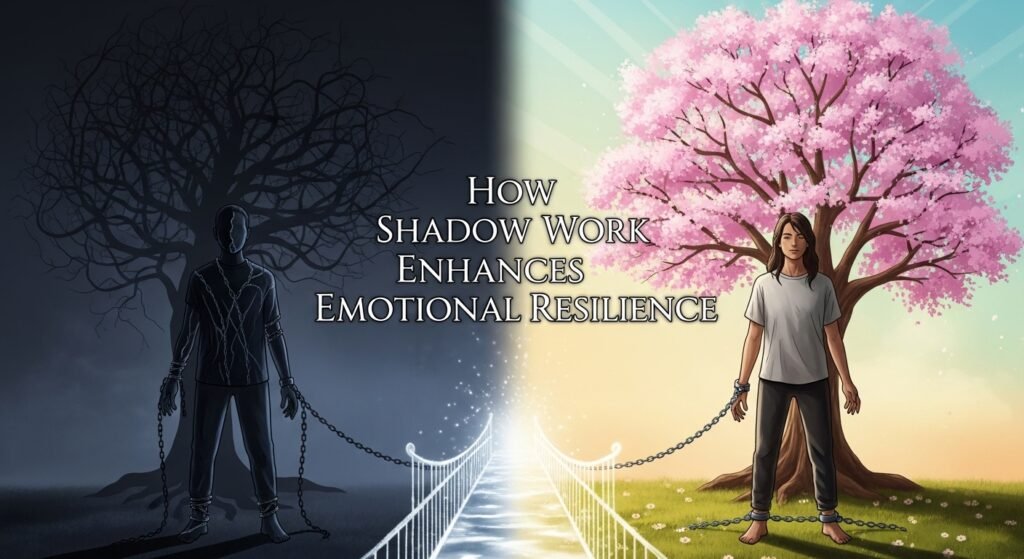
How Shadow Work Enhances Emotional Resilience
By confronting and integrating difficult emotions, shadow work strengthens emotional resilience.
It teaches you to sit with discomfort, manage emotional triggers, and respond rather than react.
This ongoing practice builds mental endurance and cultivates a calm, centered state amid challenges.
- Improves emotional regulation and stability
- Reduces impulsivity and unconscious reactivity
- Builds capacity to face fear and uncertainty
- Enhances self-compassion and patience
- Supports long-term mental wellness

Shadow Work for Better Relationships
Shadow work enhances relationships by reducing projection and increasing empathy.
When you acknowledge your own flaws and vulnerabilities, you become less judgmental and more compassionate toward others.
This leads to improved communication, trust, and intimacy in personal and professional relationships.
- Clears unconscious biases affecting interactions
- Fosters authentic and honest communication
- Resolves conflicts with greater understanding
- Builds deeper emotional connections
- Encourages forgiveness and acceptance

Integrating Shadow Work into Daily Life
Integrating shadow work into daily life means consistently applying awareness and acceptance to your thoughts, emotions, and behaviors.
Begin by observing emotional triggers and reactions throughout your day, using them as opportunities to understand hidden shadow aspects.
Practice mindful reflection regularly, either through journaling or quiet contemplation, to notice recurring patterns or projections.
Engage in honest self-dialogue, questioning limiting beliefs and accepting uncomfortable feelings without judgment.
Incorporate creative outlets like art or movement to express and process shadow material.
Over time, this integration cultivates greater self-awareness, emotional balance, and authenticity, enriching everyday experiences and relationships.
Shadow work is not a one-time event but a continual process. Daily integration can include:
- Checking in with emotional triggers
- Practicing self-reflection before reacting
- Maintaining journaling and creative practice
- Engaging in honest conversations with trusted others
- Celebrating small breakthroughs and growth moments
Consistent integration fosters lasting transformation and inner peace.
Frequently Asked Questions About Shadow Work
- What is shadow work and why is it important?
Shadow work is exploring unconscious parts of yourself to heal and grow; it’s vital for self-awareness and authenticity. - Does shadow work mean focusing only on negative traits?
No, it involves acknowledging all hidden aspects, including potentials and positive qualities. - Can anyone do shadow work alone?
Yes, but some shadow work, especially trauma-related, is safer with professional guidance. - How long does shadow work take?
It’s a lifelong journey, but meaningful progress can begin within weeks or months. - What if I feel overwhelmed during shadow work?
Pause, use grounding techniques, and seek support if needed. - How does shadow work affect relationships?
It improves relationships by reducing projections and increasing empathy and honesty. - Is shadow work connected to therapy or spirituality?
Yes, shadow work overlaps with both psychotherapeutic and spiritual healing practices. - Can shadow work help with anxiety and depression?
Yes, by addressing repressed emotions and unresolved trauma, it supports mental health. - What are common signs that shadow work is needed?
Recurring toxic patterns, emotional outbursts, or feeling disconnected signal shadow work necessity. - Are dreams important in shadow work?
Dreams often reveal symbolic messages from the unconscious shadow parts. - Is shadow work the same as self-reflection?
Shadow work deeper dives into unconscious and rejected parts beyond typical self-reflection. - How do I begin shadow work safely?
Start with gentle exercises, build self-compassion, and consider therapy when needed.
Shadow Work: Summary Table
| Aspect | Description | Benefits |
|---|---|---|
| Shadow Self | Repressed traits, emotions, and desires hidden from consciousness | Self-awareness, healing |
| Methods | Journaling, meditation, dream analysis, creative arts, therapy | Emotional clarity, integration |
| Emotional Benefits | Reduced projections, increased empathy, improved emotional regulation | Better mental health and relationships |
| Challenges | Facing discomfort, fear, societal stigma | Personal growth, resilience |
| Cultural Relevance | Addresses emotional fragmentation amid fast-paced, pressured living | Authentic self-expression, balance |
| Integration in Life | Daily reflection, honest communication, patience with self | Long-term emotional freedom and wholeness |
Shadow work is a transformative practice enriching the emotional and spiritual fabric of your life. By courageously facing your inner darkness, you unlock pathways to healing, growth, and authentic connection. For individuals, seeking deeper self-understanding and holistic balance amidst societal pressures, shadow work offers a profound road to freedom and vitality.
Are you ready to embrace your shadow and embark on this journey toward true wholeness?