Throughout life, certain spiritual experiences emerge that dramatically shift our understanding of self, reality, and purpose. These moments awaken consciousness, reshape beliefs, and foster a deep sense of connection to something greater than the individual ego.
Whether sudden or gradual, transformative spiritual experiences redefine who you are from the inside out—shaping your values, emotions, and actions.
In this comprehensive blog, we will explore 10 such pivotal experiences, illustrating how each can catalyze powerful inner growth and lasting transformation.
Table of Contents
- Understanding Spiritual Experiences
- Spiritual Awakening: The Doorway to Inner Transformation
- Mystical Experiences: Encountering Oneness Beyond Ego
- Near-Death Experiences (NDEs): Redefining Life and Death
- Deep Meditation States: Accessing Higher Consciousness
- Shamanic Journeys and Vision Quests: Tribal and Nature Connections
- Kundalini Awakening: Energy Rising and Expanded Awareness
- Sacred Ceremony Participation: Rituals That Open the Soul
- Spontaneous Transcendent Moments: Everyday Spiritual Epiphanies
- Dark Night of the Soul: The Path Through Spiritual Crisis
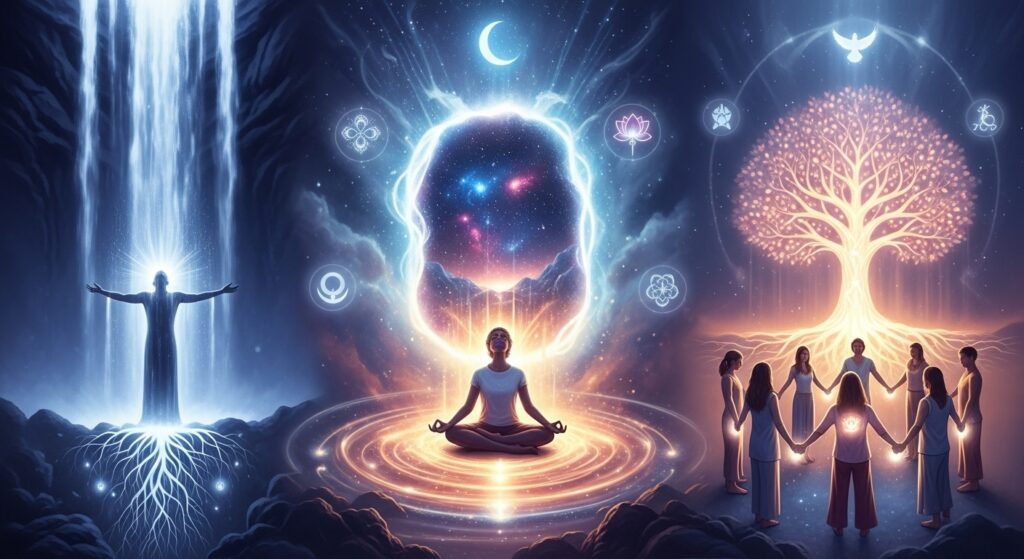
1. Understanding Spiritual Experiences
Spiritual experiences refer to moments when an individual perceives or connects with realities beyond ordinary senses or intellect.
These experiences transcend cultural and religious boundaries, offering direct encounters with greater truths or consciousness.
Transformative spiritual experiences often involve shifts in perception, emotional intensity, and profound meanings, which alter self-identity and worldview.
They can occur as flash insights or as immersive processes over time, frequently enhancing feelings of awe, unity, and unconditional love.
By fostering expanded awareness, spiritual experiences nurture qualities like compassion, presence, and humility—foundational for personal and collective well-being.
- Spiritual experiences vary widely across cultures and traditions.
- They often involve altered states of consciousness.
- Can be triggered intentionally or spontaneously.
- Foster deep emotional and cognitive shifts.
- Lead to a reevaluation of life purpose and values.
- Promote connectedness with others and the universe.
- Enhance psychological resilience and well-being.
- Often challenge old belief systems and paradigms.
- Cultivate deeper self-awareness and authenticity.
- Serve as catalysts for lasting personal transformation.

2. Spiritual Awakening: The Doorway to Inner Transformation
Spiritual awakening is among the most recognized spiritual experiences, characterized by an expanded awareness of the self and reality.
This awakening often involves shedding egoic attachments, revealing a profound interconnectedness with all life.
As a transformative process, spiritual awakening may begin gradually with increased presence and compassion or come suddenly as an intense insight.
The experience redefines your understanding of identity, dissolving separateness and cultivating inner peace.
Spiritual awakening encourages living authentically, aligning actions with higher values and purpose.
While deeply rewarding, awakening can also bring challenges such as questioning long-held beliefs and facing emotional vulnerability.
- Awakening shifts focus from self-centeredness to unity.
- Often accompanied by heightened intuition and empathy.
- Encourages mindful living and ethical behavior.
- May lead to changes in relationships and lifestyle.
- Facilitated by meditation, contemplation, or life events.
- Challenges existing mental and emotional patterns.
- Supports healing and integration of past wounds.
- Opens awareness of spiritual dimensions beyond the physical.
- Motivates service and altruism.
- Awakening is an ongoing unfolding, not a single event.

3. Mystical Experiences: Encountering Oneness Beyond Ego
Mystical experiences are profound spiritual states marked by a direct encounter with ultimate reality or oneness.
These experiences transcend normal perception and language, often described as ineffable, timeless, and boundless.
Mystical states dissolve the egoic self, revealing unity with all existence and an overwhelming sense of love and peace.
Such experiences can profoundly transform identity, dissolving dualities and fostering compassion and humility.
While commonly connected with religious traditions, mysticism transcends dogma and invites universal truths into conscious awareness.
Mystical experiences deepen connection to the divine or cosmic, inspiring life-affirming perspectives and transcendent wisdom.
- Mysticism involves union with universal consciousness.
- Experiences defy explanation and conventional logic.
- Foster surrender and ego dissolution.
- Often accompanied by blissful emotions and clarity.
- Inspire ethical living and compassion.
- May arise spontaneously or through spiritual practice.
- Challenge materialistic or reductionist views.
- Support deep emotional healing and integration.
- Mystical insights often guide life purpose.
- Enhance resilience through expanded meaning.
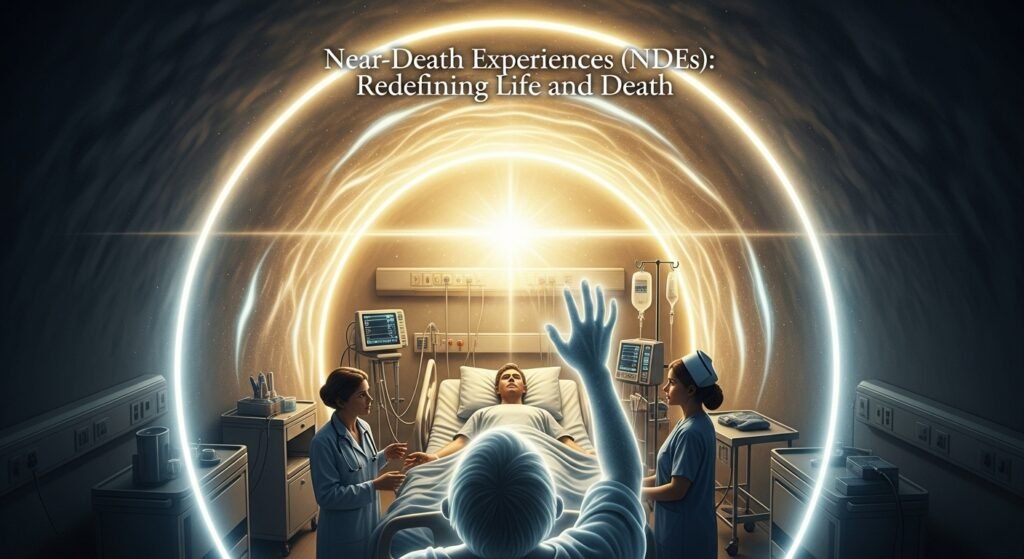
4. Near-Death Experiences (NDEs): Redefining Life and Death
Near-death experiences (NDEs) are spiritual encounters occurring at the brink of death or during clinical death episodes.
These experiences commonly include sensations of leaving the body, moving toward a light, encountering spiritual beings, or reliving life memories.
NDEs fundamentally alter attitudes toward life, death, and what lies beyond, often eliminating fear of dying.
Individuals who have NDEs frequently report increased compassion, a sense of mission, and heightened spirituality.
These transformative experiences redefine identity by bridging physical existence and spiritual continuity.
The profound shifts inspired by NDEs often lead to significant lifestyle changes and renewed life purpose.
- NDEs reveal consciousness beyond the physical body.
- Frequently involve feelings of unconditional love and peace.
- Disrupt fear-based perspectives on death.
- Inspire greater empathy and altruism.
- Promote spiritual curiosity and study.
- May cause challenges integrating new insights.
- Encourage living more intentionally and presently.
- Highlight interconnectedness of life and spirit.
- Often prompt re-evaluation of values and priorities.
- Serve as powerful spiritual transformational events.
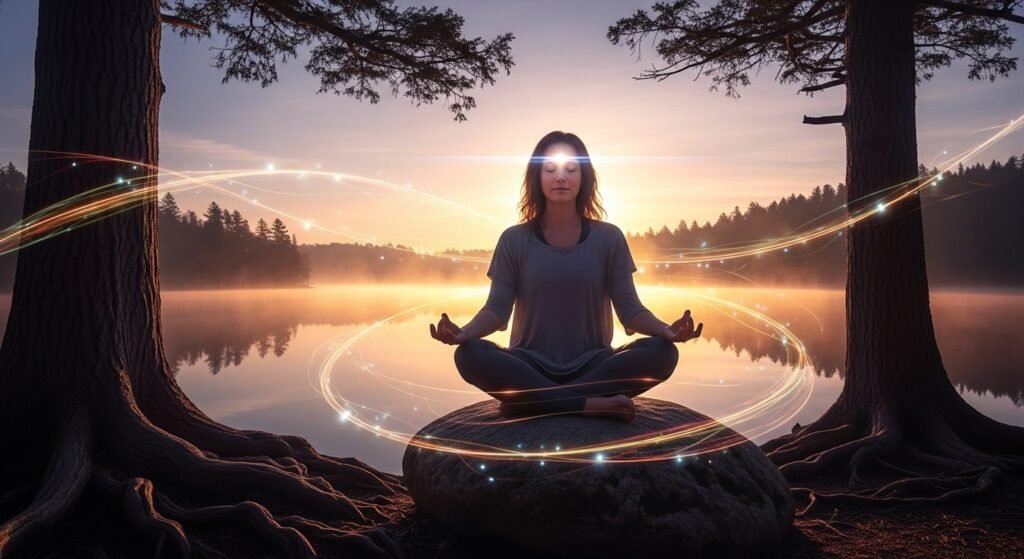
5. Deep Meditation States: Accessing Higher Consciousness
Deep meditation is a spiritual experience that allows access to expanded states of consciousness beyond the habitual mind.
Through focused attention and stillness, practitioners might experience profound silence, bliss, or visions that reveal inner wisdom and universal truths.
These meditative states promote clarity by quieting mental noise and opening awareness to subtle energy and spiritual dimensions.
Over time, deep meditation fosters lasting transformation by cultivating presence, equanimity, and insight.
Such experiences realign self-perception with timeless awareness rather than transient thoughts and emotions, supporting a redefinition of identity grounded in being rather than doing.
- Meditation calms the mind and body.
- Deep states reveal layers of consciousness.
- Encourage inner healing and balance.
- Promote detachment from egoic fluctuations.
- Facilitate intuitive knowing and clarity.
- Support embodiment of spiritual qualities.
- Enhance emotional regulation and resilience.
- Foster compassion and interconnectedness.
- Establish foundation for ongoing spiritual growth.
- Deep meditation is both a practice and experience.

6. Shamanic Journeys and Vision Quests: Tribal and Nature Connections
Shamanic journeys and vision quests are ancient spiritual experiences involving guided or solitary explorations into altered states to receive wisdom, healing, or direction.
These practices connect the seeker deeply with nature, ancestors, and spirit guides, often through ritual, chanting, and drumming.
The visionary experiences encountered can redefine identity by unveiling hidden gifts, resolving inner conflicts, or clarifying life paths.
Participants report profound emotional release, insight, and connection to the web of life.
Shamanic experiences resonate with the primal essence of humanity, inviting reconnection with Earth’s rhythms and cosmic forces.
- Shamanic journeys foster deep soul healing.
- Vision quests utilize solitude and nature immersion.
- Both evoke altered perceptions and insights.
- Enhance connection with ancestral wisdom and spirit guides.
- Facilitate resolution of personal and collective wounds.
- Encourage ecological awareness and stewardship.
- Promote integration of mind, body, and spirit.
- Support emotional catharsis and transformation.
- Reveal personal and cosmic purpose.
- Root spiritual identity in earthly and cosmic unity.

7. Kundalini Awakening: Energy Rising and Expanded Awareness
Kundalini awakening is a potent spiritual experience involving the awakening of latent energy coiled at the base of the spine.
Triggered spontaneously or through practices like yoga and meditation, this awakening propels energy upward through chakras, igniting profound shifts in consciousness, sensation, and emotional states.
Kundalini experiences often include feelings of bliss, visions, or physical sensations.
While invigorating, the awakening can be intense and requires guidance for safe integration.
It redefines identity by revealing the interplay between energy, mind, and spirit, fostering heightened awareness and spiritual capacities.
Kundalini awakening supports deep healing, courage, and alignment with one’s divine purpose.
- Kundalini is described as a powerful life force energy.
- Awakening can produce transformative physical and psychological effects.
- Often accompanied by expanded perceptions and insights.
- Requires mindful grounding and support.
- Challenges include managing intense energy surges.
- Supports integration of spiritual energy into daily life.
- Awakens latent spiritual faculties and intuition.
- Promotes self-realization and liberation.
- Deepens connection with universal consciousness.
- Kundalini is both a process and experiential reality.

8. Sacred Ceremony Participation: Rituals That Open the Soul
Sacred ceremonies—ranging from indigenous rites to modern spiritual gatherings—offer immersive spiritual experiences that open participants to healing, awakening, and community connection.
Rituals often involve symbolic acts, music, chanting, or sacred substances, facilitating altered states and deep emotional and spiritual release.
Participation in ceremonies redefines identity by reconnecting with ancestral roots, collective energies, and the numinous.
Ceremonial experiences cultivate humility, gratitude, and reverence, fostering transformation in ways that transcend intellectual understanding.
These communal practices provide supportive containers for spiritual breakthroughs and long-term integration.
- Ceremonies serve as portals to sacred experience.
- Symbolic actions engage mind, body, and spirit.
- Facilitate collective and personal healing.
- Deepen connection with ancestors and nature.
- Offer emotional release and clarity.
- Build community and shared spiritual identity.
- Often involve chanting, dance, or rituals.
- Support initiation into spiritual mysteries.
- Encourage reverence and gratitude.
- Strengthen commitment to spiritual growth.

9. Spontaneous Transcendent Moments: Everyday Spiritual Epiphanies
Spontaneous transcendent moments are unsought yet profound experiences that arise unexpectedly in everyday life.
These moments—such as a sudden sense of cosmic unity, awe at nature, or deep inner stillness—disrupt ordinary perception and reveal the sacred within the mundane.
Though brief, these spiritual experiences can leave lasting impressions, inspiring shifts in awareness and values.
They redefine identity by punctuating life with glimpses of timelessness and interconnectedness.
Recognizing and integrating these moments fosters openness, gratitude, and presence, which collectively enhance spiritual maturity and well-being.
- Often occur during quiet reflection or nature appreciation.
- Disrupt habitual thought patterns with awe or insight.
- Provide direct access to the numinous.
- Help find meaning in everyday life.
- Foster gratitude and wonder.
- Encourage openness to mystery and uncertainty.
- Support ongoing spiritual curiosity.
- Breakdown egoic boundaries momentarily.
- Inspire life adjustments in alignment with revelations.
- Serve as gateways for deeper spiritual exploration.

10. Dark Night of the Soul: The Path Through Spiritual Crisis
The dark night of the soul is a challenging spiritual experience involving profound inner turmoil, confusion, and existential questioning.
Though painful, this journey is transformative, stripping away illusions and superficial attachments to reveal deeper spiritual truths.
The process culminates in renewal, clearer self-understanding, and authentic peace.
Dark nights challenge identity and faith, pushing seekers to surrender control and embrace vulnerability.
Historically described by mystics, this experience redefines who you are by uncovering hidden layers of shadow and light within, leading to lasting spiritual maturity and compassion.
- Dark night involves spiritual desolation and loss of certainty.
- Encourages deep introspection and emotional facing.
- Strips away false ego and attachments.
- Often precedes significant spiritual breakthroughs.
- Fosters humility and surrender.
- Supports integration of shadow aspects.
- Enhances compassion for self and others.
- Can involve feelings of isolation and despair.
- Ultimately leads to renewal and clarity.
- A rite of passage for profound awakening.
Summary Table: 10 Transformative Spiritual Experiences
| No. | Experience | Core Impact | How It Redefines Identity |
|---|---|---|---|
| 1 | Spiritual Awakening | Expanded awareness and peace | Shift from ego to unity |
| 2 | Mystical Experiences | Encounter with oneness | Dissolution of separateness |
| 3 | Near-Death Experiences (NDEs) | Fearlessness and compassion | Bridging life and death realities |
| 4 | Deep Meditation States | Clarity and stillness | Being-centered identity |
| 5 | Shamanic Journeys | Healing and wisdom from nature | Connection to ancestral roots |
| 6 | Kundalini Awakening | Energy activation and insight | Integration of body, mind, spirit |
| 7 | Sacred Ceremony Participation | Ritualized awakening and release | Collective sacred identity |
| 8 | Spontaneous Transcendent Moments | Awe and presence | Glimpses of timelessness |
| 9 | Dark Night of the Soul | Spiritual crisis and renewal | Deep self-awareness and maturity |
| 10 | Transformation Through Service | Purpose and interconnectedness | Living aligned with greater good |
Frequently Asked Questions (FAQs)
1. What qualifies as a spiritual experience?
Spiritual experiences are moments that connect you with realities beyond normal perception, often involving profound emotional and cognitive shifts.
2. Can spiritual experiences happen spontaneously?
Yes, many arise unexpectedly in everyday life, such as sudden feelings of awe or deep presence.
3. How do spiritual experiences change who I am?
They alter your worldview, values, emotional patterns, and sense of identity, leading to deeper authenticity and peace.
4. Are spiritual awakenings always positive?
While ultimately transformative, awakening can involve challenges such as emotional vulnerability or crises.
5. What is the dark night of the soul?
A difficult spiritual crisis that precedes major breakthroughs in self-awareness and peace.
6. How do meditation states contribute to spiritual growth?
They deepen presence, clarify mind, and open access to higher consciousness.
7. What role do rituals play in spirituality?
Rituals offer structured frameworks to facilitate spiritual experiences, healing, and community bonding.
8. Can near-death experiences really change outlooks?
Yes, NDEs often eliminate fear of death and increase compassion and spiritual curiosity.
9. How do spontaneous spiritual moments impact daily life?
They inspire awe, gratitude, and motivate alignment with deeper values.
10. Is it necessary to seek spiritual experiences actively?
They can arise naturally or through practices; intentional seeking may deepen awareness but openness is key.
Conclusion: Embracing Transformative Spiritual Experiences to Redefine Your True Self
Transformative spiritual experiences serve as profound catalysts that redefine your identity by expanding consciousness, awakening deeper purpose, and fostering inner peace. Whether through spiritual awakening, mystical states, near-death encounters, or rituals, these experiences dissolve limiting beliefs and egoic barriers, inviting you to live more authentically and connected. Each experience offers unique insights that reshape your perception of life, death, and the deeper interconnectedness of all beings. Embracing these moments with openness and integration allows long-lasting transformation, where self-love, courage, and clarity naturally arise. Ultimately, transformative spiritual experiences guide you toward your highest potential, inviting a life aligned with love, wisdom, and the true essence of who you are.