
7 powerful techniques for stress & anxiety management that truly work provide practical, evidence-based solutions to transform overwhelm into calm and restore emotional balance. Whether you face daily stressors or chronic anxiety, these strategies engage mind, body, and spirit to support resilience and well-being. Discover actionable methods that not only relieve tension quickly but cultivate lasting inner peace and mental clarity.
Table of Contents
- Mindfulness Meditation for Present-Moment Awareness
- Progressive Muscle Relaxation for Physical Calm
- Breathwork Techniques to Regulate Nervous System
- Cognitive Behavioral Strategies to Reframe Thoughts
- Exercise and Movement to Release Stress
- Journaling for Emotional Processing and Clarity
- Establishing Healthy Boundaries and Self-Care Routines
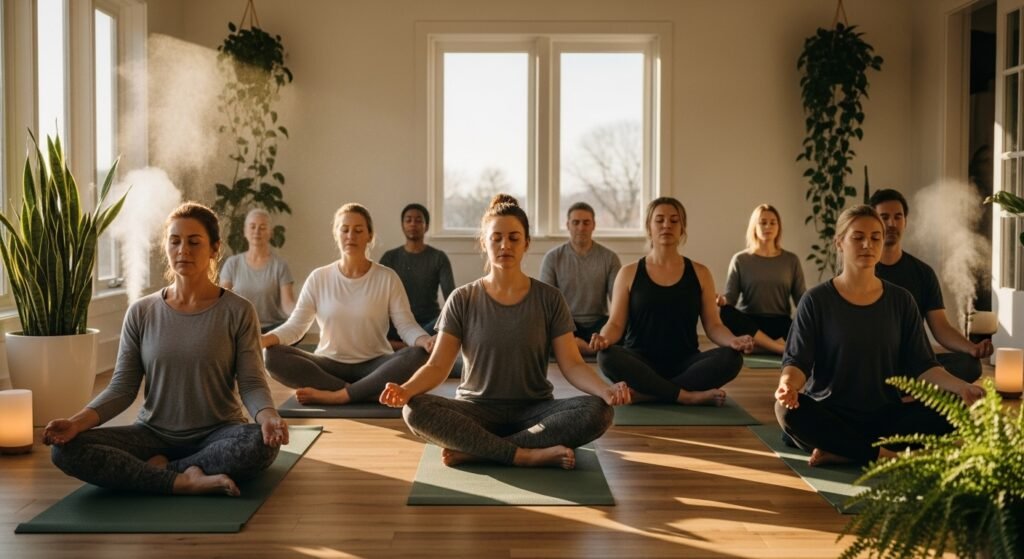
Mindfulness Meditation for Present-Moment Awareness in Stress & Anxiety Management That Truly Work
Mindfulness meditation cultivates present-moment awareness, reducing the habitual tendency to ruminate on stressors or anxious scenarios.
By observing thoughts and sensations without judgment, this technique helps interrupt the cycle of worry and fear.
Regular practice strengthens neural pathways for emotional regulation and attention control, promoting mental calm.
Mindfulness encourages acceptance and detachment from stress responses, creating space for peace even in difficult situations.
Scientific research links consistent mindfulness meditation to lower cortisol levels and improved psychological resilience.
How to Practice Mindfulness Meditation
- Find a quiet, comfortable space
- Sit or lie down with relaxed posture
- Focus attention on the breath or bodily sensations
- Notice thoughts and feelings without judgment
- Gently return focus when distracted
- Start with 5-10 minutes daily, increasing gradually
- Use guided meditation apps if needed
- Practice mindfulness in daily activities
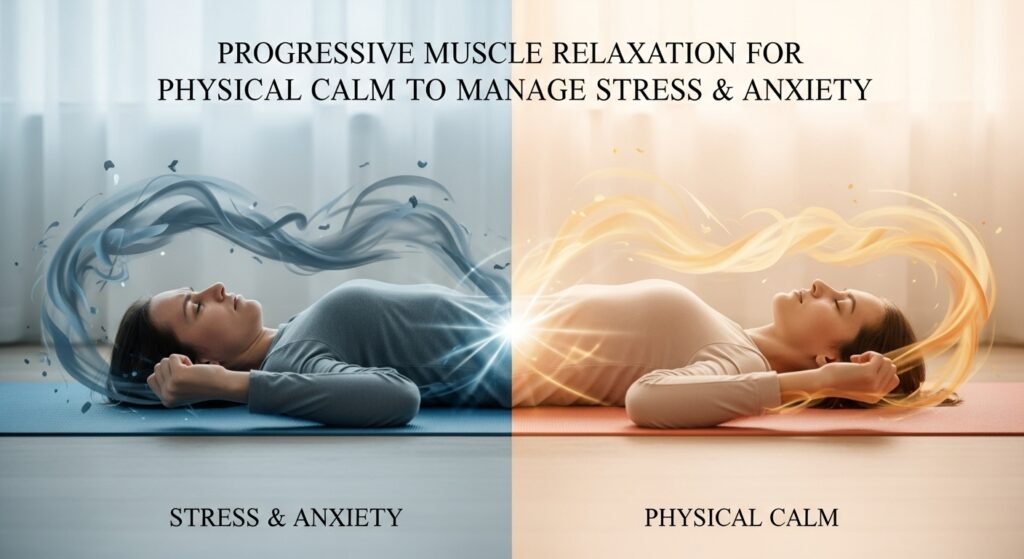
Progressive Muscle Relaxation for Physical Calm to Manage Stress & Anxiety
Progressive Muscle Relaxation (PMR) is a technique that systematically tenses and releases muscle groups to reduce physical tension connected to stress and anxiety.
It increases body awareness and interrupts the stress response by promoting relaxation.
PMR decreases muscle tightness, heart rate, and blood pressure, contributing to an overall sense of calm.
This practice is accessible, can be done seated or lying down, and suits beginners and advanced practitioners.
PMR also enhances mind-body connection vital for managing anxiety.
How to Practice Progressive Muscle Relaxation
- Begin seated or lying comfortably
- Tense individual muscle groups for 5-10 seconds
- Release tension slowly, noticing sensation
- Progress from feet to head or vice versa
- Breathe deeply and evenly throughout
- Avoid straining; keep it gentle and mindful
- Practice 10-20 minutes daily or during stress
- Combine with calming music or guided sessions
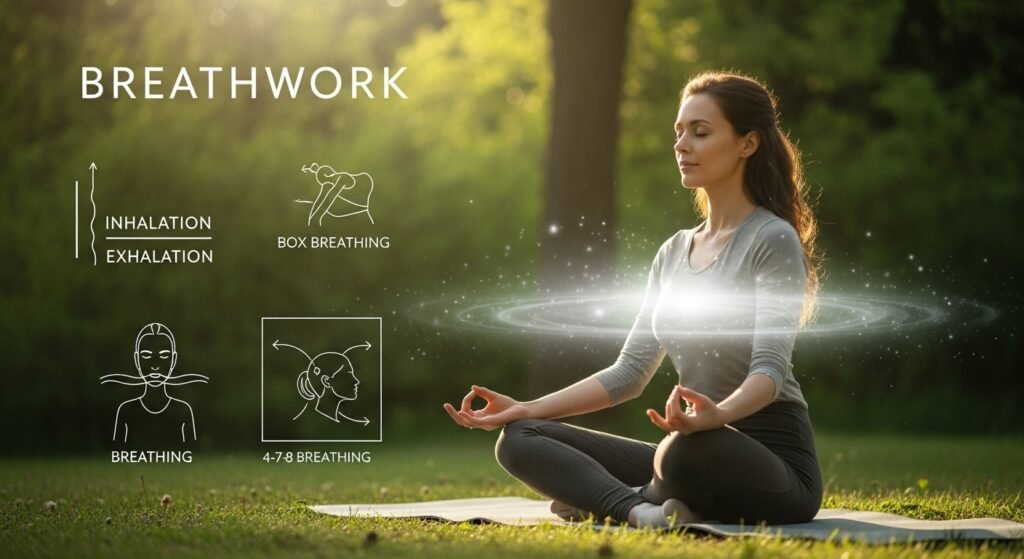
Breathwork Techniques to Regulate Nervous System for Stress & Anxiety Management
Breathwork harnesses conscious control over breathing patterns to activate the parasympathetic nervous system, reducing stress and anxiety symptoms.
Various techniques like diaphragmatic breathing, box breathing, and alternate nostril breathing calm the mind and balance energy flow.
Breathwork helps mitigate panic, improves oxygenation, and enhances focus and mindfulness.
Regular practice trains resilience to stress and re-establishes physiological balance disrupted by anxiety.
Effective Breathwork Techniques
- Diaphragmatic (deep belly) breathing
- Box breathing: inhale-hold-exhale-hold (4-4-4-4)
- Alternate nostril breathing (Nadi Shodhana)
- Resonance breathing (slow rhythmic breathing)
- Ujjayi breath (victorious breath)
- Breath counting meditation
- Guided breathwork videos or apps
- Practice several minutes multiple times daily
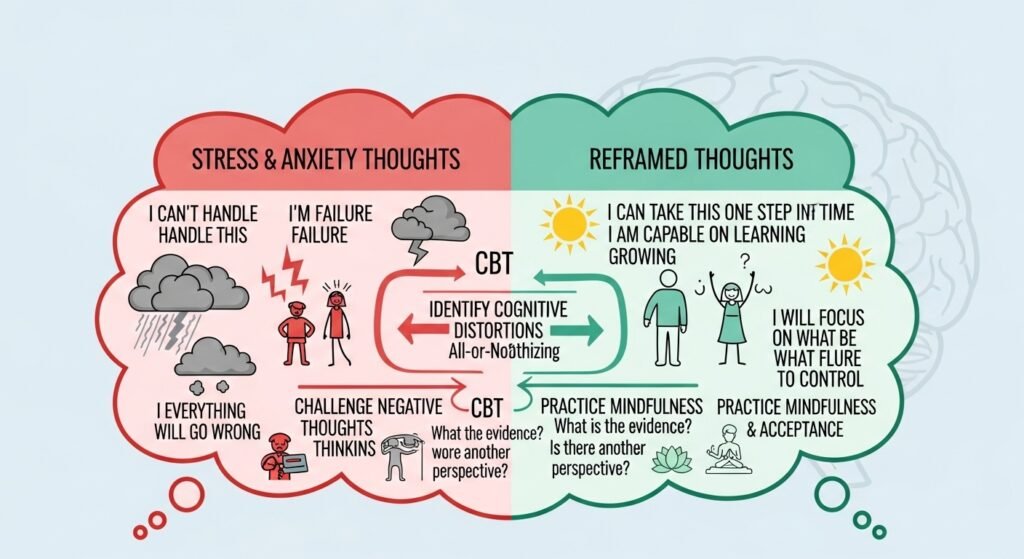
Cognitive Behavioral Strategies to Reframe Thoughts in Stress & Anxiety Management
Cognitive Behavioral Therapy (CBT) strategies address unhelpful thought patterns that fuel stress and anxiety.
Techniques like cognitive restructuring encourage identifying negative or distorted thoughts and replacing them with balanced, realistic alternatives.
CBT increases awareness of triggers and teaches coping skills that diminish anxiety intensity.
Mindful cognitive reframing supports emotional regulation and reduces avoidance behavioral patterns.
CBT Techniques for Stress & Anxiety
- Thought journaling to track negative thoughts
- Challenging cognitive distortions (catastrophizing, black-or-white thinking)
- Developing positive counter-statements
- Behavioral experiments to test fears
- Exposure techniques to reduce avoidance
- Activity scheduling to increase engagement
- Relaxation exercises integrated with CBT
- Seeking professional guidance when needed
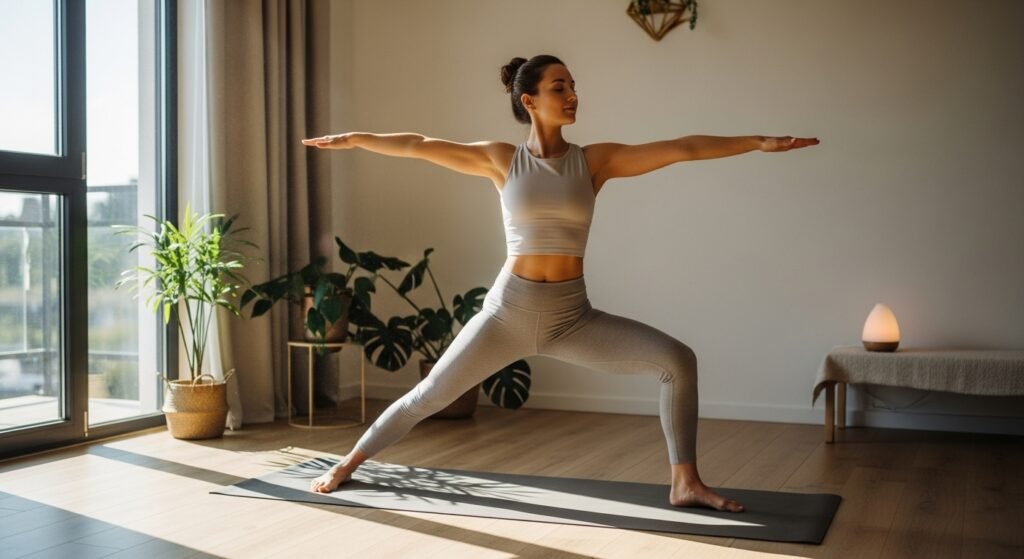
Exercise and Movement to Release Stress in Anxiety Management
Physical exercise stimulates endorphin release, reduces stress hormones, and improves mood and sleep—key factors in stress and anxiety management.
Movement also serves as an outlet for physical tension and worry, promoting relaxation and cognitive diversion.
Activities from walking and yoga to more intensive cardio enhance resilience to stress.
Regular exercise supports brain plasticity and emotional well-being.
How to Use Exercise for Stress Relief
- Aim for 30 minutes moderate exercise most days
- Practice yoga or stretching for mind-body balance
- Walk outdoors to combine movement with nature benefits
- Use dance or free movement for emotional release
- Include strength training to boost confidence
- Try breath-focused exercise like Tai Chi or Qigong
- Schedule consistent workout times for routine
- Listen to your body to avoid overexertion

Journaling for Emotional Processing and Clarity in Stress & Anxiety Management
Journaling offers a structured way to process emotions, reduce rumination, and gain clarity on stressors.
Expressive writing helps externalize anxious thoughts, decreasing internal pressure.
Journaling can track triggers and patterns, enabling problem-solving and emotional release.
Reflection nurtures insight and self-compassion, supporting healthier coping.
Combining gratitude journaling balances perspective by highlighting positive aspects.
Tips for Effective Journaling
- Write freely without self-censorship
- Use prompts like “What am I feeling and why?”
- Note triggers and responses
- Combine with gratitude practice
- Journal daily or several times weekly
- Review entries for patterns
- Include affirmations or positive reflections
- Pair journaling with relaxation exercises
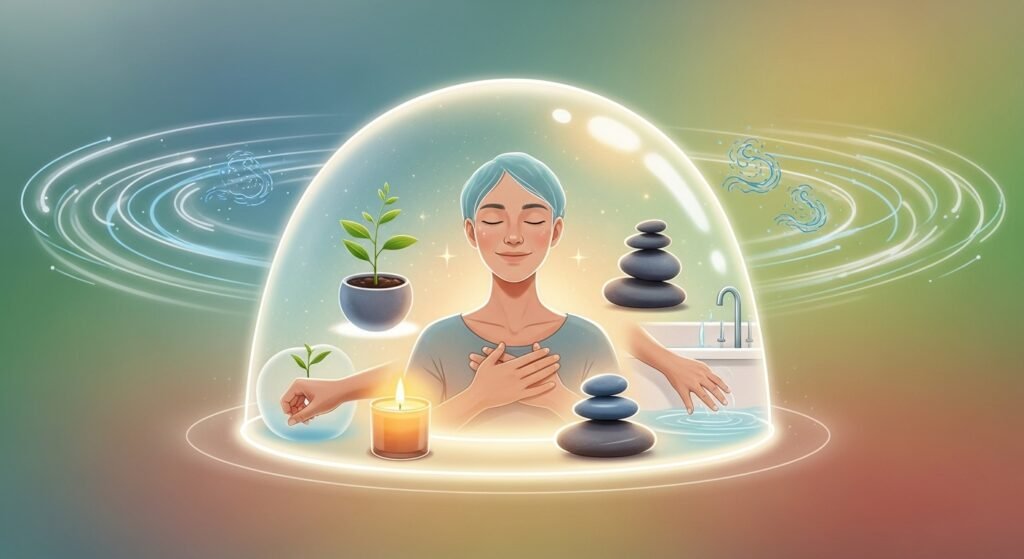
Establishing Healthy Boundaries and Self-Care Routines for Stress & Anxiety Management
Setting healthy boundaries protects energy, reduces overwhelming demands, and fosters self-respect—crucial for managing stress and anxiety.
Self-care routines, from adequate sleep and nutrition to mindful downtime, replenish resilience.
Intentional boundaries include saying no, limiting toxic influences, and creating restorative environments.
Prioritizing self-care enhances emotional regulation and clarity.
Healthy Boundaries & Self-Care Practices
- Define personal limits clearly
- Communicate boundaries assertively
- Schedule regular relaxation and hobbies
- Maintain balanced nutrition and hydration
- Prioritize consistent sleep patterns
- Reduce exposure to negative people or media
- Practice mindfulness or meditation
- Seek social and professional support when needed
Detailed Table: Comparison of Stress & Anxiety Management Techniques
| Technique | Primary Focus | Benefits | Time Needed | Tools/Resources | Ideal Frequency | Accessibility | Effectiveness Level |
|---|---|---|---|---|---|---|---|
| Mindfulness Meditation | Mental calm | Reduces rumination, improves resilience | 5-30 mins daily | Apps, quiet space | Daily | Highly accessible | Very High |
| Progressive Muscle Relaxation | Physical relaxation | Lowers tension, heart rate, blood pressure | 10-20 mins | Guided scripts, audio | Daily/when stressed | Highly accessible | High |
| Breathwork | Nervous system recalibration | Reduces panic, enhances focus | 5-15 mins | Videos, apps | Multiple times daily | Highly accessible | Very High |
| Cognitive Behavioral Strategies | Thought restructuring | Diminishes anxiety triggers, coping skills | Variable | Worksheets, professionals | Weekly/daily | Accessible | High |
| Exercise & Movement | Physical wellbeing | Boosts endorphins, mood, sleep | 30 mins+ | Gym, outdoors, yoga mats | Most days | Highly accessible | Very High |
| Journaling | Emotional expression | Clarifies thoughts, decreases pressure | 10-20 mins | Journal, prompts | Daily/regular | Highly accessible | Moderate to High |
| Boundaries & Self-Care Routines | Energy management | Sustains resilience, self-respect | Ongoing | Scheduling tools | Regular | Highly accessible | High |
Inspirational Quotes on Stress & Anxiety Management
- “You can’t stop the waves, but you can learn to surf.” — Jon Kabat-Zinn
- “Almost everything will work again if you unplug it for a few minutes, including you.” — Anne Lamott
- “Inhale the future, exhale the past.” — Unknown
- “Our anxiety does not come from thinking about the future, but from wanting to control it.” — Kahlil Gibran
- “Self-care is how you take your power back.” — Lalah Delia
- “The greatest weapon against stress is our ability to choose one thought over another.” — William James
- “Rest and self-care are so important. When you take time to replenish your spirit, it allows you to serve others from the overflow.” — Unknown
- “Calm mind brings inner strength and self-confidence.” — Dalai Lama
Frequently Asked Questions on Stress & Anxiety Management
- What is the most effective immediate relief for anxiety?
Deep breathing exercises and mindfulness meditation provide quick calming effects. - How often should I practice stress management techniques?
Daily consistency enhances effectiveness, but incorporating techniques as needed is beneficial. - Can exercise really reduce anxiety?
Yes, regular physical activity boosts mood and lowers stress hormones. - Is journaling good for managing anxiety?
Yes, it helps process emotions and reduce internal tension. - What role do mindset habits play in stress management?
Positive mindset habits sustain motivation and resilience during challenges. - How do boundaries help with anxiety?
They protect your mental energy from overwhelm and reduce stress triggers. - Can cognitive reframing change anxiety patterns?
Yes, it reshapes unhelpful thoughts that exacerbate anxiety. - Are apps useful for stress management?
Many apps offer guided meditation, breathwork, and tracking tools effective for support. - How long does it take to see benefits from these techniques?
Some techniques offer immediate relief; sustained practice leads to lasting change over weeks or months. - Should I seek professional help for anxiety?
If symptoms are severe or persistent, professional guidance is crucial alongside self-help methods.
Conclusion
Implementing 7 powerful techniques for stress & anxiety management that truly work enables you to transform overwhelm into calm and resilience.
Mindfulness, muscle relaxation, breathwork, cognitive strategies, physical movement, journaling, and healthy boundaries create a comprehensive toolkit to nurture mind, body, and spirit.
Consistent use of these techniques fosters sustainable balance, emotional clarity, and a renewed sense of control.
Begin integrating them today to reclaim calm, boost well-being, and thrive amidst life’s challenges.
Case Study: How Sarah Mastered Stress & Anxiety Management Through 7 Powerful Techniques
Case Study
Background
Sarah, a 29-year-old marketing executive, faced overwhelming stress and anxiety from work pressures and personal demands. Sleep difficulties, tense muscles, and racing thoughts affected her health and performance. She decided to adopt a holistic approach integrating multiple evidence-based stress and anxiety management techniques for lasting relief.
Step 1: Starting Mindfulness Meditation
Sarah began with a simple 10-minute guided mindfulness meditation each morning to ground herself. This practice helped her observe anxious thoughts without getting overwhelmed, improving focus and calm throughout her day.
Step 2: Implementing Progressive Muscle Relaxation (PMR)
In the evenings, Sarah practiced PMR for 15 minutes, systematically relaxing tense muscles. This aided her physical relaxation, reduced insomnia, and increased overall body awareness.
Step 3: Learning Breathwork
Sarah incorporated diaphragmatic and box breathing exercises during stressful moments, particularly before presentations. These breathwork techniques activated her parasympathetic nervous system, dramatically lowering panic and increasing composure.
Step 4: Applying Cognitive Behavioral Strategies
She started journaling to capture and reframe negative thoughts, using CBT worksheets from a therapist’s recommendation. Challenging cognitive distortions helped Sarah reduce catastrophizing and build healthier thought patterns.
Step 5: Consistent Exercise Routine
Sarah committed to 30-minute daily walks and twice-weekly yoga sessions. Movement released endorphins, improved mood, and served as a positive emotional outlet.
Step 6: Journaling Emotional Responses and Gratitude
Daily journaling included tracking triggers, emotional waves, and practicing gratitude. This enhanced her self-awareness and shifted focus from stress to positive experiences.
Step 7: Setting Boundaries and Prioritizing Self-Care
Sarah learned to clearly communicate boundaries at work and home, carving out time for rest and hobbies. Active self-care helped her protect emotional energy and prevent burnout.
Results
Within six months, Sarah reported significantly reduced anxiety, more restful sleep, and improved work focus. Combining these techniques created resilience, calm, and emotional clarity. She continues these habits for long-term well-being and empowered stress management.
Key Takeaways
- Integrating multiple techniques addresses both mind and body
- Gradual incorporation ensures sustainability
- Mindfulness and breathwork provide immediate calming
- CBT journaling rewires unhelpful thought patterns
- Physical activity supports emotional regulation
- Regular reflection and gratitude cultivate optimism
- Boundaries safeguard mental and emotional resources
Sarah’s journey demonstrates that using 7 powerful techniques for stress & anxiety management that truly work creates a well-rounded, effective path to reclaiming balance and thriving in daily life.