Discover the 7 types of awakening that transform human consciousness. Learn how consciousness evolves through spiritual stages, from initial awareness to transcendent states. Complete guide with stages, symptoms, and integration practices.
Table of Contents
- What Are the Types of Awakening?
- The 7 Types of Consciousness Awakening
- Spiritual Awakening vs Consciousness Evolution
- Detailed Comparison Table of Awakening Types
- Signs and Symptoms of Each Awakening Type
- Integration Practices for Different Awakening Types
- Common Challenges During Consciousness Evolution
- 10 Frequently Asked Questions About Awakening Types
- Key Takeaways and Conclusion

What Are the Types of Awakening?
Understanding the types of awakening is essential for navigating consciousness evolution.
Consciousness awakening represents the fundamental transformation of human awareness from limited perception to expanded states of being.
These awakening types encompass distinct pathways through which individuals experience spiritual growth, self-realization, and transcendent awareness.
Each type of awakening carries unique characteristics, challenges, and integration requirements that shape the evolutionary journey toward higher consciousness.
- Consciousness awakening involves systematic expansion of awareness beyond ordinary perception and ego identification patterns.
- Different awakening types activate specific neural pathways and energetic systems within the human body-mind complex.
- The evolution of consciousness follows predictable stages that can be identified, understood, and consciously navigated.
- Each awakening type requires specific practices, support systems, and integration approaches for optimal development.
The 7 Types of Consciousness Awakening
1. Spiritual Awakening: The Divine Recognition Process
Spiritual awakening represents the initial recognition of divine presence beyond material existence and ego identification.
This consciousness evolution type manifests through profound shifts in perception, where individuals begin questioning fundamental assumptions about reality, identity, and purpose.
The spiritual awakening process typically begins with existential questioning, followed by increasing awareness of interconnectedness and sacred presence in everyday experiences.
- Divine recognition emerges through sudden or gradual realization of transcendent reality beyond physical existence and material concerns.
- Consciousness expansion during spiritual awakening involves heightened intuition, synchronicity awareness, and direct experience of sacred presence.
- Integration challenges include reconciling new spiritual insights with existing belief systems, relationships, and lifestyle patterns.
- Support practices involve meditation, contemplative prayer, nature connection, and engagement with spiritual teachings or communities.
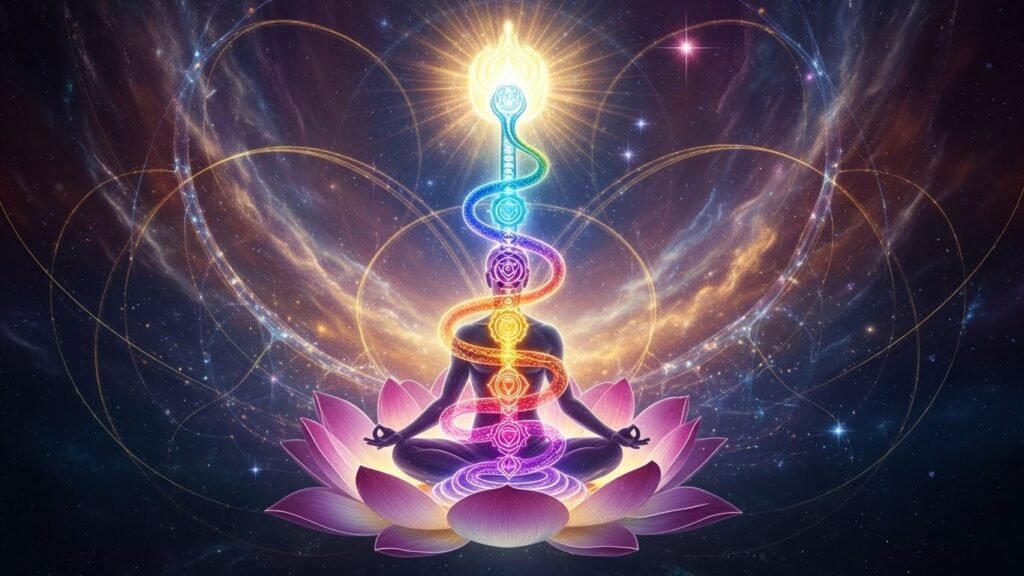
2. Kundalini Awakening: The Energy Transformation Journey
Kundalini awakening involves the activation and ascent of primal life force energy through the subtle body’s energy centers.
This powerful consciousness evolution process triggers profound physical, emotional, and spiritual transformations as dormant spiritual energy rises from the base of the spine to the crown chakra.
Kundalini awakening represents one of the most intense types of awakening, requiring careful preparation and integration support.
- Energy activation begins with spontaneous or deliberate awakening of dormant kundalini shakti at the base of the spine.
- Physical manifestations include heat sensations, spontaneous movements, altered breathing patterns, and temporary discomfort during energy clearing.
- Psychological processing involves intense emotional release, ego dissolution experiences, and temporary disorientation during consciousness expansion.
- Safety protocols require grounding practices, experienced guidance, gradual energy integration, and avoidance of forced activation techniques.

3. Dark Night of the Soul: The Ego Death Experience
The dark night of the soul represents a profound consciousness evolution phase characterized by complete ego dissolution and existential crisis.
This awakening type involves the systematic deconstruction of false identity structures, attachments, and illusions about self and reality.
During this process, individuals experience intense psychological and spiritual purification as consciousness prepares for rebirth into higher awareness states.
- Ego dissolution creates temporary loss of familiar identity structures, causing confusion, fear, and existential questioning about meaning and purpose.
- Spiritual purification occurs through confrontation with shadow aspects, unconscious patterns, and deeply held beliefs that no longer serve evolution.
- Transformation crisis requires surrender to the death-rebirth cycle, trusting in the process despite apparent meaninglessness or despair.
- Integration support involves patient witnessing, spiritual guidance, therapeutic assistance, and maintaining basic self-care during the transition period.
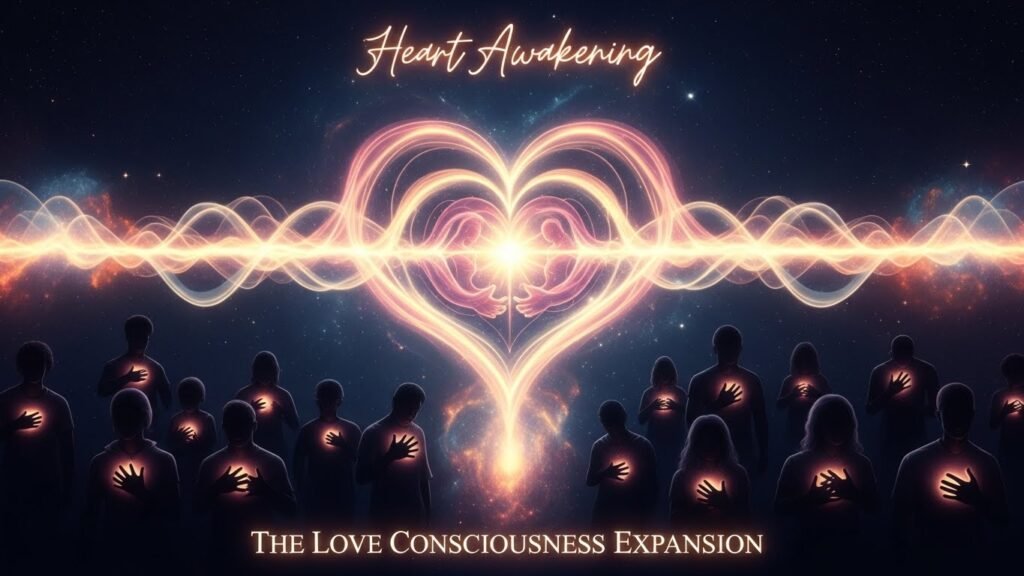
4. Heart Awakening: The Love Consciousness Expansion
Heart awakening represents the opening and activation of heart-centered consciousness, characterized by unconditional love, compassion, and emotional healing.
This consciousness evolution type transforms relationships, self-perception, and interaction with the world through expanded capacity for love, empathy, and authentic connection.
Heart awakening typically follows initial spiritual opening and prepares consciousness for deeper unity experiences.
- Love consciousness expands beyond personal attachments to encompass universal compassion, forgiveness, and acceptance of all beings and experiences.
- Emotional healing occurs through release of past wounds, heart chakra activation, and integration of shadow aspects related to love and relationships.
- Relationship transformation involves shifting from ego-based interactions to heart-centered connections based on authenticity, vulnerability, and mutual support.
- Service orientation emerges naturally as heart awakening deepens, inspiring contribution to others’ wellbeing and collective consciousness evolution.

5. Unity Consciousness: The Oneness Realization
Unity consciousness represents the direct experience of fundamental interconnectedness between all beings, phenomena, and existence itself.
This advanced awakening type transcends duality perception, revealing the underlying unity of apparent opposites and separation.
Unity consciousness awakening marks a significant milestone in consciousness evolution, fundamentally altering how individuals relate to self, others, and the cosmos.
- Oneness realization dissolves subject-object duality, revealing consciousness as the fundamental substrate underlying all apparent separation and multiplicity.
- Perceptual transformation shifts from seeing separate entities to experiencing interconnected web of relationships within unified field awareness.
- Identity expansion moves beyond individual self-concept to include identification with larger wholes – humanity, life, cosmos, and ultimate reality.
- Compassionate action flows naturally from unity awareness, as harming others is recognized as harming oneself within the interconnected web of existence.
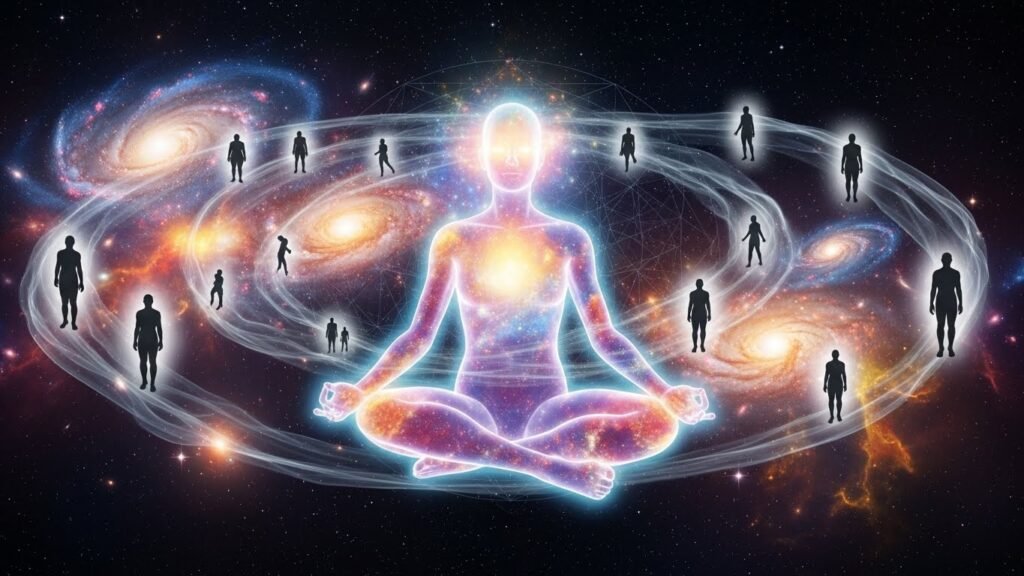
6. Transcendent Awakening: Beyond Human Identification
Transcendent awakening involves consciousness evolution beyond human identification into identification with pure awareness, emptiness, or divine essence.
This profound awakening type represents the culmination of spiritual development, where consciousness recognizes itself as the fundamental reality underlying all phenomena.
Transcendent awakening typically follows extensive preparation through other awakening types and practices.
- Pure awareness recognition occurs when consciousness identifies with the witnessing presence rather than thoughts, emotions, or personal identity structures.
- Emptiness realization reveals the void-nature of all phenomena, transcending form-based identification while maintaining clear awareness and presence.
- Divine essence recognition involves direct experience of ultimate reality, God-consciousness, or absolute truth beyond all relative concepts and experiences.
- Integration challenges include maintaining transcendent awareness while functioning in ordinary reality and communicating ineffable experiences to others.
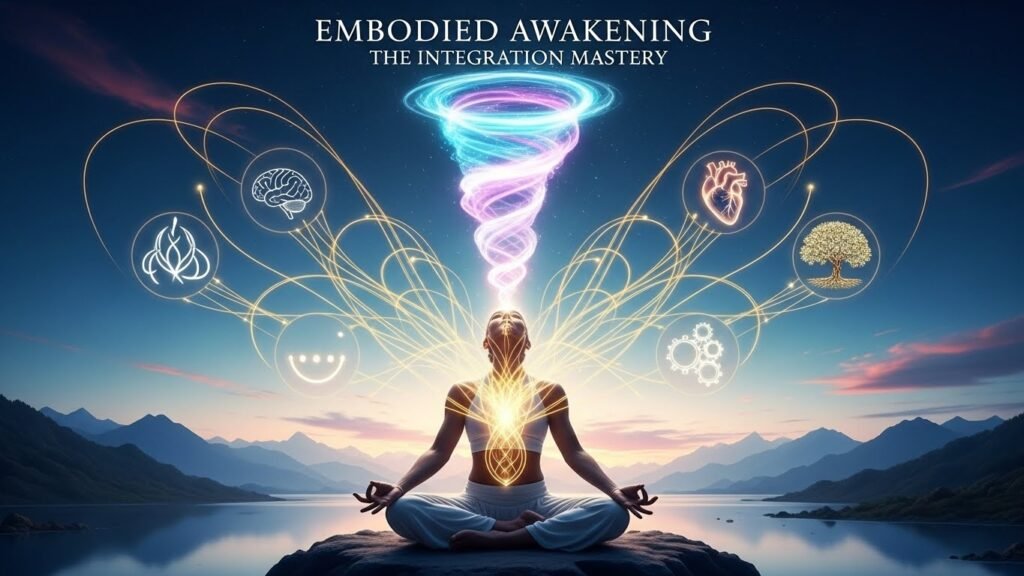
7. Embodied Awakening: The Integration Mastery
Embodied awakening represents the complete integration of transcendent awareness within physical form and daily life activities.
This final awakening type involves stabilizing higher consciousness states while maintaining full engagement with worldly responsibilities, relationships, and creative expression.
Embodied awakening demonstrates the ultimate expression of consciousness evolution – spiritual realization fully integrated with human existence.
- Physical integration involves anchoring transcendent awareness within cellular structure, nervous system function, and biological processes.
- Daily life application requires maintaining awakened consciousness during routine activities, work responsibilities, and interpersonal relationships.
- Creative expression flows from integrated awareness, inspiring authentic contribution to others and manifestation of higher principles in tangible forms.
- Service embodiment naturally manifests as enlightened activity benefiting collective consciousness evolution and planetary transformation processes.

Spiritual Awakening vs Consciousness Evolution
Understanding the distinction between spiritual awakening and consciousness evolution provides clarity for navigating transformative experiences.
Spiritual awakening typically refers to specific breakthrough experiences or realizations, while consciousness evolution encompasses the ongoing developmental process of expanding awareness capacity.
Both processes work synergistically to facilitate human transformation and self-realization.
- Spiritual awakening represents discrete breakthrough moments that shift perception and understanding of reality, self, and existence.
- Consciousness evolution involves continuous development of awareness capacity, wisdom integration, and stabilization of higher states.
- Integration requirements differ between sudden awakening experiences and gradual evolutionary development processes.
- Complementary relationship exists where awakenings accelerate evolution, while evolutionary preparation creates conditions for awakening experiences.
Detailed Comparison Table of Awakening Types
| Awakening Type | Primary Focus | Key Characteristics | Duration | Integration Needs | Support Practices |
|---|---|---|---|---|---|
| Spiritual Awakening | Divine recognition | Questioning reality, sacred awareness | Weeks to months | Belief restructuring | Meditation, prayer, study |
| Kundalini Awakening | Energy transformation | Physical sensations, energy movement | Months to years | Grounding, energy work | Yoga, breathwork, nature |
| Dark Night of Soul | Ego dissolution | Existential crisis, identity loss | Months to years | Patience, surrender | Therapy, spiritual guidance |
| Heart Awakening | Love consciousness | Emotional healing, compassion | Ongoing gradual | Relationship work | Service, forgiveness, love |
| Unity Consciousness | Oneness realization | Interconnectedness awareness | Permanent shift | Lifestyle alignment | Contemplation, service |
| Transcendent Awakening | Beyond identification | Pure awareness, emptiness | Instant recognition | Stabilization support | Meditation, inquiry |
| Embodied Awakening | Integration mastery | Daily life application | Lifetime process | Practical application | Mindful living, creative expression |
Signs and Symptoms of Each Awakening Type
Physical Manifestations Across Awakening Types
Physical symptoms serve as important indicators of consciousness evolution processes, varying significantly across different awakening types. These bodily experiences reflect the profound transformation occurring within the nervous system, energy centers, and cellular structure as consciousness expands beyond ordinary limitations.
- Energy sensations manifest as heat, tingling, vibration, or electrical feelings throughout the body, particularly along the spine and in energy centers.
- Sleep pattern changes include altered need for sleep, vivid dreams, lucid dreaming experiences, and temporary insomnia during intense transformation phases.
- Appetite modifications involve changes in food preferences, decreased need for quantity, increased sensitivity to food quality, and occasional fasting impulses.
- Physical discomfort may occur as the body adjusts to higher frequency energies, including headaches, muscle tension, and temporary digestive changes.
Psychological Indicators During Consciousness Evolution
Psychological symptoms provide crucial feedback about awakening processes, helping individuals understand and navigate transformation experiences. These mental and emotional changes reflect the deep restructuring of consciousness as it evolves toward higher awareness states.
- Identity questioning involves fundamental examination of self-concept, life purpose, values, and previously held beliefs about reality and existence.
- Emotional intensity increases as suppressed feelings surface for healing and integration, creating temporary mood swings or overwhelming sensations.
- Cognitive changes include altered thinking patterns, increased intuitive knowing, synchronicity awareness, and nonlinear perception development.
- Reality perception shifts as consciousness expands beyond conventional frameworks, revealing deeper patterns and interconnected relationships.
Integration Practices for Different Awakening Types
Grounding Techniques for Energy-Based Awakenings
Energy-based awakening types require specific grounding practices to ensure safe and balanced integration of expanded consciousness states. These techniques help stabilize the nervous system while supporting the body’s adaptation to higher frequency energies.
- Physical grounding involves direct earth connection through barefoot walking, gardening, or spending time in natural settings to discharge excess energy.
- Nutritional support includes consuming root vegetables, mineral-rich foods, and adequate protein to support physical body during transformation.
- Movement practices like yoga, tai chi, or gentle exercise help distribute energy throughout the body while maintaining system balance.
- Structure creation involves establishing daily routines, practical responsibilities, and physical organization to anchor expanded awareness.
Emotional Integration for Heart-Centered Awakenings
Heart-centered awakening types necessitate specialized emotional integration practices that support the opening and expansion of love consciousness. These approaches facilitate healing while preventing overwhelm from increased sensitivity and empathy.
- Boundary development involves learning to distinguish between personal emotions and others’ feelings while maintaining compassionate presence.
- Self-care practices include regular emotional processing, creative expression, and nurturing activities that support heart chakra balance.
- Relationship skills development focuses on authentic communication, vulnerability sharing, and conscious connection with others.
- Service activities provide outlets for expanded love consciousness through meaningful contribution to others’ wellbeing and happiness.
Common Challenges During Consciousness Evolution
Navigating the Integration Process
Integration challenges represent the primary obstacles encountered during consciousness evolution, requiring patience, skillful navigation, and appropriate support systems. These difficulties reflect the natural resistance of established patterns to transformative change.
- Identity dissolution creates temporary confusion about roles, relationships, and life direction as old patterns no longer serve expanded awareness.
- Social isolation may occur as consciousness evolution creates distance from previous relationships and activities that no longer resonate.
- Practical functioning challenges include difficulty maintaining previous work patterns, lifestyle choices, and conventional goal orientation.
- Emotional overwhelm results from increased sensitivity, empathy, and awareness of suffering within self and the collective consciousness.
Avoiding Spiritual Bypassing and Inflation
Spiritual bypassing and inflation represent common pitfalls during awakening processes, requiring honest self-assessment and grounded approach to transformation. These challenges can derail authentic evolution if not recognized and addressed appropriately.
- Bypassing tendencies involve using spiritual concepts to avoid dealing with psychological wounds, practical responsibilities, or emotional processing needs.
- Inflation patterns include developing superiority complexes about spiritual experiences while judging others who haven’t had similar awakenings.
- Escapism behaviors manifest as obsessive focus on spiritual practices while neglecting worldly duties, relationships, or physical wellbeing.
- Magical thinking involves believing that spiritual experiences automatically solve all life challenges without requiring practical action or integration work.
10 Frequently Asked Questions About Awakening Types
1. How long does each type of awakening typically last?
Awakening duration varies significantly based on individual preparation, intensity of experience, and integration capacity. Spiritual awakening may last weeks to months, while kundalini awakening can extend over years. Dark night of the soul experiences typically span months to years, depending on depth of transformation required. Unity consciousness represents a permanent shift, though stabilization may require ongoing practice.
2. Can multiple awakening types occur simultaneously?
Multiple awakening types can indeed overlap and interact, creating complex transformation experiences requiring sophisticated navigation skills. Simultaneous processes may accelerate evolution but also increase integration challenges. Professional guidance becomes essential when experiencing multiple intense awakening types concurrently.
3. What triggers different types of awakening experiences?
Awakening triggers include meditation practice, life crises, spiritual practices, near-death experiences, psychedelic substances, trauma, or spontaneous occurrence without obvious cause. Individual readiness and karmic preparation determine susceptibility to various awakening experiences.
4. How can I prepare for consciousness evolution?
Preparation involves establishing regular spiritual practices, addressing psychological issues, maintaining physical health, studying spiritual teachings, and developing support networks. Grounding practices and emotional intelligence development prove particularly valuable for navigating awakening experiences.
5. Are awakening experiences dangerous or harmful?
Awakening experiences carry potential for both profound benefit and temporary difficulty. Proper preparation, gradual approach, and appropriate support minimize risks. Medical consultation becomes important when physical symptoms cause concern or interfere with daily functioning.
6. How do I know which type of awakening I’m experiencing?
Identifying awakening types requires honest self-assessment, symptom recognition, and often guidance from experienced teachers or practitioners. Primary characteristics, duration, and predominant experiences help distinguish between different awakening types.
7. What role do spiritual teachers play in awakening processes?
Qualified spiritual teachers provide guidance, support, and perspective during awakening experiences. Authentic teachers emphasize self-reliance while offering appropriate techniques and understanding. Discernment becomes crucial in selecting teachers who demonstrate integrity and appropriate boundaries.
8. Can awakening experiences be reversed or stopped?
Awakening processes typically cannot be reversed once initiated, though intensity can be modulated through grounding practices and lifestyle adjustments. Attempting to stop awakening may create additional difficulties and prolong integration challenges.
9. How do awakening types relate to religious traditions?
Awakening experiences occur across all religious traditions and secular contexts, though interpretation frameworks vary significantly. Core experiences remain similar while cultural and theological contexts provide different explanatory models.
10. What indicates successful integration of awakening experiences?
Successful integration manifests as increased presence, compassion, wisdom, and authentic living. Practical indicators include improved relationships, meaningful contribution, emotional balance, and ability to maintain expanded awareness during daily activities.
Key Takeaways and Conclusion
Understanding the types of awakening provides essential guidance for navigating consciousness evolution journeys. Each awakening type offers unique opportunities for growth while presenting specific challenges requiring appropriate support and integration practices. The seven types of awakening – spiritual, kundalini, dark night of the soul, heart, unity consciousness, transcendent, and embodied – represent distinct yet interconnected pathways toward expanded awareness.
The evolution of consciousness through these awakening types reflects humanity’s collective movement toward higher states of being. As individuals navigate their personal awakening journeys, they contribute to planetary consciousness evolution and the emergence of more enlightened ways of living. Success in awakening processes depends on proper preparation, patient integration, and maintaining balance between transcendence and practical application.
Remember that consciousness awakening represents a natural evolutionary process available to all beings. While awakening experiences may seem extraordinary or challenging, they ultimately serve humanity’s growth toward greater wisdom, compassion, and unity. By understanding these seven types of awakening, seekers can navigate their transformation with greater confidence, skill, and benefit for themselves and all beings.
The journey of consciousness evolution continues beyond individual awakening experiences, extending into collective transformation and planetary healing. Each person’s awakening contributes to the larger tapestry of human evolution, creating ripples of positive change that benefit all life. Embrace your awakening process with patience, wisdom, and dedication to serving the highest good.